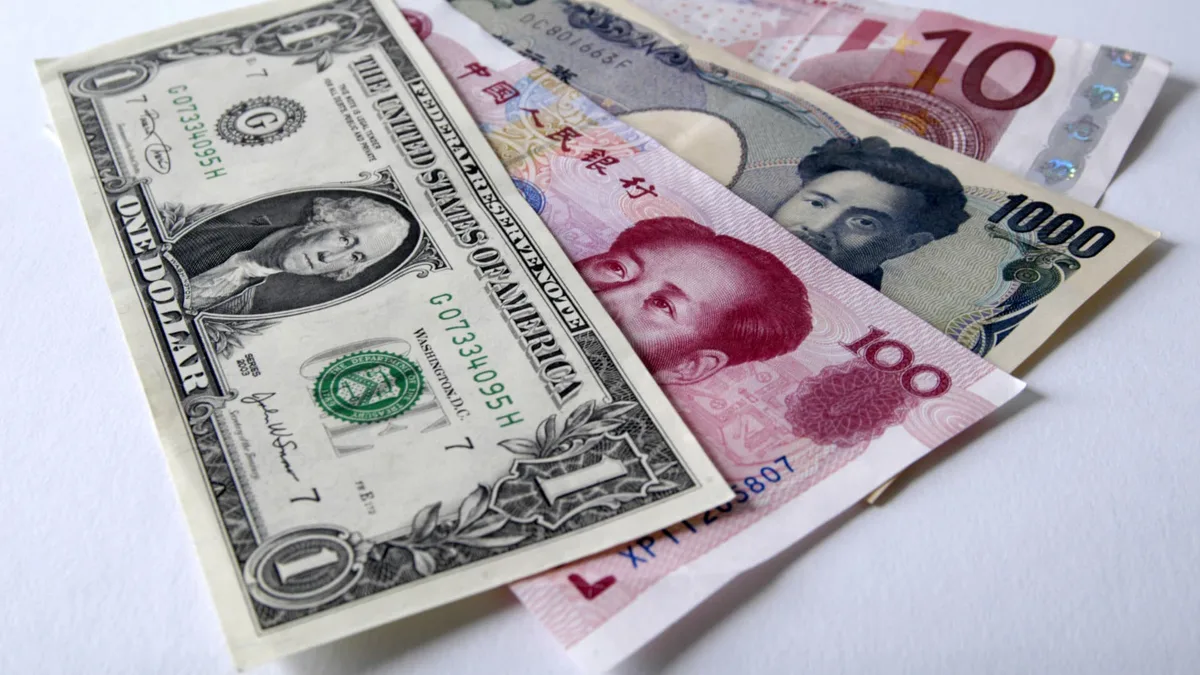
The United States and Japan intervened jointly last week to boost the Japanese yen's value amid volatile currency movements [1, 2, 3]. The coordinated effort aimed to counter disorderly yen fluctuations and reduce financial stability risks caused by the yen’s recent weakness [3].
The intervention involved the US Treasury lending dollars to Japan with Treasury bonds used as collateral via the FIMA Repo Facility, a mechanism that allows temporary dollar funding without outright selling US debt securities [1, 3]. Japanese Finance Minister Satsuki Katayama and US Treasury Secretary Scott Bessent both confirmed the repo facility's role in the operation, emphasizing the cooperation between the two governments [1, 3].
Rather than selling US Treasury bonds directly, which could disrupt sensitive debt markets especially given recent rises in long-term Treasury yields, the US Treasury reportedly sold euros to fund the yen-buying intervention [2, 3]. This approach helped maintain stability in the US Treasury market while providing Japan with needed dollar liquidity.
US Treasury Secretary Scott Bessent publicly acknowledged the intervention, tweeting a note on August 3 indicating a to-do list item to "Buy Japanese Yen (JPY) $5-10 bil." [3]. He said, "Friday's coordinated foreign exchange actions countered disorderly yen movements. We will not hesitate to participate in further joint intervention." [3].
Former US President Donald Trump described the intervention as "a signal of friendship" between the US and Japan [1].
The scale of the intervention, between $5 billion to $10 billion in yen purchases, reflected the urgency to stabilize the currency without causing market disruptions [3]. The operation took place from August 1 to August 7, with the US and Japan coordinating efforts throughout that period [2, 3].
The next expected turn in this policy track remains contingent on market developments and currency volatility, but US officials have made clear that further joint action is possible if needed [3].