The United States and Thailand are accelerating discussions on a binding long-term liquefied natural gas (LNG) supply agreement between US exporter Venture Global and Thailand's state-controlled PTT PCL, according to multiple sources [1, 2].
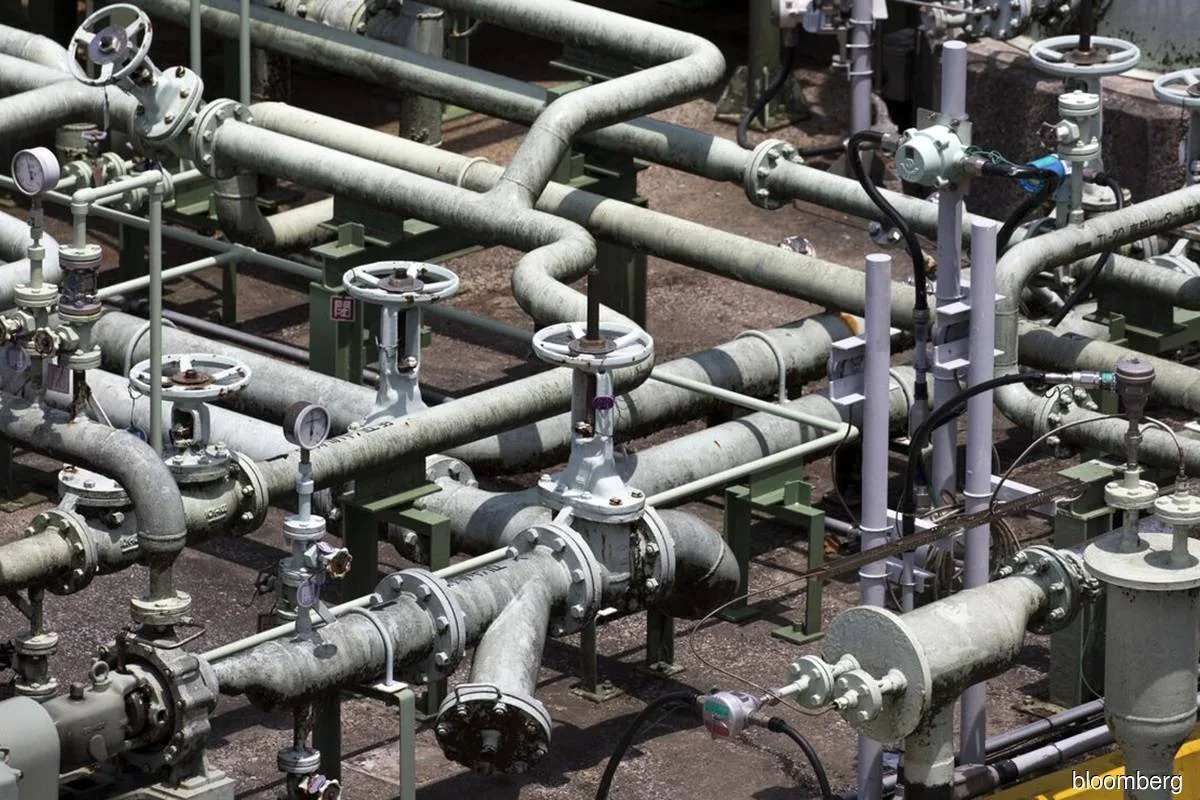
The talks come in response to damage inflicted on Qatar’s LNG export infrastructure following a US-Israeli-led attack on Iran on February 28. Iran retaliated by striking Qatar’s Ras Laffan LNG facilities, destroying roughly 17% of the country’s LNG export capacity, equivalent to 12.8 million metric tons per year [1, 2]. Qatar is the world’s second-largest LNG exporter after the US. Repairs to the damaged infrastructure are estimated to take three to five years [1, 2].
Thailand, Southeast Asia's largest LNG importer, is seeking to diversify its supplies to reduce coal dependency in power generation [1, 2]. In January, French utility Engie signed a 15-year LNG supply contract with Thailand’s Gulf Development PCL for its power plants [1, 2]. Meanwhile, US LNG exporter Cheniere Energy reported increased LNG demand from Asian customers amid the ongoing Middle East conflict, prompting it to speed up completion of two new trains at its Corpus Christi plant in Texas [1, 2].
PTT previously signed a deal in 2022 to procure 2 million metric tons per year of LNG for 20 years from Glenfarne’s Alaska LNG project. This project requires construction of an 800-mile pipeline but has yet to reach a final investment decision [1, 2]. Thailand is also exploring LNG imports from Malaysia [2].
The US and Thailand had earlier agreed in October 2023 to annual US energy product purchases by Thai companies, including LNG, valued at about US$5.4 billion [1, 2].
The accelerated LNG talks between the US and Thailand highlight a near-term effort to address the significant gap caused by disruptions to Qatar’s LNG exports. The next stage will be finalizing contract terms to secure stable supply amid global energy uncertainties [1].