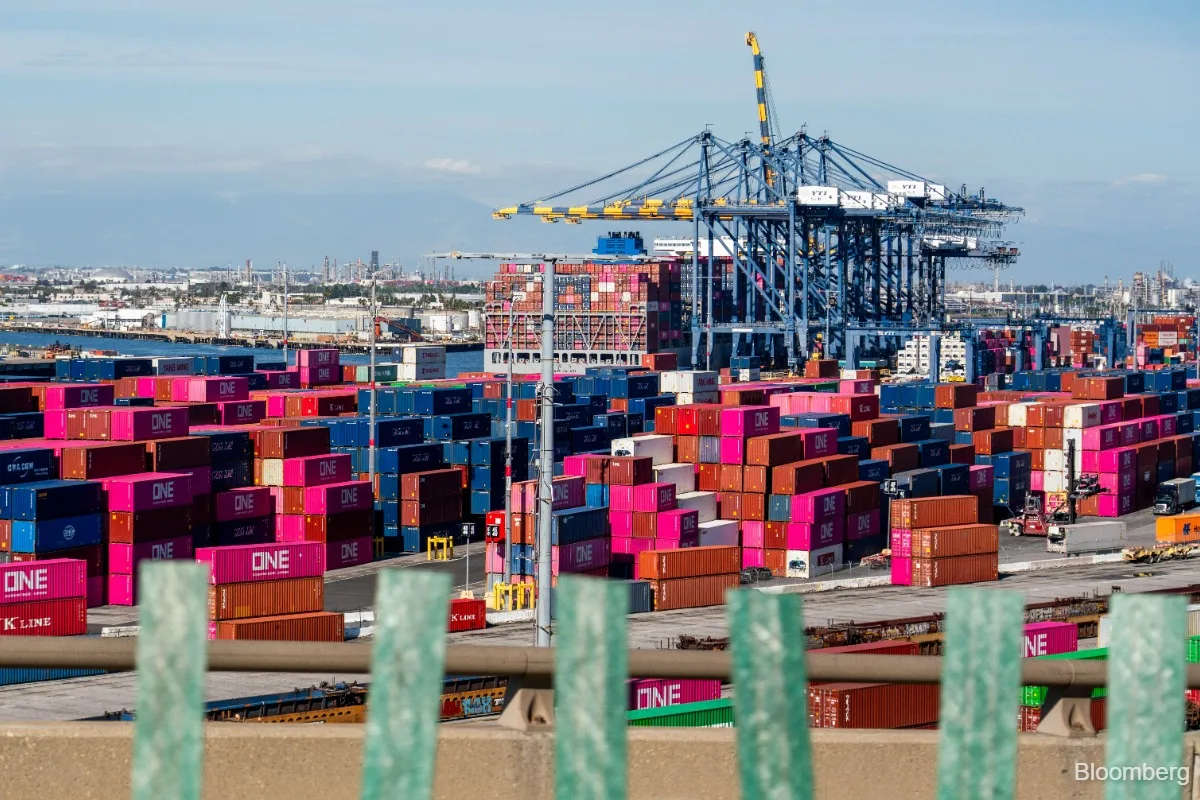
On June 12, 2026, a US federal appeals court allowed the Trump administration to keep enforcing 10% global tariffs imposed under Section 122 of the Trade Act of 1974 while legal challenges proceed [1, 2, 3, 4, 5, 6, 7]. The tariffs, initially imposed in February 2026 after the Supreme Court invalidated earlier tariffs based on the International Emergency Economic Powers Act (IEEPA), target a broad range of imports globally [1, 3, 4, 5, 7].
The legal dispute hinges on the interpretation of "balance-of-payments deficits" cited in Section 122, a provision never before used for imposing tariffs. Courts differ on whether trade deficits fall under the statute's scope. In May 2026, a split US Court of International Trade panel ruled the tariffs invalid and blocked enforcement against some states and small businesses, triggering the current appeals process [1, 2, 3, 5, 6, 7].
The federal appeals court declined to offer its own detailed interpretation of Section 122 but questioned the Trade Court’s narrow definition of balance-of-payments deficits as limited to liquidity or official settlement measures. The court said it is "persuaded by the federal government's argument that the CIT majority's interpretation... may be incorrect" [1].
The appeals court said banning the tariffs pending final rulings would risk "undermining the president's economic agenda, interfering with trade negotiations with foreign governments, and causing irreparable harm" [3]. It found that allowing the tariffs to continue was justified and stated, "Allowing the tariffs to continue for now is warranted under the circumstances" [1].
If the tariffs are ultimately found unlawful, the government plans to refund affected parties or pay interest on duties collected, the court noted [6].
President Trump subsequently raised the tariff rate to 15% and extended the tariffs through July 24, 2026, the maximum 150-day period allowed under Section 122 without Congressional approval [8, 5]. The European Union has criticized the increased rate as damaging to trade agreements and transatlantic relations [8].
Multiple US states and small businesses continue to challenge the tariffs’ legality, arguing the president exceeded his authority and misapplied the statute by equating trade deficits with the balance-of-payments deficit concept [1, 3, 5]. The legal battle is expected to reach the US Supreme Court again [3, 4].
The current tariff period is set to expire on July 24, 2026, unless Congress acts to extend it [4, 5].