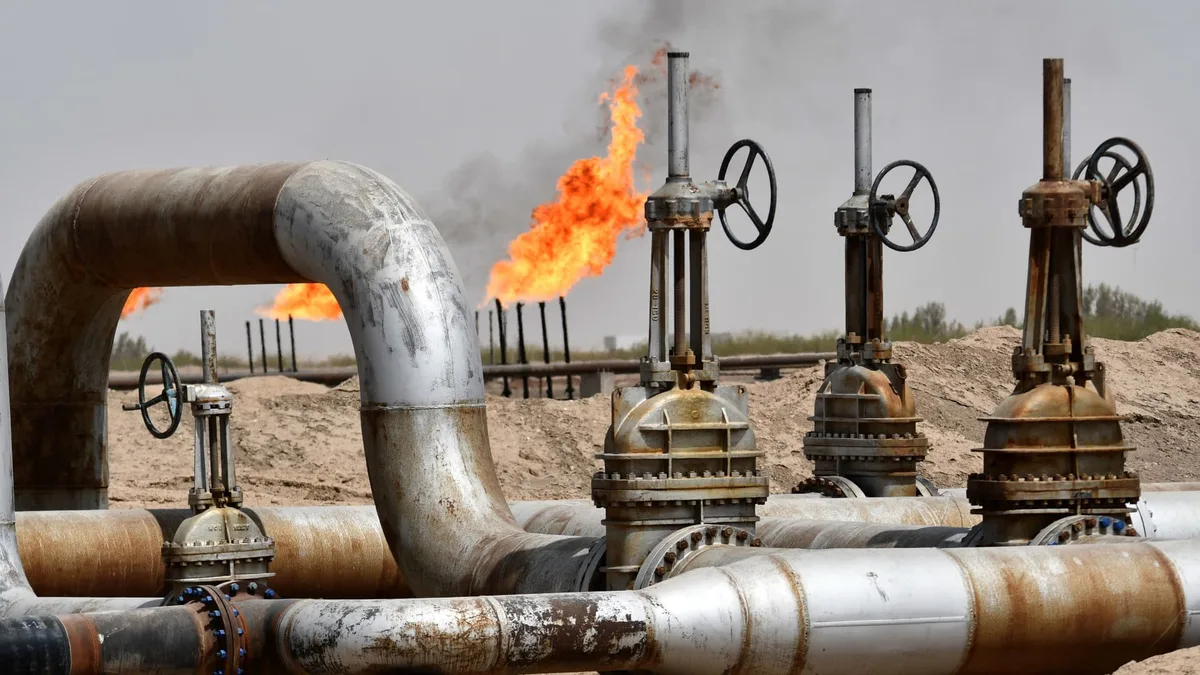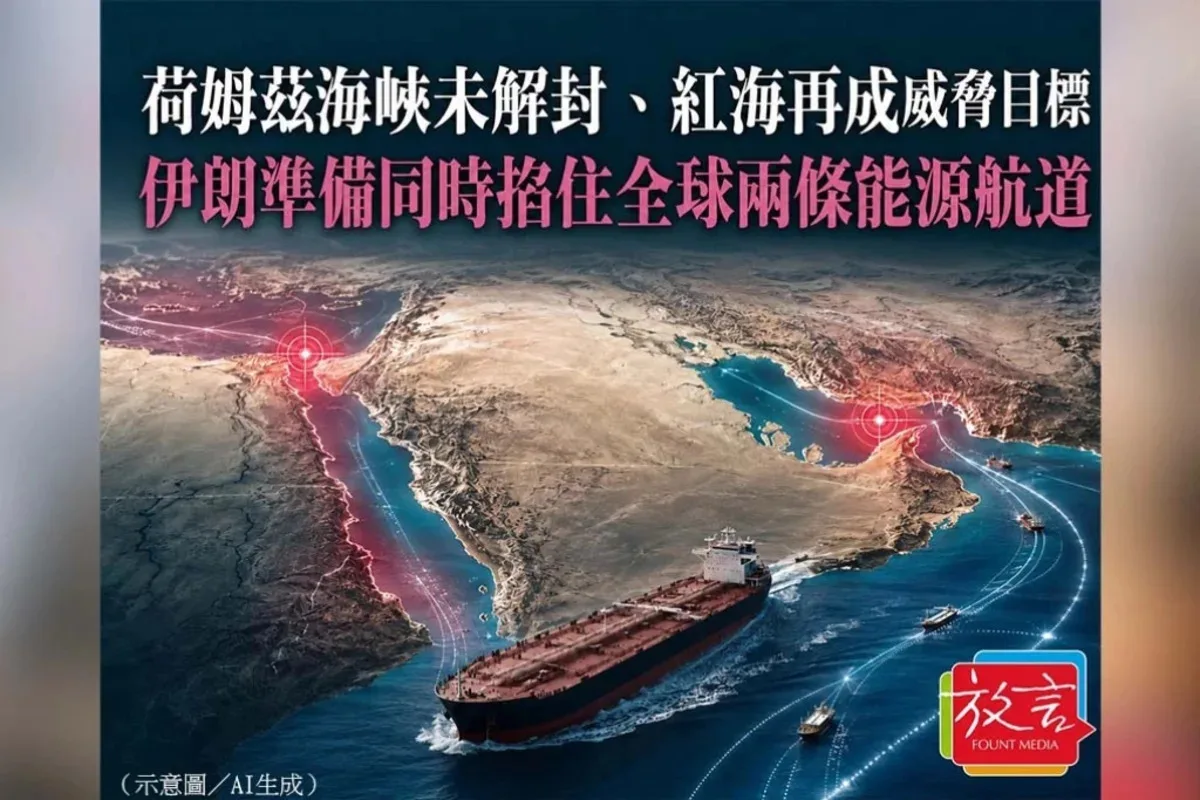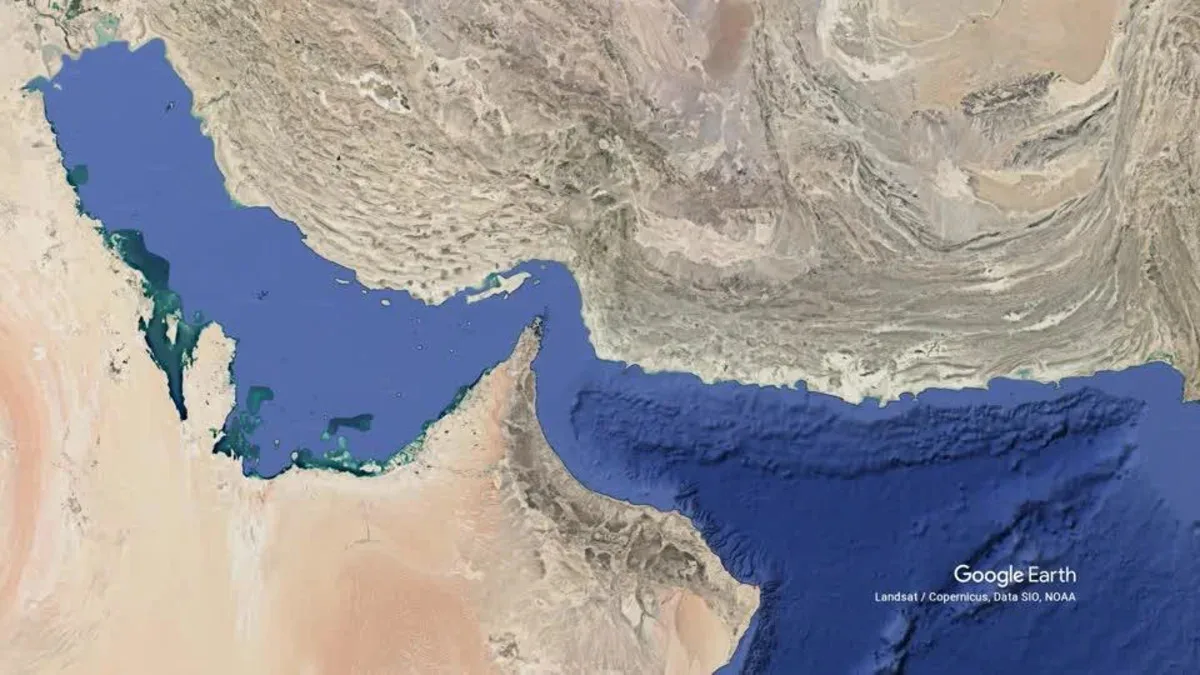
The United States is pushing to reopen the Kirkuk-Baniyas oil pipeline linking Iraq and Syria. The pipeline, about 800 kilometers long, was heavily damaged during the 2003 Iraq war and has been largely inactive since then [1, 2]. Reopening it would allow Iraqi crude to reach Syria’s Mediterranean coast, bypassing the vulnerable Strait of Hormuz shipping lane [1, 2, 3].
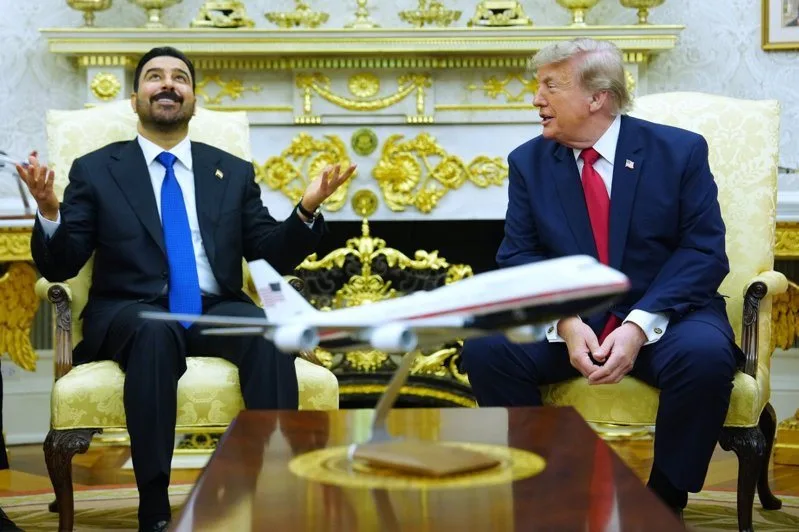
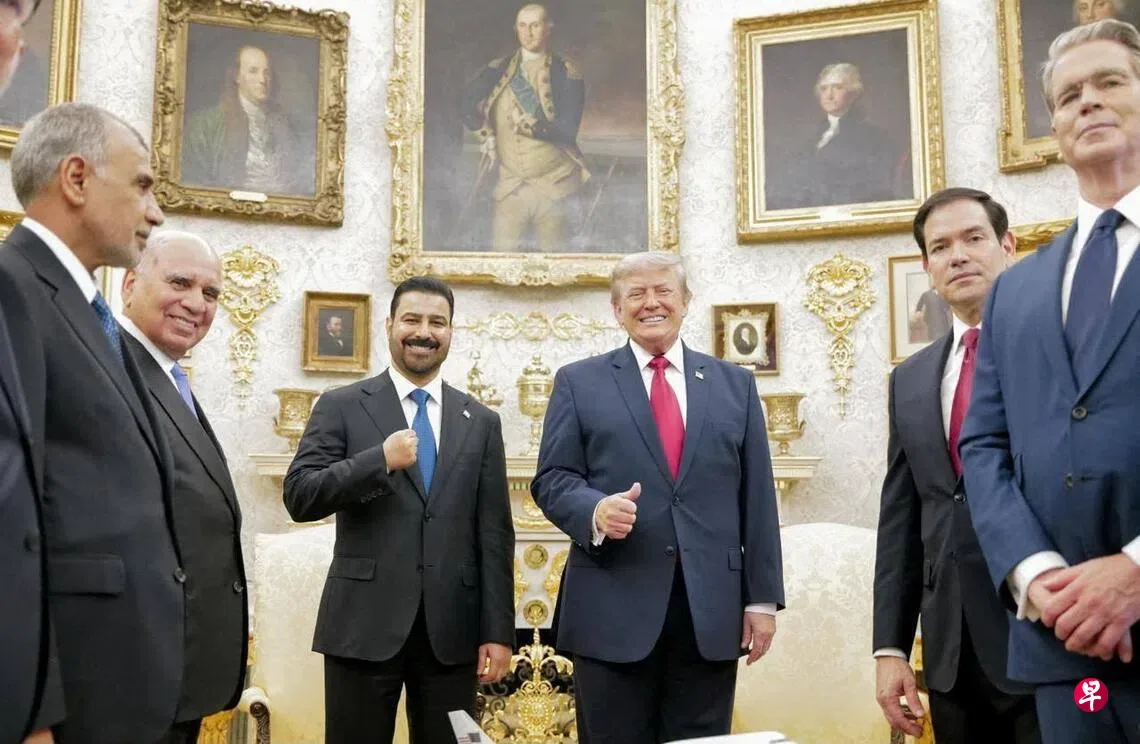
US special envoy Thomas Barrack has met with Iraqi and Syrian officials, as well as energy firms including Chevron, which are expected to help with reconstruction efforts [1, 2, 3]. US President Donald Trump met Iraq’s prime minister on July 14 at the White House to discuss expanded oil cooperation and projects like the Kirkuk-Baniyas pipeline [1, 2]. Trump said, "Iraq has abundant oil reserves and huge potential. Our partnership will shift from military cooperation to investment and energy development. Much oil will be extracted, mainly by US companies." [1]
An alternative pipeline route under consideration would run approximately 700 km from Iraq’s southern Basra region through Haditha to Syria, Turkey, or Jordan. This pipeline could transport around 2.5 million barrels per day [1, 4, 5]. Iraq has already invested about $1.5 billion starting construction on the Basra-Haditha section as of May 2026 [4, 5].
Across the Middle East, oil producers including Saudi Arabia and the UAE are accelerating pipeline and port projects to reduce dependence on the Strait of Hormuz. The Saudi East-West pipeline currently transports 7 million barrels per day and may be expanded by 2 million barrels per day [1, 3, 4]. The UAE is building a new West-East pipeline expected to double land transport capacity to 3.6 million barrels per day by 2027 and plans a deepwater port on the Arabian Sea to bypass Hormuz entirely [4, 5].
If these infrastructure projects proceed as planned, up to 60% of Persian Gulf oil exports — about 7.3 million barrels per day — could avoid the Strait of Hormuz by 2028 [3, 4, 5]. Despite these efforts, 7 to 9 million barrels per day will still need to transit Hormuz, leaving global oil supplies exposed to risks related to the strait [4, 5].
The Kirkuk-Baniyas pipeline route poses security challenges, as it would cross Iraqi Anbar province and eastern Syria, areas where ISIS remnants remain active, creating risks for long-term stability and investment [2]. Jennifer Li, a geopolitical analyst at Rystad Energy, cautioned, "Pipelines are more of a geopolitical hedge against disruptions in Hormuz than a replacement for the strait. Pipelines remain vulnerable to attacks similar to those targeting ships." [3]
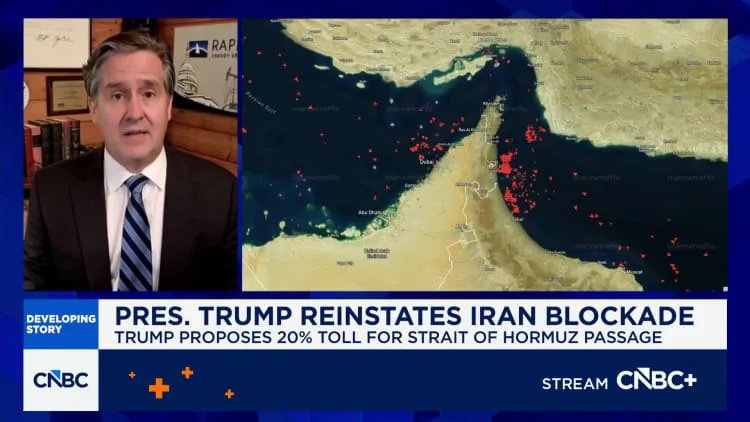
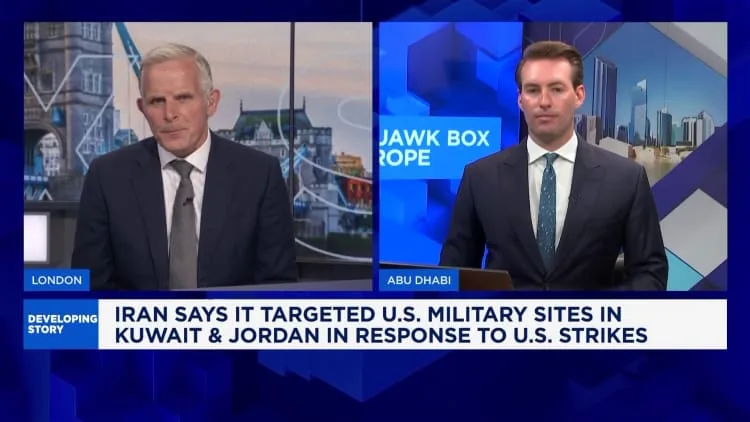
Iran has repeatedly threatened the Strait of Hormuz and increased attacks on commercial shipping, prompting US military responses including airstrikes against Iranian targets near the strait on July 15 and partial maritime blockades [4, 5, 6]. President Trump announced plans to impose a 20% toll on goods passing through the strait to cover US security expenses, a measure that has drawn international criticism [4, 5, 6]. Trump stated, "The US will be called 'The Guardian of The Hormuz Strait' and will charge a 20% toll on all goods passing through for security costs." [4]
The US military airstrikes near the Strait of Hormuz aim to reduce threats to navigation and maintain open sea lanes [6]. The pipeline projects and expanded infrastructure form part of broader strategies to mitigate risks from Iranian hostility in the region.
Construction and expansion efforts continue in the region, with the UAE’s West-East pipeline expected to be completed by 2027, and projections suggesting significant bypass capacity around the Strait of Hormuz by the end of 2028 [4, 5].