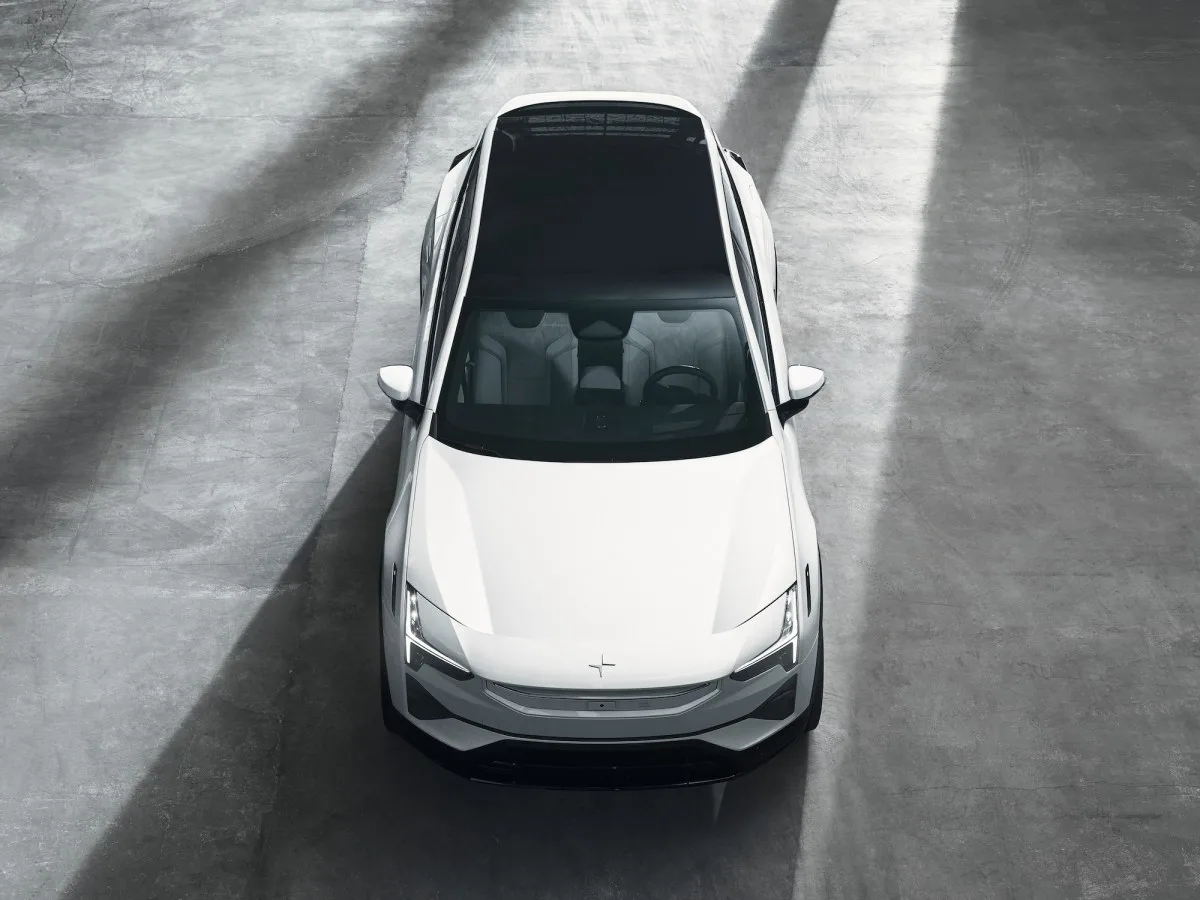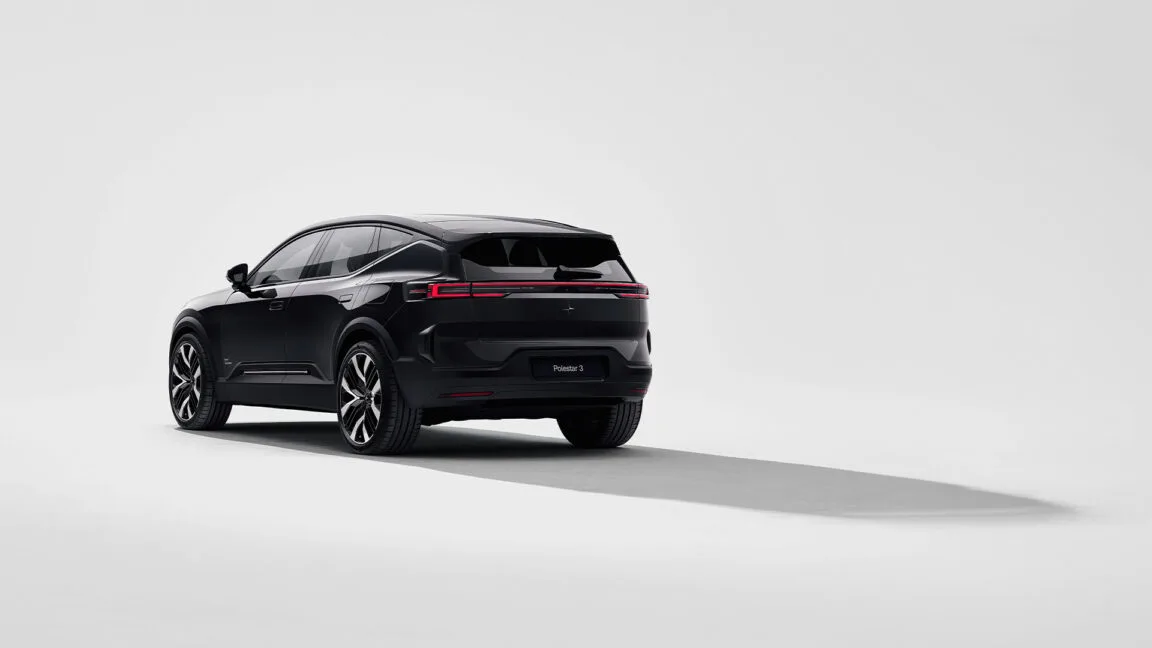
The US Commerce Department refused Polestar authorization to import and sell new electric vehicles (EVs) in the United States starting with model year 2027. This decision, announced June 25, 2026, is based on the Connected Vehicle Rule that restricts sales of vehicles containing Chinese software or hardware over national security risks [1, 2, 3].
Polestar, majority-owned by Chinese Zhejiang Geely Holding, will still be allowed to sell existing inventory of its Polestar 3 and Polestar 4 models in the US and continue supporting current customers [1, 2]. The Polestar 3 SUV is manufactured domestically at Volvo’s South Carolina plant, while Polestar 4 models are imported from South Korea [1, 3].
By contrast, Volvo, also owned by Geely, received authorization to import its 2027 model year vehicles under the same Connected Vehicle Rule [1, 2, 3]. Polestar’s production shift in 2024 to the US for the Polestar 3 SUV was intended to avoid Chinese EV tariffs but was not enough to secure approval for future models [3].
Polestar’s sales are increasingly centered outside the US, with 94% of its retail volume in the first quarter of 2026 coming from Europe, Southeast Asia, Eastern Europe, Latin America, and Canada [1, 2]. Polestar CEO Michael Lohscheller said, "The automotive industry is entering a new phase, based on regional dynamics. Our strategy reflects that, with Europe being our largest growth engine and our plan to manufacture Polestar 7 in Europe" [1].
The next concrete step involves Polestar continuing to focus sales and growth efforts outside the US market while managing existing vehicle stock and customer service domestically [1, 2]. The policy effectively bars Polestar from entering the US market with new models starting in the 2027 vehicle model year.