The US Consumer Price Index (CPI) rose by 0.1% in July 2026 after declining 0.4% in June, marking a slight increase following six years of stability or decrease [1, 2, 3, 4, 5]. The annual inflation rate slowed modestly to 3.4% in July from 3.5% in June [1, 2, 3, 4, 6, 7, 5]. Core CPI, excluding food and energy, increased 0.2% for the month and was 2.5% higher than a year ago, indicating steady underlying inflation pressures [1, 2, 3, 4, 6, 7, 5].
Energy prices showed a sharp year-over-year rise, with gasoline up 24.6% and fuel oil surging 39.1%, resulting in an overall 14.7% annual increase in the energy index [2, 4, 7, 5]. However, energy prices fell 1.5% monthly in July, following a 5.7% drop in June [3, 4, 5]. Shelter costs, a major component of the CPI, rose 0.1% in July and made up about two-thirds of the monthly headline increase [3, 5]. Food prices climbed 3% year-over-year with disparities among categories—meat prices rose 1.9%, dairy declined 0.5%, and some produce was affected by outbreaks [4].
US producer prices remained flat in July, with goods prices down 0.7% and services costs up 0.2%, suggesting moderate price pressures at the wholesale level [8].
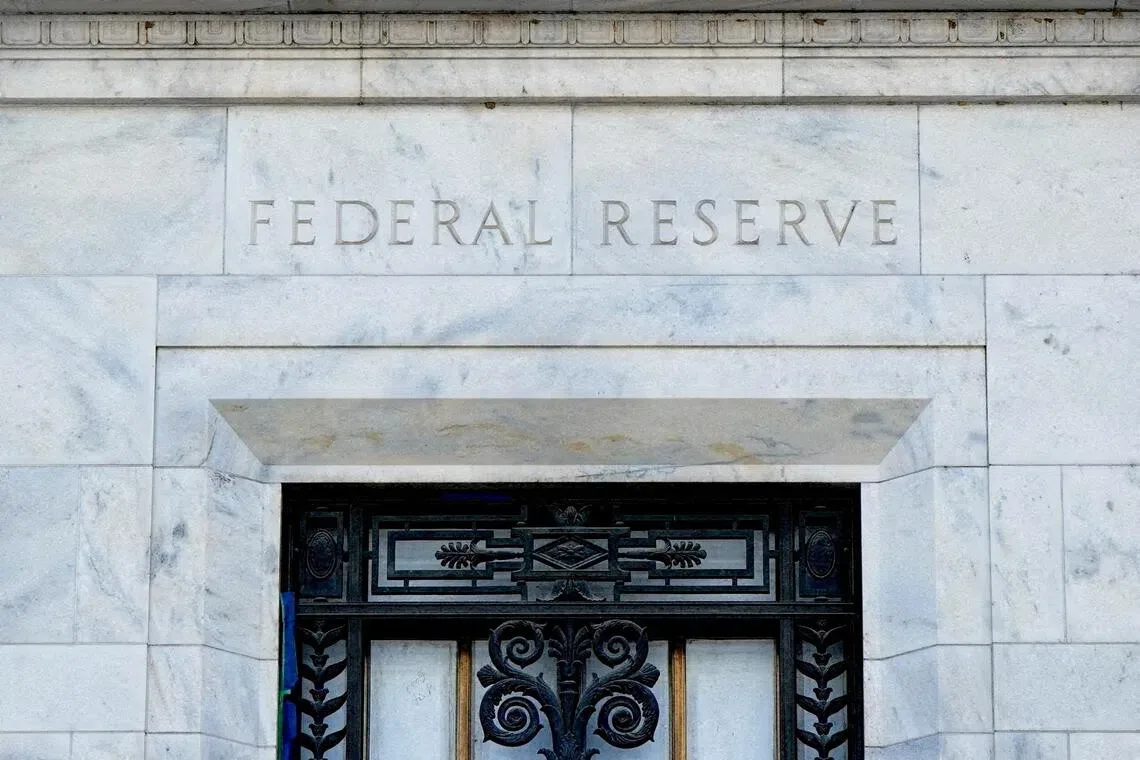
The Federal Reserve kept its benchmark overnight interest rate steady in July at a range of 3.50% to 3.75% [1, 8]. The July employment report showed surprise job losses, weakening the case for an immediate rate hike [1, 6, 7]. Following the CPI release and weak jobs data, futures markets cut the probability of a Federal Reserve rate increase at the September 15–16 meeting to around 40% [1, 3, 6, 5]. Analysts expect the Fed to pause interest rate hikes through at least September, with possible extensions until the end of 2026 given moderated inflation and weaker employment [6, 7].
Moody’s Chief Economist Mark Zandi described the July inflation report as "a very benign report, right down the strike zone," adding, "Inflation is still high but moving in the right direction, assuming the war in Iran fades to the background" [4]. Meanwhile, 查卡瑞里, CIO of Northlight Asset Management, noted the "unremarkable report had a surprise that inflation was not accelerating and together with weaker job data gives the Fed more time to watch" [6].
US President Donald Trump criticized Iran amid Middle East tensions, suggesting options including letting their economy fail or delivering a strong response [1].
The Fed’s September policy meeting, scheduled for September 15–16, will be closely watched for any signals on rate changes amid these economic developments [1, 3, 6, 5].