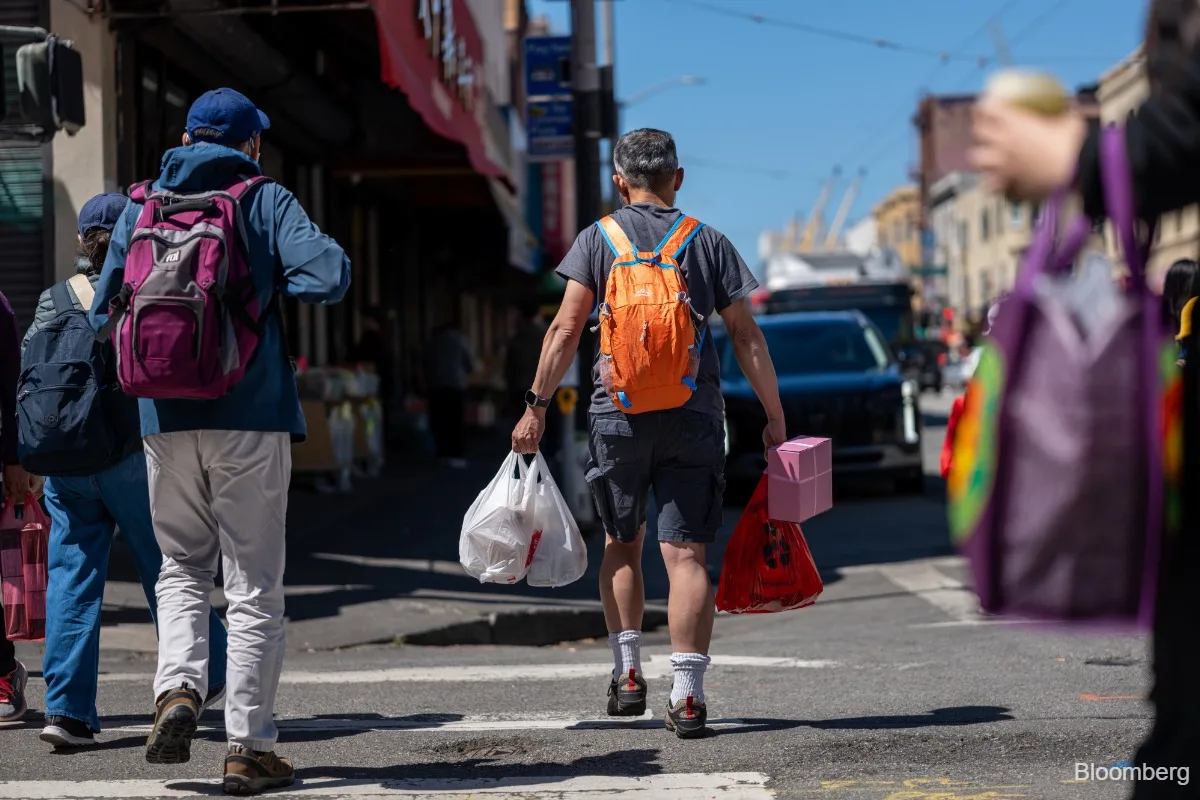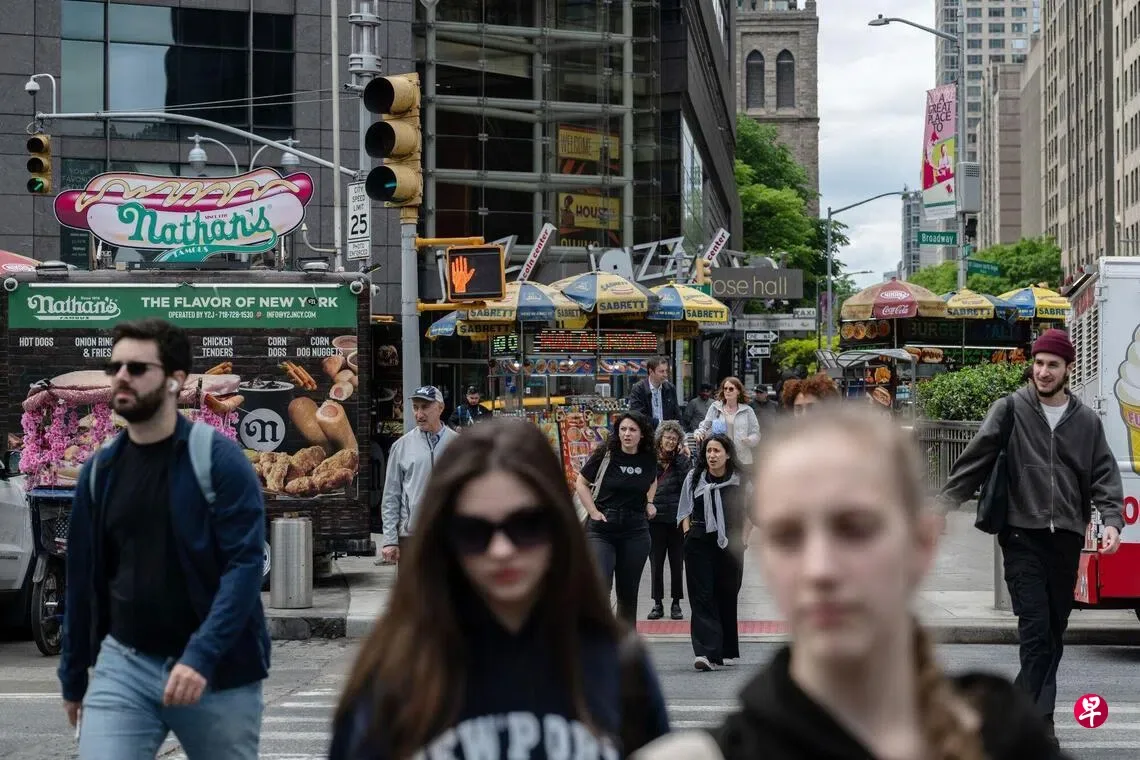
The University of Michigan's final consumer sentiment index for May 2026 fell to 44.8, down from April's 49.8 and marking the lowest reading since 1952 [1, 2, 3, 4, 5, 6]. The survey was conducted from April 21 to May 18, capturing consumer views amid ongoing geopolitical and inflation pressures [1, 2].
Gasoline prices rose over 50% since the US-Iran war began in late February 2026, remaining above $4.50 per gallon in May. This increase in energy costs has driven inflation concerns and disrupted supply routes through the Strait of Hormuz [1, 2, 3, 5, 7]. Joanne Hsu, Surveys of Consumers Director, said, "Consumer sentiment fell for the third straight month as supply disruptions in the Strait of Hormuz continue to boost gasoline prices. Sentiment is now just below the previous historical trough seen in June 2022. Critically, consumers appear worried that inflation will increase and proliferate beyond fuel prices, even in the long run" [3].
Short-term inflation expectations over the next year rose to 4.8% in May, up from 4.7% in April and 3.4% before the war. Long-term inflation expectations for the next 5-10 years increased to 3.9% from 3.5% in April [1, 2, 3, 5]. More than half (57%) of consumers reported that high prices were eroding their personal finances in May, up from 50% in April, according to Hsu [1, 2, 5, 7]. Mid- and low-income households faced greater pressures, with low-income groups experiencing higher energy cost burdens [7].
Despite weak sentiment, consumer spending has shown resilience, supported by a strong labor market and a rally in stock markets [1, 3, 5]. However, Federal Reserve officials voiced concern about rising inflation expectations. Fed Governor Christopher Waller noted, "While measures of longer-term inflation expectations are still relatively low and appear well anchored, some expectations from one to five years ahead have moved up since the beginning of 2026, which I find concerning" [3].
Kevin Warsh was sworn in as Federal Reserve Chairman on May 22, 2026, entering a challenging environment marked by inflationary pressures and geopolitical risks [6, 8]. The Fed signaled it is unlikely to cut interest rates soon, given inflation risks and consumer sentiment trends. The US 10-year Treasury yield rose to its highest level in over a year amid these concerns [3, 6, 8].
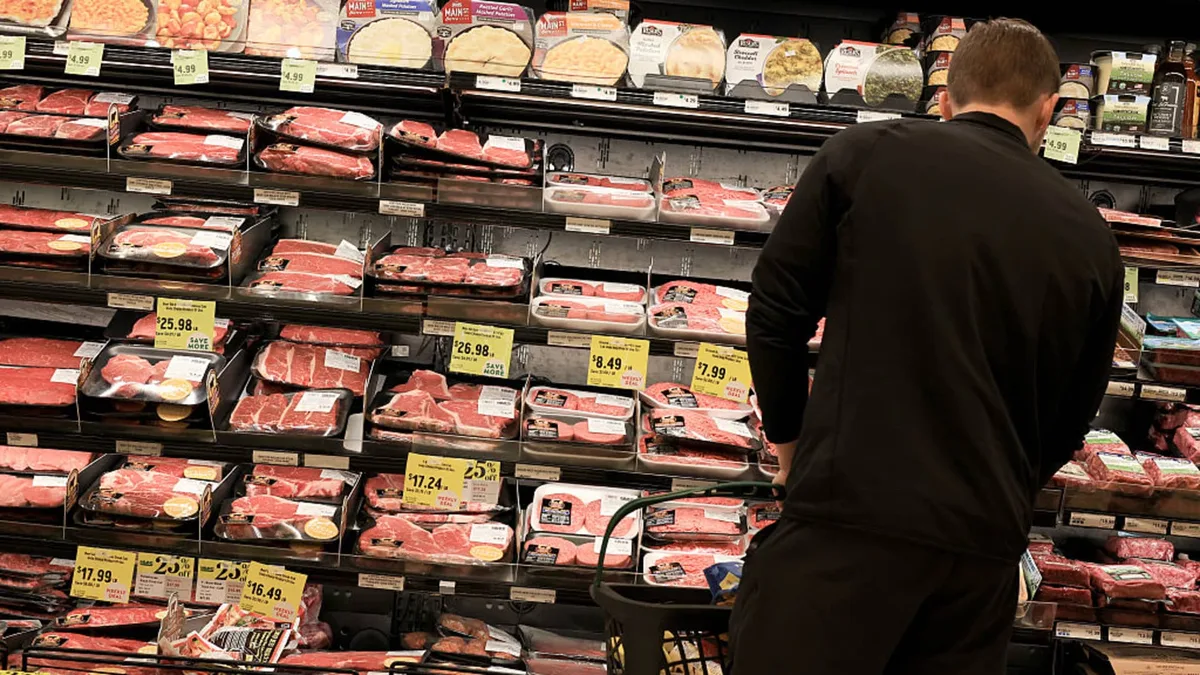
The conflict and energy price shocks have ripple effects, increasing grocery and freight costs as well, adding to overall consumer expenses [7]. US consumer tax rebate benefits enacted in 2025 began fading in early 2026, reducing support for retail demand [7]. Lowe’s CFO Brandon Sink said some consumers held back rebate money due to market uncertainty, suggesting consumer spending growth might continue into June but weaken afterward [7].
The next key update is expected from the University of Michigan’s June consumer sentiment report, capturing whether recent developments ease or deepen the current pessimism.