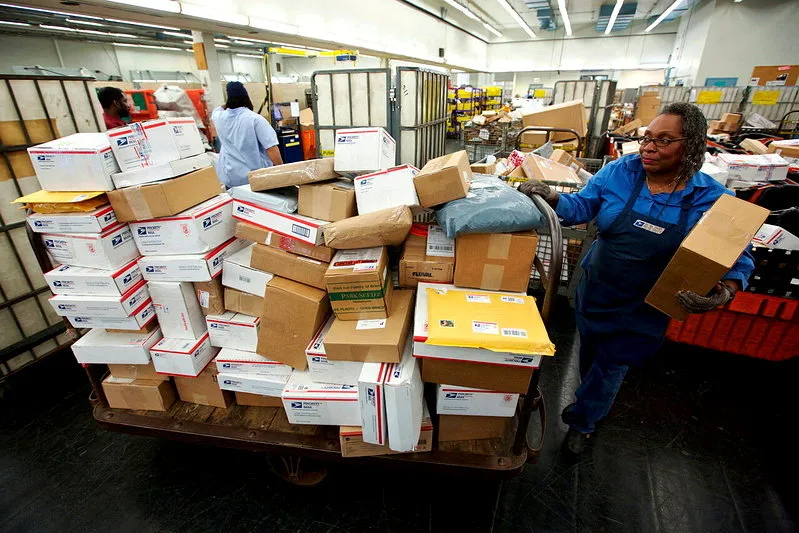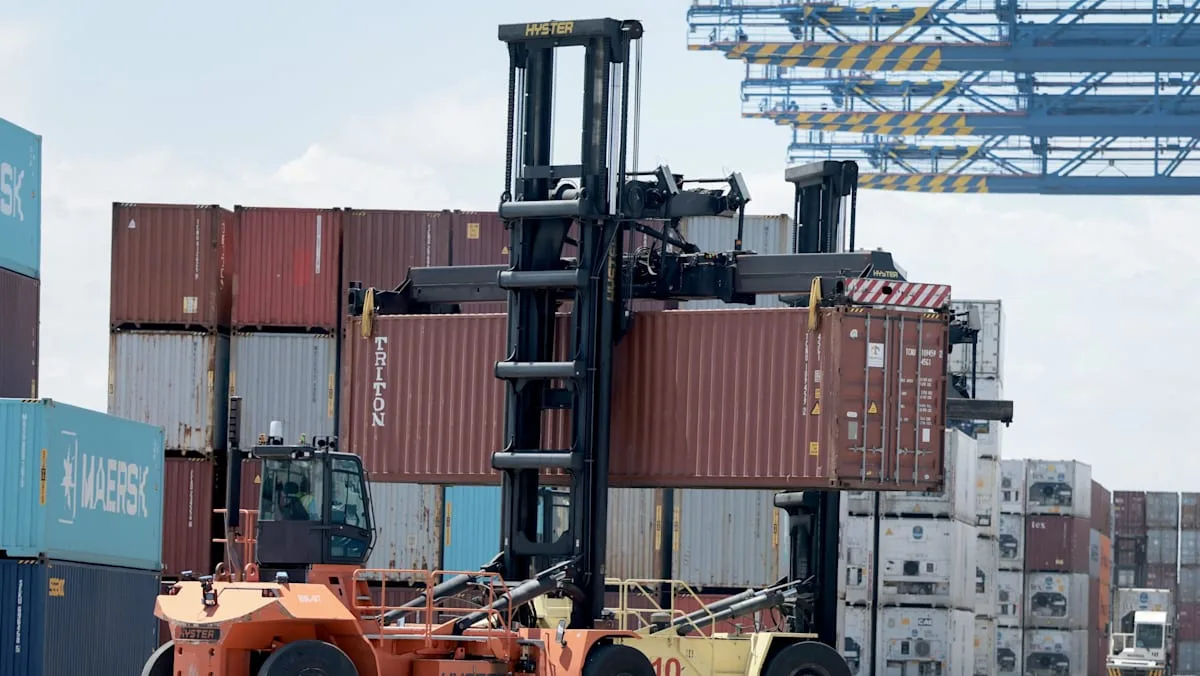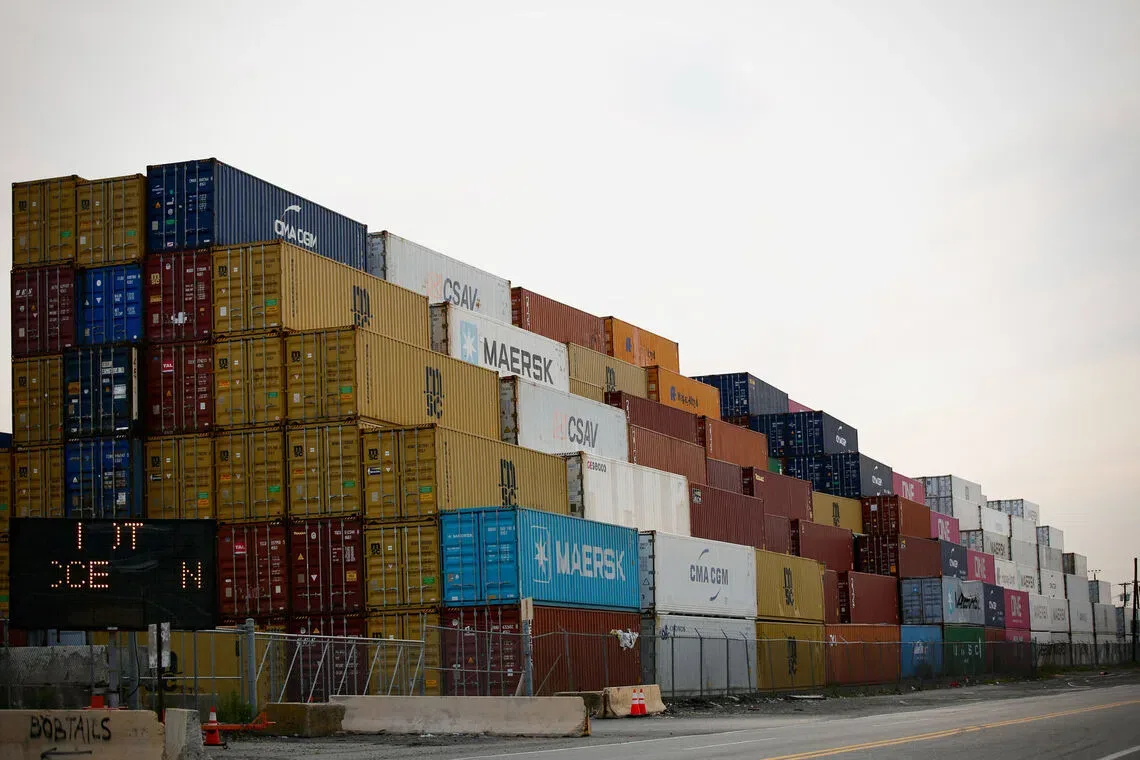
The U.S. Court of International Trade ruled on August 13, 2026, that former President Donald Trump had legal authority to end the 'de minimis' tariff exemption for small parcels valued at $800 or less entering the United States [1, 2, 3, 4, 5, 6, 7]. Trump revoked the exemption in 2025, citing abuses that included tariff evasion and drug smuggling under the policy [1, 2, 3, 4, 5, 6, 7].
The exemption had allowed duty-free import of low-value goods below $800 and was widely used by e-commerce companies such as Shein and Temu to ship products into the US without tariffs [1, 2, 3, 5, 6]. Small businesses voiced concerns that removing the exemption disproportionately hurts them, since large platforms have more resources to absorb increased costs [1, 3, 5, 6, 7].
Detroit Axle, an auto parts distributor based in Michigan, filed the lawsuit challenging Trump's authority to rescind the exemption under the International Emergency Economic Powers Act (IEEPA) [2, 5, 6]. The Court panel found that Trump's cancellation of the duty-free exemption fell within his IEEPA powers, distinguishing it from imposing new tariffs, which the Supreme Court had ruled he could not do unilaterally [2, 5, 6]. The judges stated, "The President's power to 'nullify [or] void... exercising any... privilege' does not run afoul of separation of powers principles" [2].
In February 2026, the US Supreme Court struck down much of Trump's broad global tariffs under IEEPA, citing separation of powers concerns but did not rule on ending the de minimis exemption [1, 2, 5, 6]. Congress formally repealed the exemption in the 2025 omnibus tax and spending bill with an effective date of July 2027 to give businesses time to adjust [5, 6].
Trump called the court ruling a "big win" and said the exemption had become a "giant loophole for tariff cheats and drug smugglers" [1, 3, 4, 5, 7]. E-commerce giants Shein and Temu as well as smaller retailers have been impacted by recent removals of tariff exemptions on Chinese goods [1, 3, 5, 6, 7].
The legal confirmation allows for the de minimis exemption’s repeal to fully take effect as scheduled in July 2027, giving importers and businesses over a year to comply with the tariff changes [5, 6].