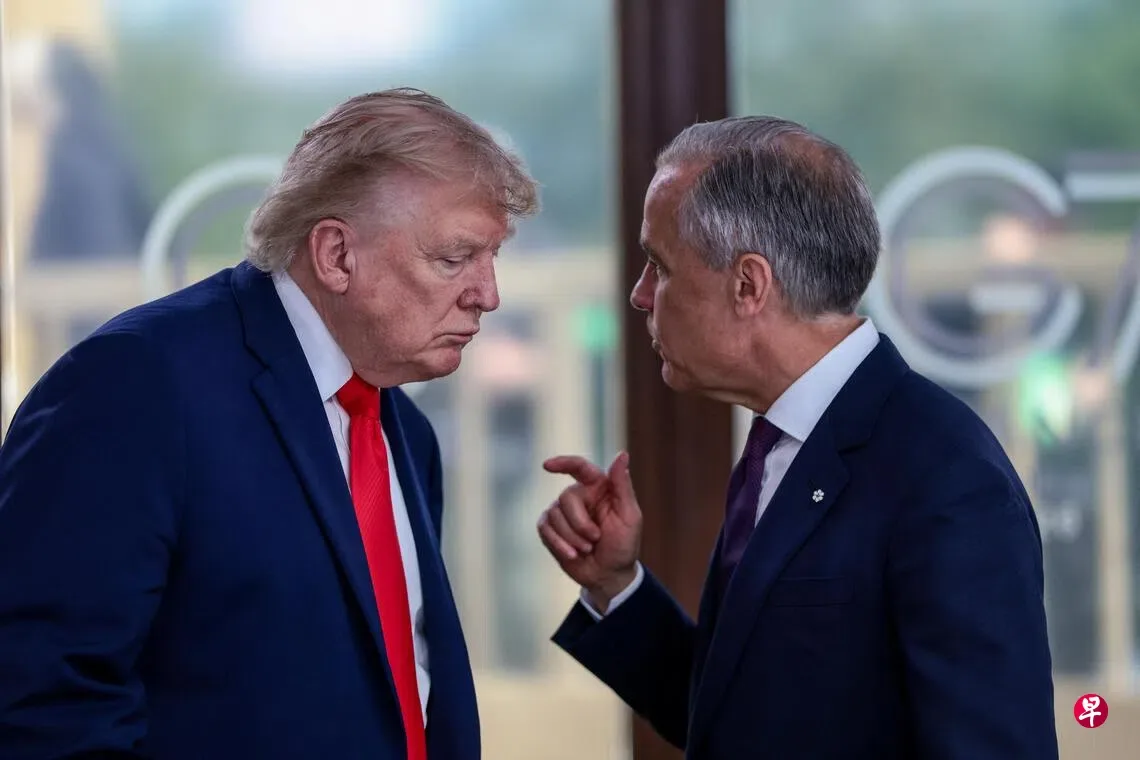
The United States and Canada are close to reaching a trade agreement aimed at easing months of tariff and counter-tariff tensions. US President Donald Trump announced on August 18 that the implementation of new 50% tariffs on about $20 billion of Canadian goods, originally set for August 19, would be postponed by three days to August 22 due to the near-agreement.
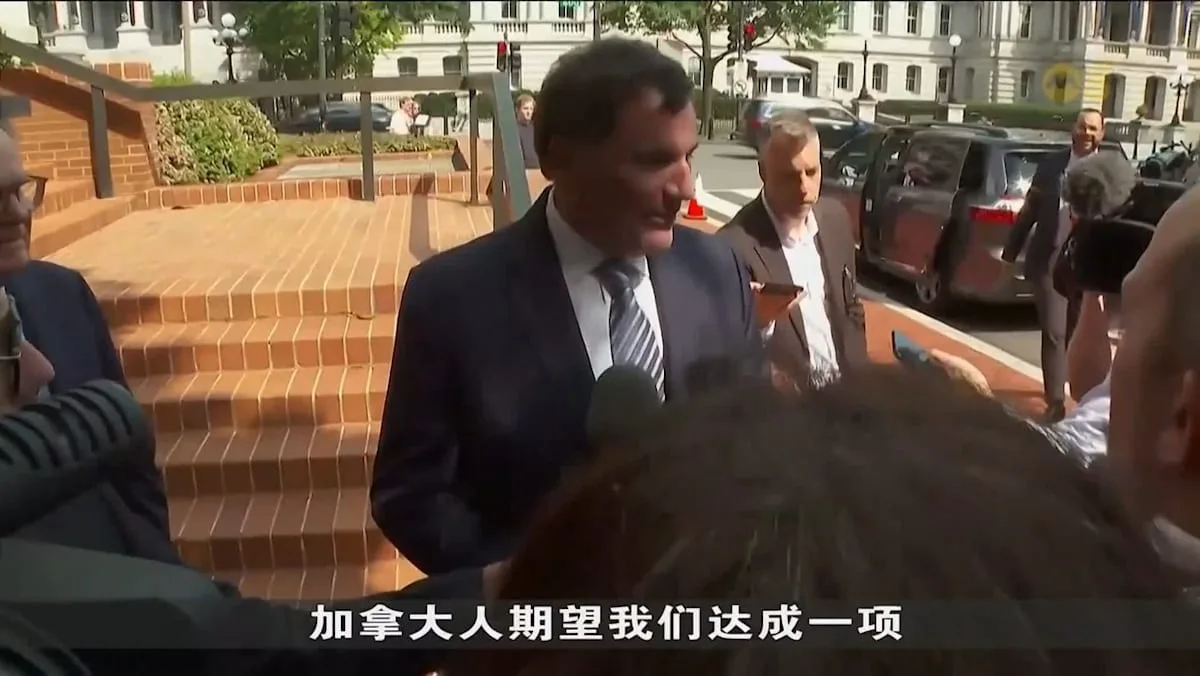
The tariffs target Canadian products including wine, dairy, sporting goods, lumber, steel, aluminum, cement, and baseball bats, some of which had been protected under the US-Mexico-Canada Agreement (USMCA) [1, 2, 3]. Trump said on social media the delay was "因为加拿大和美国达成了协议,只待文件最终敲定" [1]. Canadian Trade Minister Dominic LeBlanc said, "我们已经非常接近达成协议。我们持续取得进展,也会留在这里完成所有必要的工作" [4].
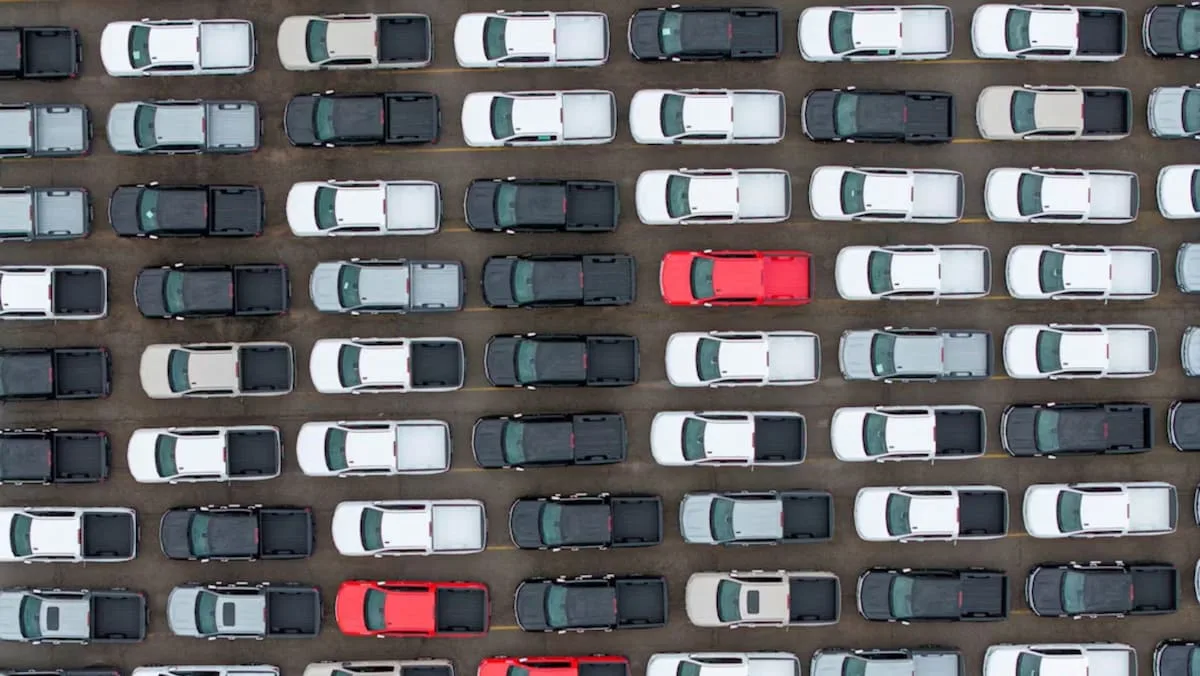
The proposed deal reportedly includes cutting the US tariff on Canadian-made automobiles from 25% to 15%, and reducing steel and aluminum tariffs from 50% to 25%, with some steel tariffs subject to import quotas. However, some details remain unresolved, with sources differing over final terms [5, 6, 4, 7, 8, 9, 10]. Canadian Prime Minister Mark Carney described the accord as aiming to resolve outstanding trade issues and bringing greater certainty to businesses, workers, and farmers [1].
The tariffs affect roughly 5% of Canada's exports to the US, roughly $20 billion worth of goods [1, 11, 3]. The Trump administration justified the tariffs under Section 338 of the 1930 Tariff Act, citing Canadian policies seen as discriminatory against US producers in dairy, wine, and automotive sectors [1, 12, 11, 2]. The dispute threatened the North American supply chain and the broader USMCA review [1, 11, 8, 3].
Negotiations have involved multiple meetings in Washington between LeBlanc and US Trade Representative Jamieson Greer. Greer said they are “very satisfied” with the talks and expect the agreement will protect American labor, jobs, and supply chains [6, 4, 7, 3, 10]. Canada has insisted the supply management system for dairy will remain fully intact, while US alcoholic beverages removed due to Canadian retaliation are expected to be restocked [6, 7, 3].
Market analysts saw the delay as likely, though some estimate a 45% chance the tariffs could still take effect as scheduled [12]. Tobin Marcus of Wolfe Research said the "最可能的结果是,这一轮关税会在8月19日截止日前延期或取消" but a full tariff implementation on schedule would be surprising [12].
If no final agreement is signed by midnight August 22 US Eastern Time, the 50% tariffs will take effect as planned [1, 4, 10].