The US Department of Commerce announced on July 10, 2026, it has loosened export controls on the United Arab Emirates, removing licensing requirements for military items, AI chips, commercial satellites, and advanced computing goods [1, 2, 3, 4, 5, 6]. The UAE is now permitted certain license exceptions previously unavailable, and the Commerce Department moved the UAE into a grouping normally reserved for multilateral export control regime members — making it the only non-member country to gain such exceptions [1, 3, 4, 5, 6].
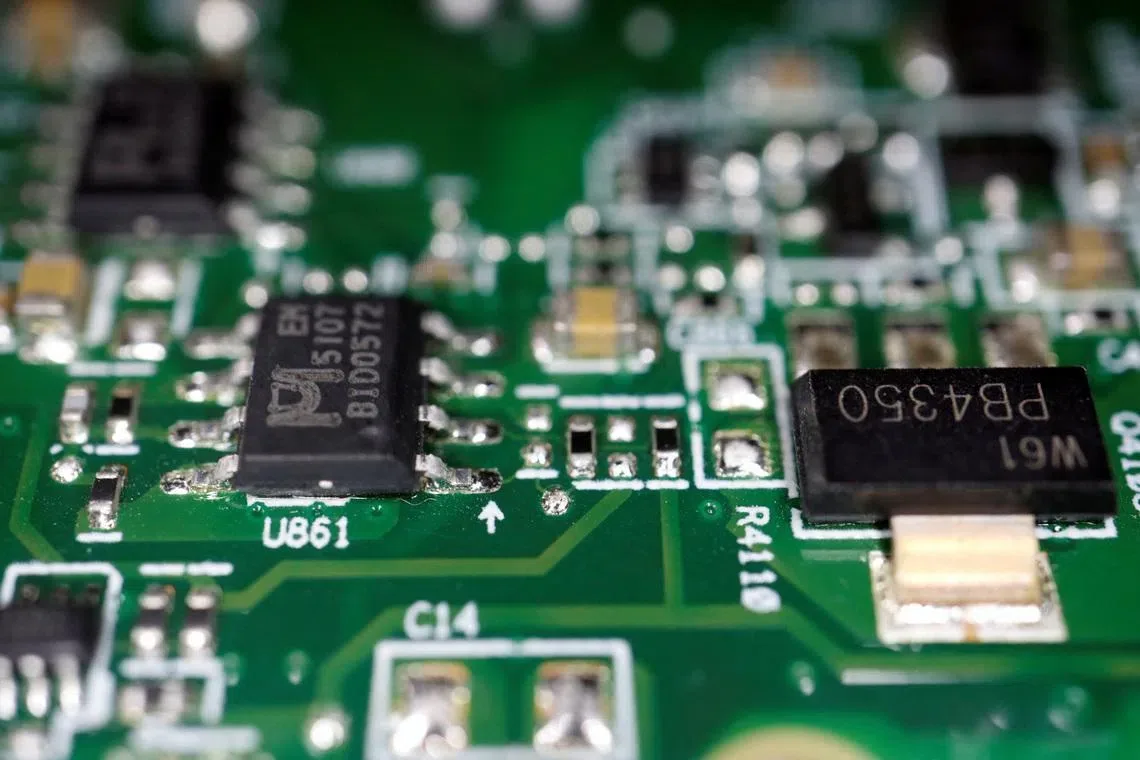
This policy change allows the UAE government and approved companies including G42 and Core42, as well as US firms with UAE operations such as Amazon, Apple, and xAI, to import AI chips and servers from US suppliers like Nvidia and AMD without export licenses [1, 2, 7, 8, 9, 3, 4, 6]. Entities importing advanced AI chips generally face ongoing end-use and end-user reviews, and some exemptions are initially valid for only 270 days [6].
The easing also removes licensing requirements for dual-use goods related to oil and gas production, desalination, civil nuclear power, and supports the UAE’s drone programs [3, 4, 5, 6]. The move reflects longstanding US-UAE cooperation against Iran and its proxies, including support during the recent Operation Epic Fury [1, 2, 3, 4]. The UAE is the US’s largest trading partner in the Middle East, with more than $1 trillion in UAE foreign direct investment in the US across AI, metals, aerospace, and energy sectors [1, 7, 8, 9, 3, 4, 6].
Some US companies including Amazon, Google, Apple, Meta, Microsoft, OpenAI, Oracle, and xAI are also permitted to import AI processors license-free for their UAE subsidiaries [7, 8, 9, 6]. The US-UAE partnership deepened with a May 2025 cooperation agreement on mutual AI infrastructure investments [3, 6].
The policy drew criticism from US national security hawks and some Democrats, including Senator Elizabeth Warren, who warned it rewards Emirati businesses with close presidential ties despite concerns over technology diversion to China and risks to US security [2, 3, 4]. National security expert Chris McGuire cautioned, "This will pose enormous national security risks. The UAE will become a critical AI computing hub like its role in the oil market, but also a backdoor for China to acquire US technology, worsening US AI chip shortages and slowing US AI development" [2, 7]. G42 has historical ties to Huawei but has moved to cut links amid these concerns [7, 8, 9].
Supporters argue the easing strengthens US-UAE strategic and technology cooperation while maintaining safeguards such as end-use reviews. Andrew Feldman, CEO of AI chip startup Cerebras, said, "The UAE has long been an outstanding US ally. Keeping like-minded countries in our tech ecosystem is a good policy" [7]. UAE Ambassador Yousef Al Otaiba described the change as affirming "decades of deep and dependable UAE-US cooperation in technology, security, trade and investment" [2].
This export control easing is also viewed as a strategic move amid renewed US-Iran tensions and regional instability [5, 6]. It is part of the Trump administration’s broader push to boost US technology exports and strengthen ties with key partners in AI and advanced sectors [2, 3, 4, 6].