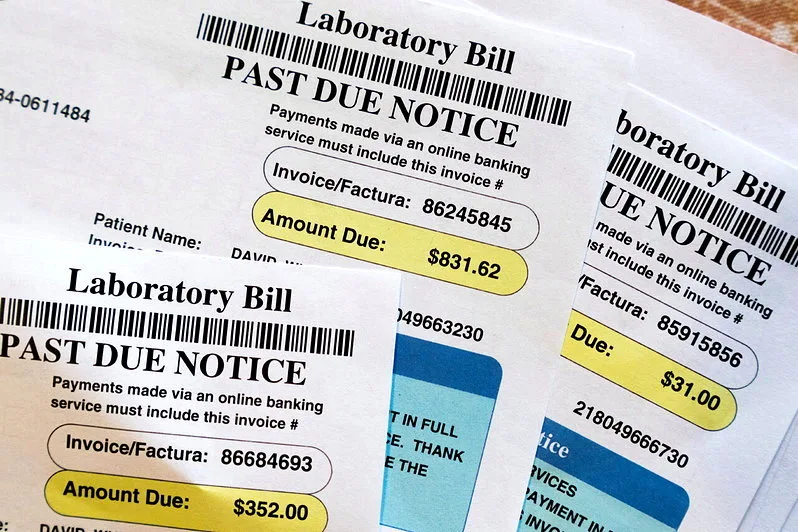
U.S. employers are facing a sharp rise in health care costs in 2027, with projections ranging from 9.5% to 11.1% increases depending on the source. Aon estimates costs will rise 9.5%, pushing average spending per employee past $19,000, while Willis Towers Watson (WTW) forecasts an 11.1% increase — the highest in more than two decades [1, 2, 3, 4].
The rising costs come as employees covered by employer plans spent an average of $5,297 on health care in 2026, including payroll deductions and out-of-pocket expenses. This reflects a $388 increase from 2025 [1, 2, 3, 4]. Employers currently pay about 82% of these health plan costs on average, with employees covering the remainder [1, 4].
Key drivers of the cost growth include increased utilization of specialty medicines, such as GLP-1 drugs used for diabetes and obesity, whose use among employees grew 75% in 2025. Expensive cancer treatments, growing rates of chronic conditions, and rising medical service use also contribute. Additionally, new technology including AI-enabled billing and coding has led to higher charges in some cases, as providers document care in more detail, according to an Aon spokesman [1, 2, 3, 4].
These cost pressures have shifted benefits decision-making in larger companies from human resources to senior leadership, including finance heads, CEOs, and boards. Mike Pasterick of Aon North America said, "Not just finance, but CEOs and boards are paying close attention" [3]. Jeff Levin-Scherz, Public Health Director at WTW, said employers told them, "This situation really can’t be sustained" [2].
The strain on businesses is illustrated by a 35-employee glass manufacturer in West Virginia. The company has faced double-digit annual premium increases since its acquisition in 2021, and health insurance costs now exceed 5% of revenue, surpassing profit margins. Co-owner Jason Wilburn described the situation as "both frustrating and heartbreaking," adding, "something has to change" [2, 3].
These rising costs have also led some employees to drop employer health coverage, despite employers typically covering around 90% of premiums. Health insurance cost growth continues to outpace income growth, worsening affordability concerns, noted Harvard Medical School’s Michael Chernew: "Recently, health care spending growth is faster than income growth" [3].
Employers, employees, and insurers await the official 2027 health plan renewals, expected in the coming months, where premium adjustments will reflect these projected increases and cost pressures [1, 2, 3].