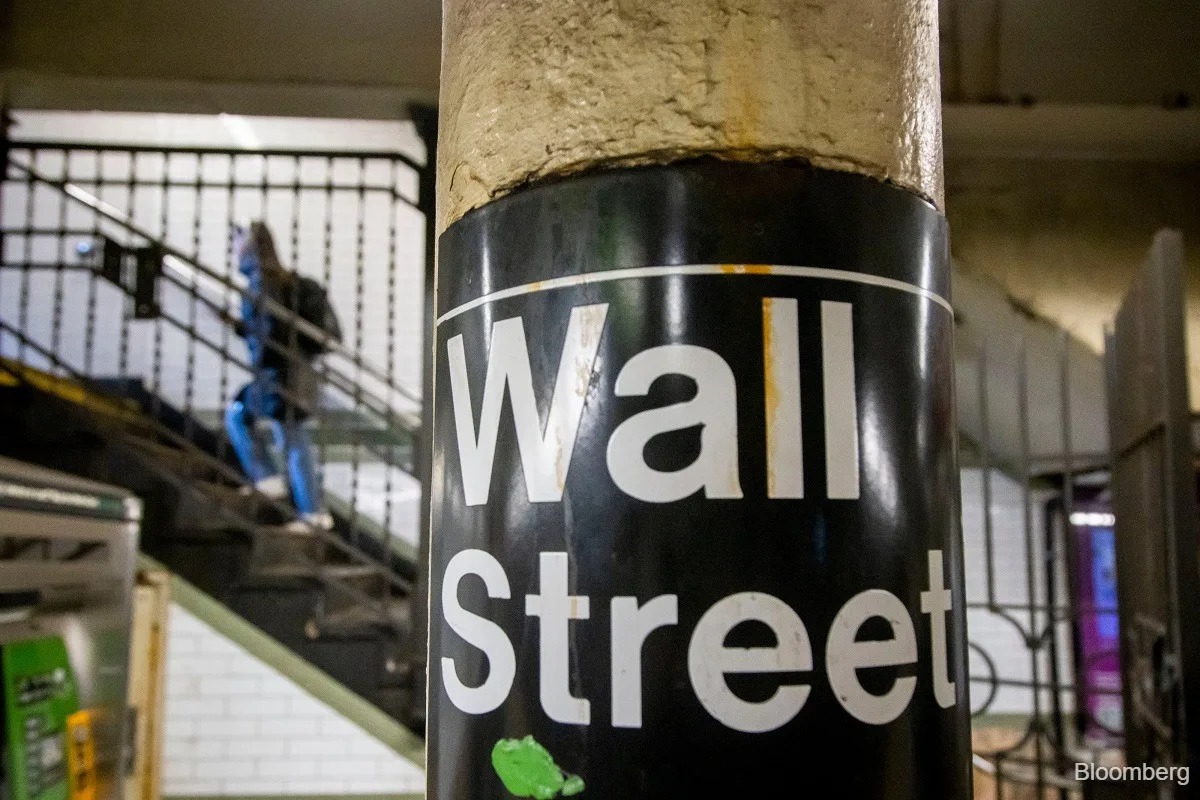
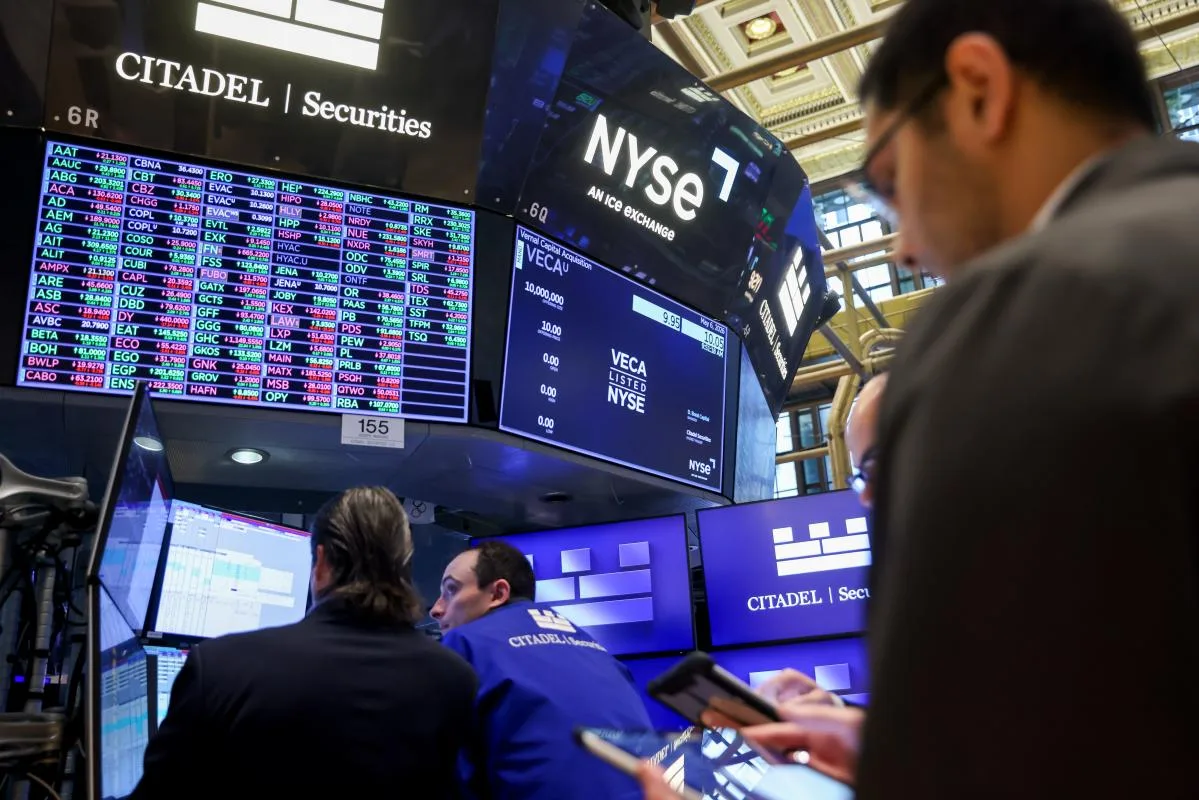
US stocks pulled back from record highs on May 12 and 13 due to rising inflation and increased geopolitical risks tied to US-Iran tensions. The S&P 500 and Nasdaq retreated as April consumer prices rose 3.8% year-on-year, exceeding expectations and marking the highest inflation rate in nearly three years [1, 2]. Meanwhile, US producer prices jumped 6.0%, the largest annual gain since early 2022, signaling accelerating inflation pressures [3, 4]. Wells Fargo’s Doug Beath said markets have been slow to fully grasp the economic damage from higher raw materials and oil prices, warning of potential accelerated inflation [1].
The geopolitical climate intensified after US President Donald Trump said the US-Iran ceasefire was "on life support" following Tehran’s rejection of a US peace plan. This standoff has kept the Strait of Hormuz effectively closed due to ongoing US-Israeli military actions, restricting a vital crude oil shipping route and causing energy prices including oil and gasoline to surge [1, 5, 6, 7, 8, 2]. Bellwether Wealth’s Clark Bellin noted producer prices were impacted by $100 per barrel oil, underscoring the Federal Reserve’s inflation challenge [4].
In contrast to these inflationary and geopolitical jitters, strong corporate earnings and excitement over artificial intelligence investments pushed US stocks higher on May 14. The S&P 500 rose above 7,500 for the first time amid a tech-led rally [9, 4, 10, 11]. Nvidia shares surged 4.4% after US regulators approved sales of the company’s H200 AI chips to Chinese firms, boosting Nvidia’s market cap to around $6 trillion [5, 6]. Bret Kenwell from eToro highlighted that tech, rather than consumer spending, was driving stock gains despite persistent inflation pressures [10].
President Trump arrived in Beijing on May 13 for a summit with Chinese President Xi Jinping, accompanied by Tesla CEO Elon Musk and Nvidia CEO Jensen Huang [3, 9, 4, 5, 10, 11, 6]. The talks cover trade issues, US arms sales to Taiwan, and attempts to reopen the Strait of Hormuz, said Michael Monaghan, who called the meetings "very high stakes" in global power competition but noted mutual economic benefits from cooperation [5].
The US Federal Reserve is expected to keep interest rates steady for the rest of 2026 due to inflation remaining above forecasts, supported by recent data pointing to persistent price pressures [1, 3, 2]. Peter Cardillo of Spartan Capital expressed skepticism that rate cuts would come any time soon given the tough inflation environment [3].
Wall Street remains split between concerns over inflation and geopolitical risks on one side and strong earnings and technological innovation on the other [9, 4, 10, 11]. The Trump-Xi summit concludes May 15 after which Asian markets are expected to respond to the summit outcomes [10, 11].