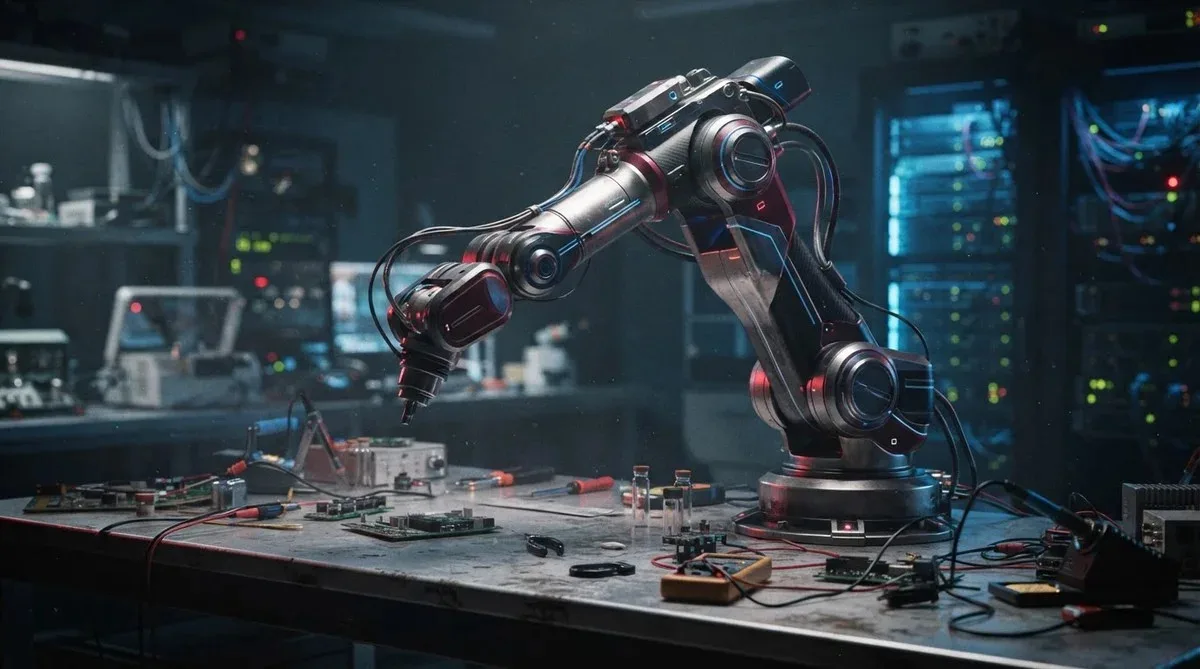
The US Federal Communications Commission (FCC) announced on July 27, 2026, a ban on imports of advanced humanoid robots, including AI-powered humanoid and quadruped robots manufactured abroad, citing national security and supply chain vulnerabilities [1, 2, 3, 4, 5].
The ban specifically targets foreign robots with AI functions such as remote control, data transmission, and autonomous movement. It places particular emphasis on products manufactured in China due to concerns over espionage and cyber threats linked to data collection and external control [1, 2, 3, 4, 5]. The FCC expanded its covered list to include movable robots weighing more than 4.4 pounds that are controlled by software featuring navigation and obstacle avoidance capabilities [5].
An FCC spokesperson explained the rationale: "Foreign-made advanced robots may have supply chain and cybersecurity vulnerabilities that could be exploited to collect sensitive information, remotely control devices, or affect critical infrastructure safety" [3]. Jonathan Fritz, a researcher at the Center for American Progress, added, "Any device capable of remote connection or transmitting sensitive data poses a national security risk and must be carefully assessed and regulated" [3].
The ban exempts products already on the US market and allows for risk assessments that could grant exemptions to some robots meeting security criteria [5]. It builds on the 2019 Secure and Trusted Communications Networks Act, which gave the FCC authority to block communications equipment deemed security risks [5].
The policy continues a US strategy initiated under the Trump administration to counter China’s growing AI and robotics presence by restricting Chinese technology access to sensitive industries [2, 3, 4]. Chinese officials rejected the ban’s grounds, with Foreign Ministry Spokesperson Mao Ning stating, "The US expanding national security concepts into trade and technology is detrimental to normal market competition and harms consumer interests; China will protect its companies’ legitimate rights" [3].
Industry reactions vary. Some support the ban as necessary for national security, while others warn it could increase costs, slow innovation, and fragment the global technology market [3, 4]. Taiwanese experts note that firms from Taiwan do not automatically benefit from the ban; their success depends on product trust, transparency, and software control [2].
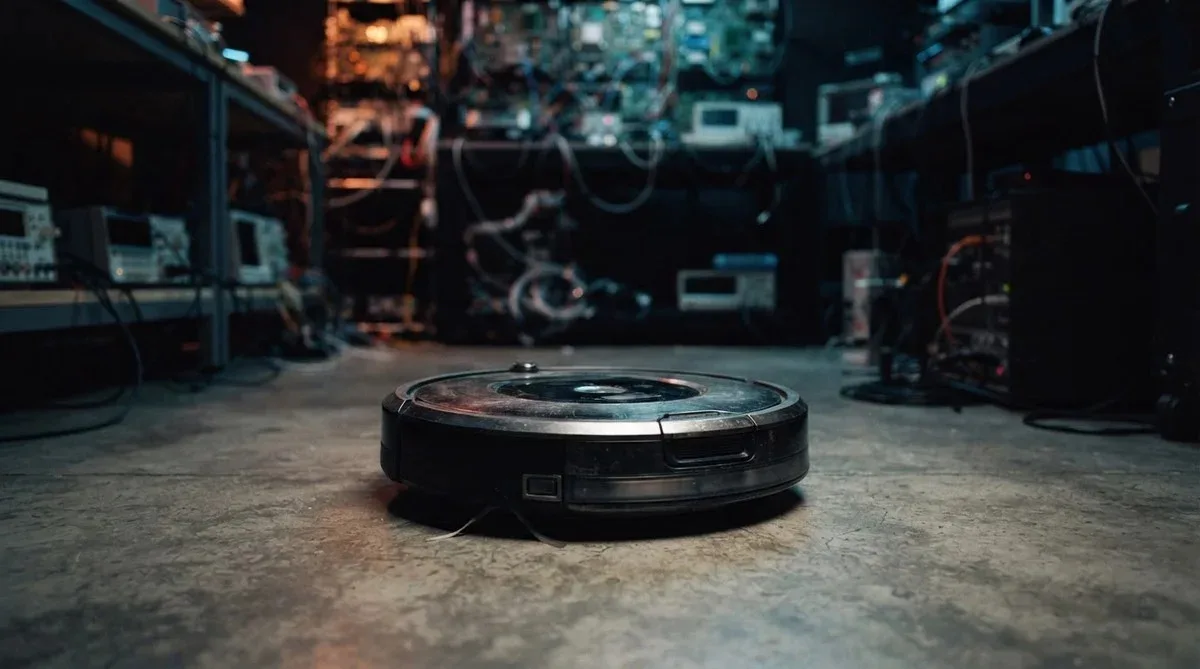
The ban could also affect manufacturers outside China if their products fail to meet the FCC’s new requirements, including companies producing robotic vacuums like Roomba [5].
The FCC’s ban became public on July 27, with subsequent media reports analyzing its impact through early August [1, 2, 3, 4, 5]. The FCC will begin enforcement of the import restrictions following the established regulations, with products on US markets subject to ongoing risk evaluations [5].