The US Food and Drug Administration granted emergency authorization on June 11, 2026, for nitenpyram to treat New World screwworm infections in cats and dogs [1, 2]. This drug is available over the counter and approved for pets weighing at least 0.9 kilograms and at least four weeks old [1].
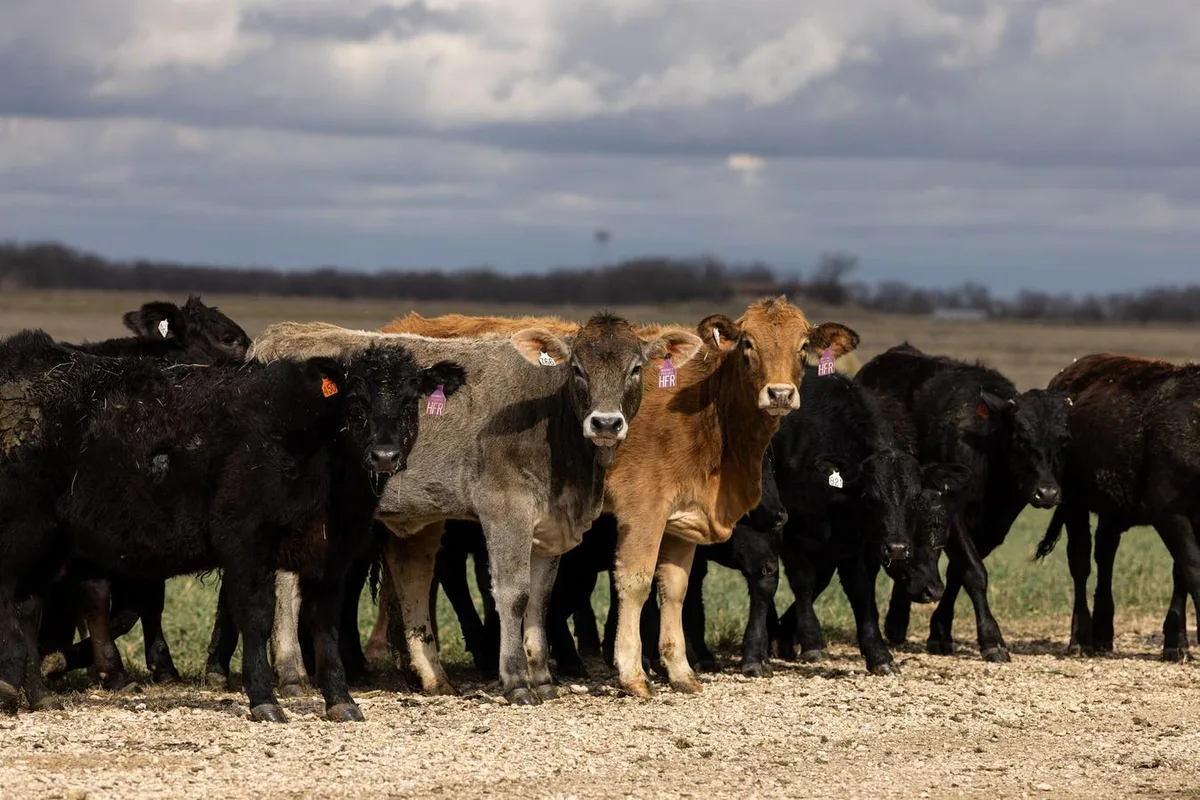
The screwworm parasite was first detected in a three-week-old calf in La Pryor, Texas near the Mexico border in May 2026, marking the reemergence of the parasite in the US [2]. Since then, infections have been confirmed in livestock in Texas and a dog in New Mexico, with reported cases rising to seven [1, 2]. Some sources initially cited at least four cases, including a dog and cattle [1], but the most recent count stands at seven [2].
Nitenpyram quickly kills most screwworm larvae but requires a second dose six hours after the first. Afterward, the remaining larvae must be removed by a veterinarian [1]. The drug is also marketed under brand names like Capstar and Capaction for flea control [1].
Experts caution pet owners that dogs can safely go on routine walks unless they have fresh, untreated wounds susceptible to infestation, according to Sharon Nachman, chief of pediatric infectious diseases at Stony Brook Children’s Hospital [1].
The return of screwworm in the US follows budget cuts to a Central America monitoring program and the lifting of Mexican cattle import suspensions, which may have contributed to the parasite’s resurgence [2]. The infestation poses a risk to the US cattle industry by causing animal deaths, reducing weight gain, and potentially driving beef prices even higher [2]. Beef prices have already increased about 75% since December 2020 amid the nation’s lowest cattle herd levels in 75 years [2].
Authorities continue surveillance and recommend prompt treatment of infected animals. Veterinary removal of larvae is essential after nitenpyram dosing to fully clear infections [1].