The US Federal Reserve held interest rates steady at 3.5 to 3.75 percent in its first meeting under new Chair Kevin Warsh on June 17, 2026 [1, 2]. The move marked a cautious start for Warsh, with MFS Investment Management’s Erik Weisman noting the Fed is "likely to signal a neutral bias for monetary policy going forward," while the new chair "may still be gauging the mood of the committee" [2].
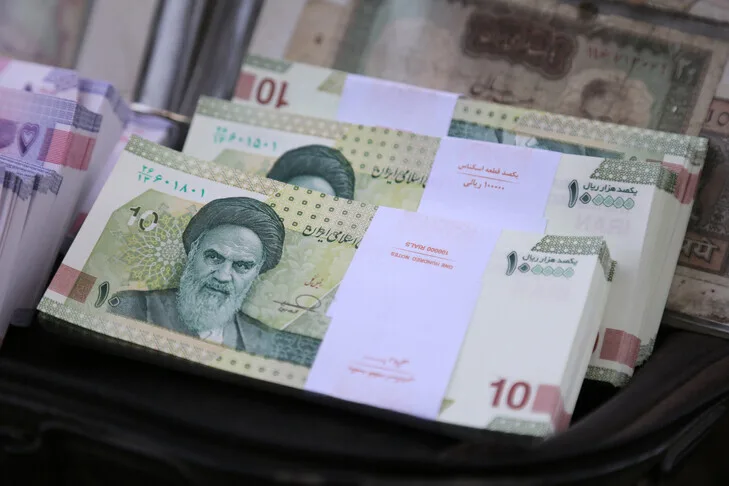
Following the Fed announcement, the US dollar weakened slightly as markets awaited further policy signals. Improved investor confidence also arose from an interim peace agreement between the US and Iran [2]. The agreement led to a 15% rally in the Iranian rial over the past week, driving the free market exchange rate from about 1.81 million rials per dollar down to approximately 1.52 million rials per dollar [3].
Earlier this year, the rial had depreciated sharply amid war costs, sanctions, and attacks, reaching a peak of roughly 1.93 million rials per dollar in March 2026 [3]. The recent diplomatic breakthrough eased tensions and stabilized the Iranian currency.
Asian currencies face continued pressure from the relatively stronger US dollar following the Fed’s decision. BlackRock’s Navin Saigal said, "The hawkish interpretation of the Fed decision will likely result in a stronger US dollar and higher rates in Asia" [1].
Adding to global market shifts, the Bank of Japan raised its benchmark interest rate to the highest level in 31 years on June 15. This move is part of an ongoing policy normalization and may further influence currency and capital flows in the region [2].
The next major policy event is likely the Federal Reserve’s upcoming communications, where Chair Warsh will clarify the Fed’s direction amid these global economic developments [2].