US real GDP growth slowed sharply to a 1.5% annualized rate in the second quarter of 2026, down from 2.1% in the first quarter and below economists’ expectations of around 2% [1, 2, 3, 4, 5, 6, 7]. Consumer spending rose strongly by 3.2%, supporting growth, but increased imports subtracted about 1.5 percentage points from GDP growth. Government spending also declined significantly, weighing on economic output [4, 5, 7].
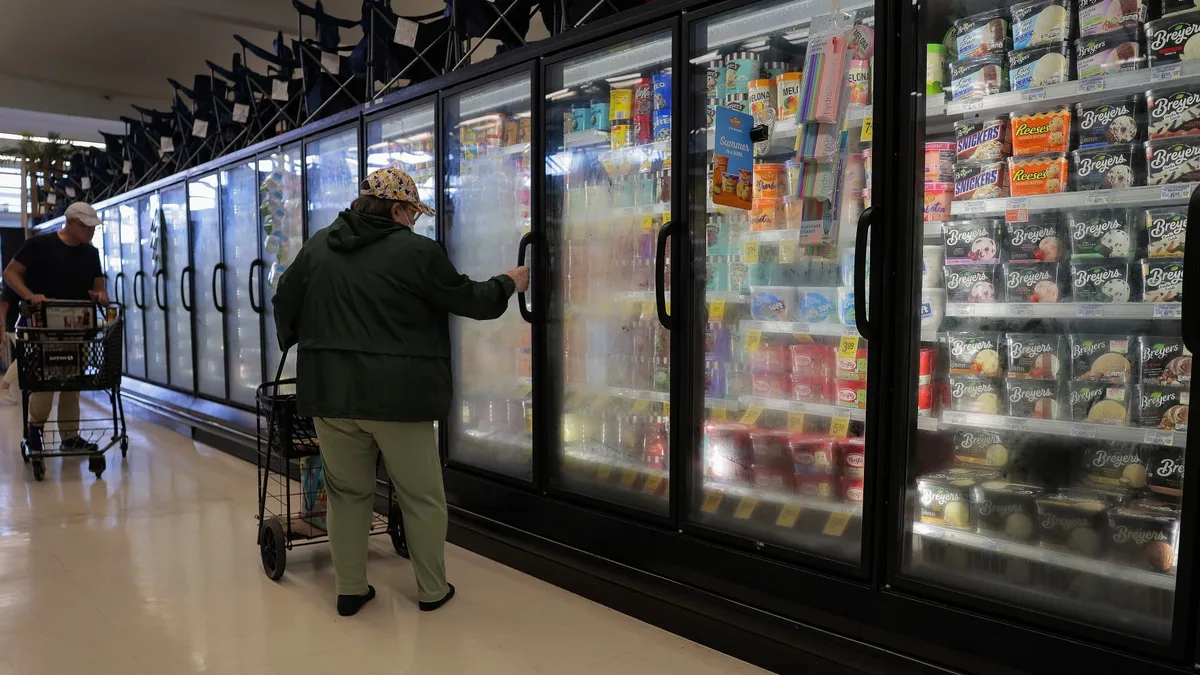
Inflation as measured by the Federal Reserve’s preferred gauge, the personal consumption expenditures (PCE) price index, rose 3.7% year-over-year in June 2026. This was down from 4.1% in May but remained well above the Fed’s 2% target [1, 2, 3, 4, 5, 6, 7]. Core PCE inflation, which excludes volatile food and energy prices, was up 3.3% year-over-year in June, slightly below May’s 3.4%, driven by a modest 0.1% monthly increase, beneath expectations of 0.2% [1, 2, 3, 4, 5, 6, 8, 7]. The overall PCE price index fell 0.1% month-over-month in June, the first monthly decline since 2020, largely due to easing energy costs linked to a partial ceasefire in the Iran war [3, 9, 10, 4, 5, 6]. Commodity prices, especially oil, had a strong impact on inflation trends as of June [3, 4, 11].
The labor market remained resilient through 2026, with an average of about 92,000 jobs added monthly compared to fewer than 10,000 monthly in 2025. Initial unemployment claims rose slightly to 197,000 in the week ending July 25 but stayed near historic lows [1, 4, 5, 6, 7].
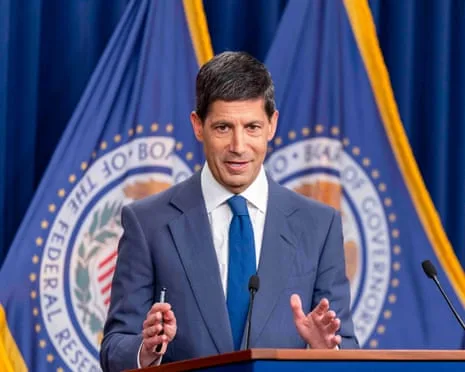
The Federal Reserve kept interest rates unchanged for the fifth straight meeting on July 29, holding the benchmark range at 3.5% to 3.75%. However, three regional Fed presidents dissented, supporting a rate hike [1, 11, 7]. White House officials suggested that the recent easing in inflation might justify considering rate cuts if the trend continues. White House Trade Adviser Peter Navarro stated, "If current market trends persist, the Fed should consider cutting rates." White House National Economic Council Director Kevin Hassett commented that the latest inflation numbers made Fed Chair Kevin Warsh’s job "a little easier." Chair Warsh warned that US inflation has remained above the Fed’s 2% target for at least 63 months and that more aggressive action could be needed if the economy overheats [11].
Stock markets rallied following the inflation report and strong corporate earnings, particularly in technology and semiconductor sectors. Meanwhile, the US dollar weakened and gold prices rose amid speculation about possible central bank currency market interventions [8, 11, 12, 7].