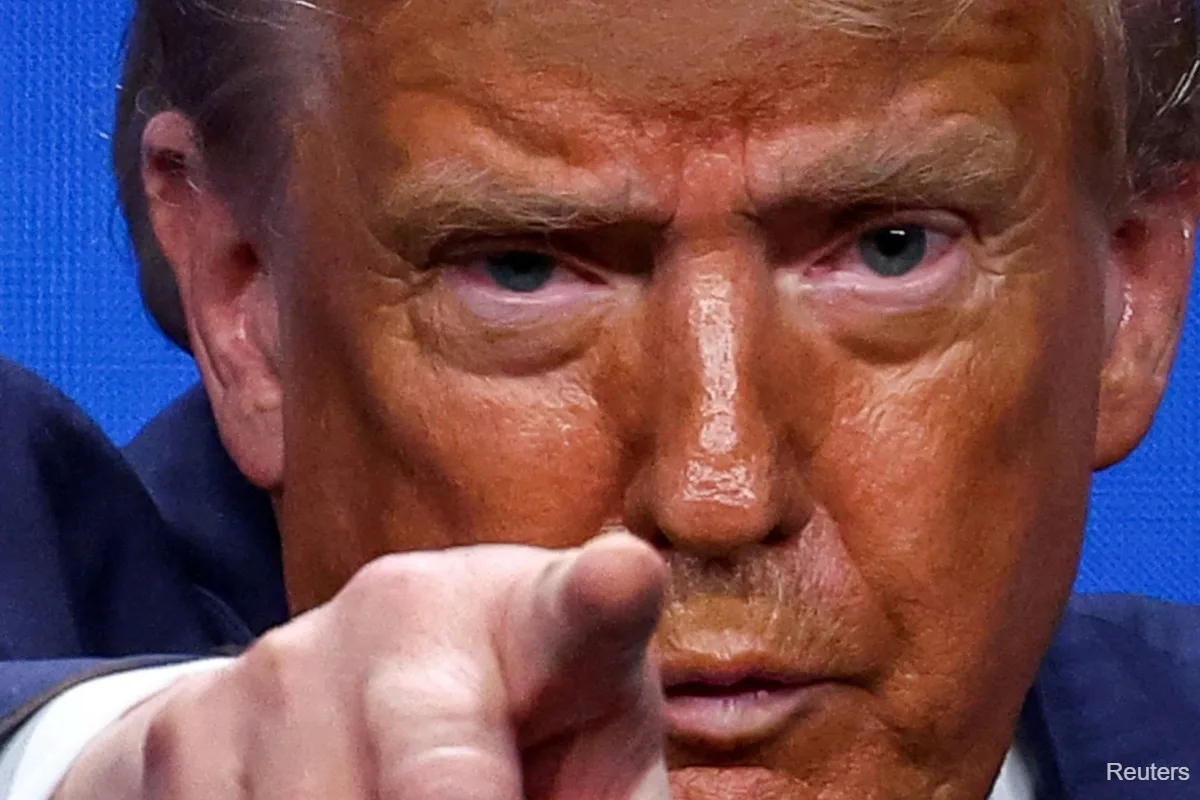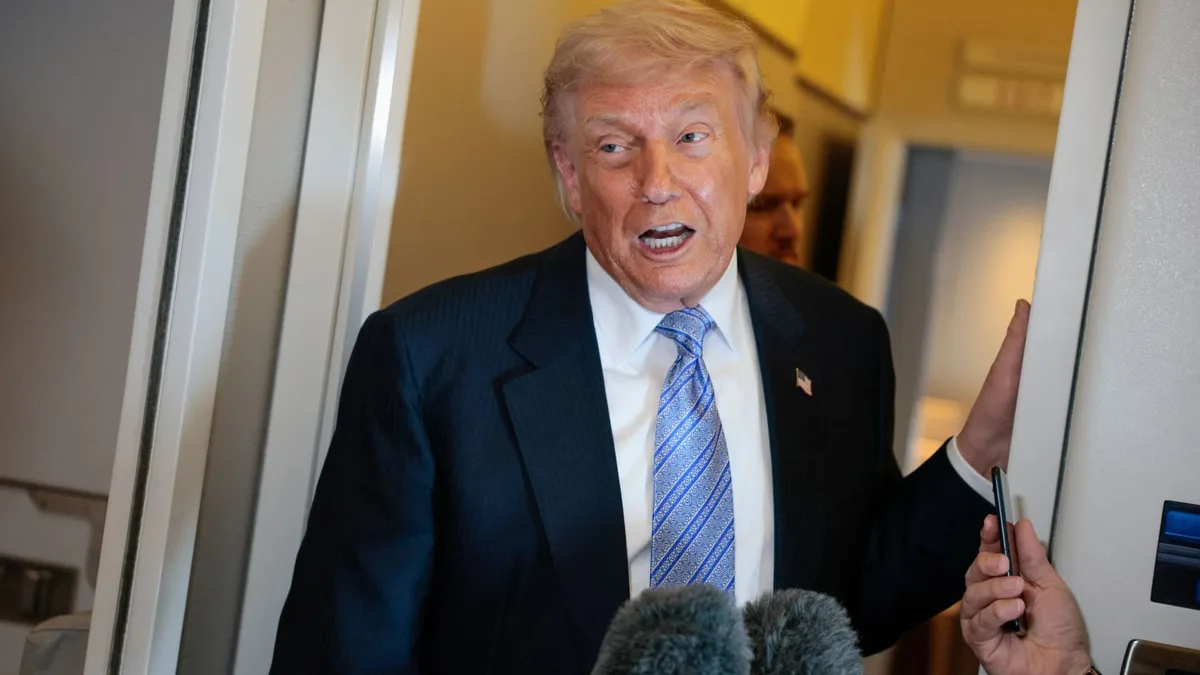
The US government acquired about a 10% equity stake in Intel in 2025 after converting $5.7 billion in CHIPS Act grants and adding $3.2 billion in subsidies to equity, totaling around $10 billion in investment [1, 2, 3, 4]. This deal resulted from negotiations between then-President Trump and Intel CEO Lip-Bu Tan, who agreed to give the US a free 10% ownership share, according to Trump [2, 3]. Trump recalled telling Fortune in a May 18, 2026, interview, "S---, I should have asked for more," expressing regret over not demanding a larger stake [2, 5].
Within eight months of the investment, the value of the US government stake soared to over $50 billion amid a chip market boom driven by AI demand, Intel's strong sales growth, and constrained CPU supply [1, 6]. Intel's stock price has more than tripled since the government's equity acquisition, with April 2026 marking the company's best single month on Nasdaq in 55 years [2, 3, 4].
Trump claimed that if he had been president earlier, he would have imposed tariffs on chip imports from China to protect Intel's market share. He said such actions would have made Intel "the biggest company in the world right now," blocking Taiwanese giant TSMC's dominance [1, 2, 3]. As of May 2026, TSMC's market capitalization stands at about $1.84 trillion, more than triple Intel's $547 billion [2, 3, 4].
The chip surge is linked to the rise of AI technologies, fueling increased CPU demand. Intel has capitalized on this trend with preliminary deals to manufacture chips for Apple and plans to supply Tesla's $119 billion Terafab project [2, 3, 4]. Trump highlighted the strategic importance of U.S. leadership in AI, saying, "The US is beating China on AI by a lot. It's important that we win" [2].
The US Commerce Secretary announced the equity conversion in August 2025, marking the official entry of government equity into Intel [2, 3, 4]. The rapid increase in the stake's value and related market momentum underscores Intel's rebound in the semiconductor sector.
The next major deadline is Intel's continued execution of manufacturing agreements tied to AI chip demand and the progression of Tesla's Terafab project, as both could impact Intel's market position and US semiconductor competitiveness in 2026 and beyond.