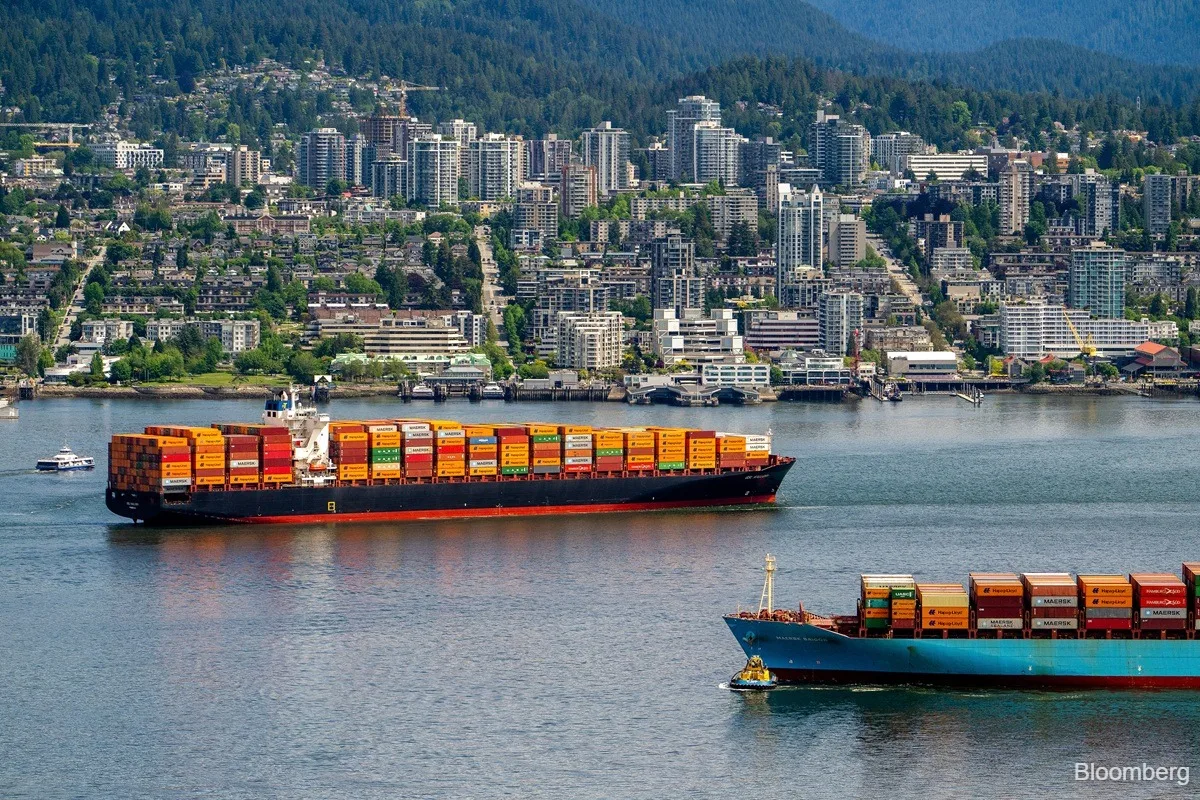
US President Donald Trump signed a proclamation on July 20 imposing a 50% tariff on many Canadian products under Section 338 of the Tariff Act of 1930, marking the first time this provision has been used [1, 2, 3, 4, 5, 6, 7, 8]. The tariffs target about 5% of Canadian exports to the US, valued near $20 billion [5, 9].
The tariffs take effect on August 19, 30 days after the signing [1, 2, 3, 4, 5, 7, 8]. They cover a wide range of goods including wine, hockey sticks, cement, dairy products, swimming pools, furniture, fishing rods, seeds, clothing, wigs, beer, plywood, and milk [1, 2, 3, 4, 10, 5, 7, 8]. Exemptions include energy, potash, critical minerals, fish, and products already subject to US tariffs like steel and metals [1, 2, 3, 4, 5, 7, 8].
The tariffs apply regardless of whether goods qualify under the United States-Mexico-Canada Agreement (USMCA), impacting items previously protected under that trade pact [2, 3, 4, 11, 5, 8]. The US government alleges Canada discriminates against American autos, alcohol, and dairy products relative to other countries. It also accuses Canada of retaliating against prior US tariffs, such as measures addressing fentanyl smuggling [1, 2, 3, 11, 5, 6, 7, 8].
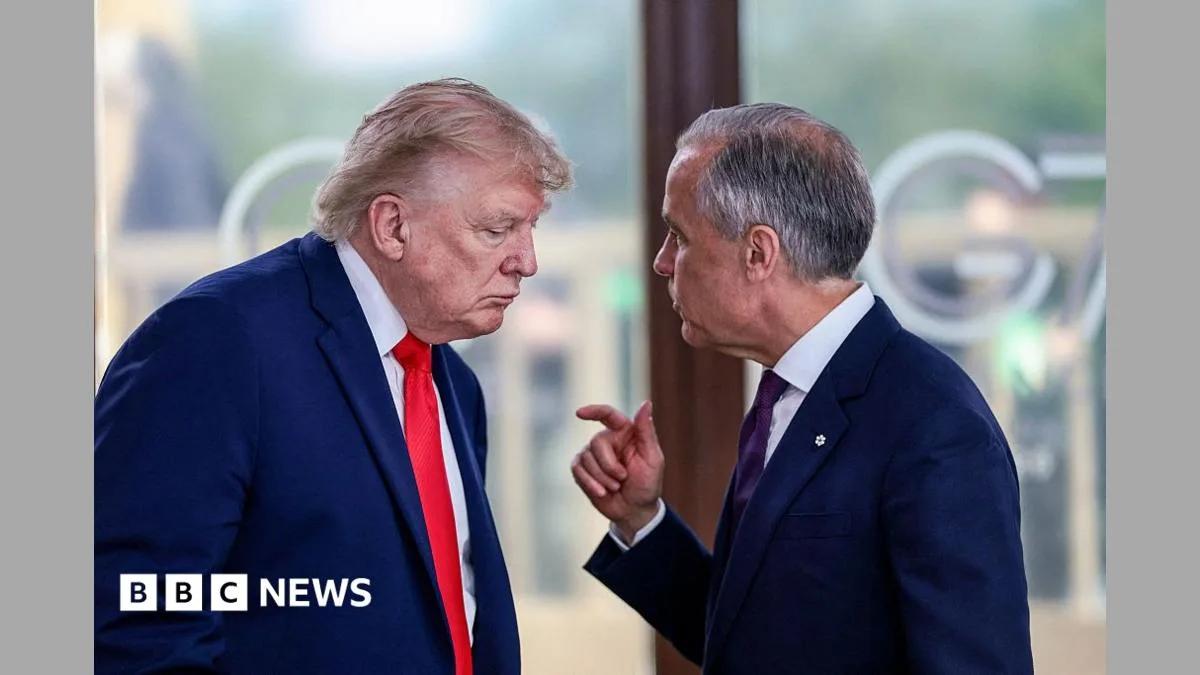
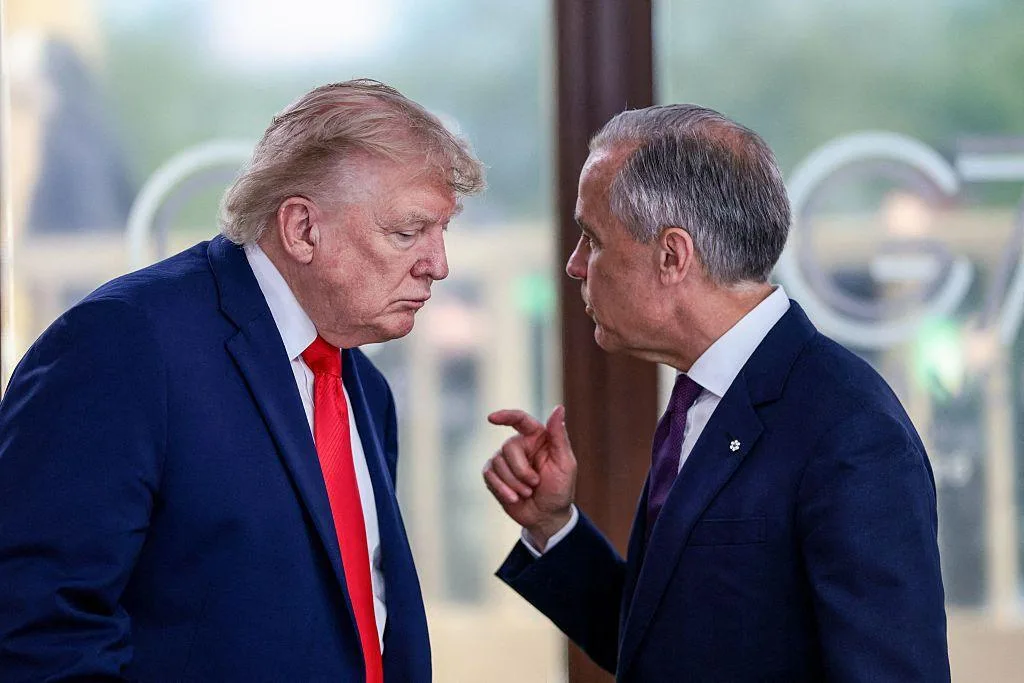
President Trump linked the tariffs to Canadian wildfires whose smoke drifted into the US but said the tariffs themselves are officially unrelated to the fires [2, 3, 4, 10, 11, 8]. Trump stated, "We are holding Canada responsible for the fact that they are not properly maintaining their Forests" and complained about "filthy, polluted, and unhealthy air" entering the US [2]. He also told Canadian Prime Minister Mark Carney on August 16 during the World Cup final, "You got to stop these fires from coming in and, you know, poisoning our air" [2, 4, 10, 11].
Canadian Prime Minister Mark Carney condemned the tariffs as violating the USMCA and said Canada is ready to intensify trade talks with the US to resolve the dispute [11, 5, 9]. Ontario Premier Doug Ford urged Canada to respond "tariff for tariff, dollar for dollar" if the tariffs proceed [11].
US Trade Representative Jamieson Greer said, "While the Administration continues to secure fair and reciprocal trade deals..., Canada... continues to retaliate against the United States for its efforts to rebalance trade and protect US industry" [3]. Trade expert William Pellerin called the move "a big escalation" but noted "things would probably get worse before they got better" [10].
Canadian imports of US motor vehicles dropped 22% and alcoholic beverages 81% in the past year, data cited by US sources shows [3, 5]. Analysts warn the tariffs could worsen already strained US-Canada trade relations and push Canada to diversify its trade towards the EU and Asia-Pacific markets [10, 11, 9].
The tariffs will officially take effect on August 19, leaving Canada and the US less than two weeks to negotiate before the duties begin.