Trade negotiations between the United States and Canada broke down late on August 21, 2026, after Canada suspended talks citing last-minute changes in US demands that it described as unfair and uneconomic. Canadian Prime Minister Mark Carney said, "Last-minute changes in the US proposed terms were unfair, uneconomic, and called into question the reliability of any deal," and confirmed Canadian negotiators were returning to Ottawa [1, 2, 3, 4].
The US Trade Representative Jamieson Greer blamed Canada for introducing new demands and walk backs that disrupted the agreement, saying, "Canada declined to finalize the trade deal under the terms agreed earlier this week... new demands and walk backs of other commitments by Canada have upended the careful balance reached in the past days" [1, 2, 3, 5].
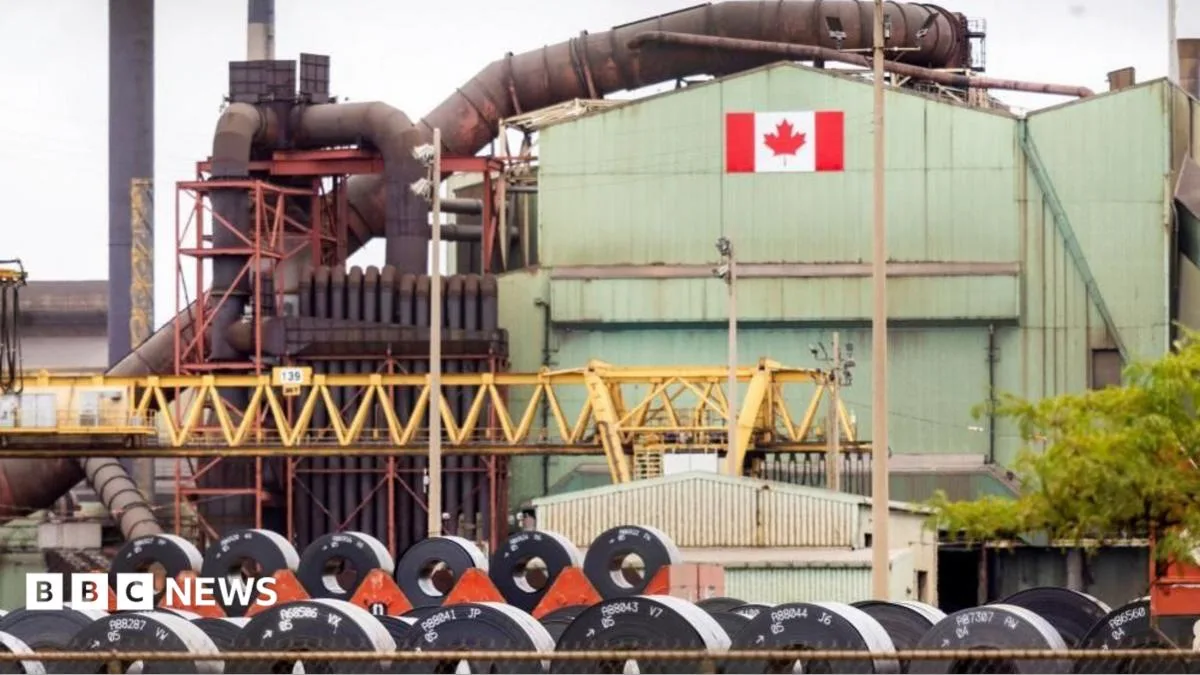
At midnight just after August 21, the US imposed 50% tariffs on around $20 billion (C$28 billion) of Canadian goods, affecting roughly 5% of Canadian exports to the US annually. Products hit include steel, aluminum, automobiles, lumber, wine, dairy, cement, clothing, and hockey equipment [1, 6, 7, 3, 8, 4, 5].
Canada announced retaliatory "dollar for dollar" tariffs on C$28 billion ($20 billion) worth of US goods. The Canadian tariffs, targeting comparable categories such as steel, furniture, fresh tuna, and cotton T-shirts, are set to take effect September 8, 2026. Prime Minister Carney said, "We cannot accept what they’ve offered and we will not give what they’ve asked," adding Canada is prepared to resume talks if the US adopts the "right attitude" and a true partnership approach [1, 9, 7, 2, 3, 10].
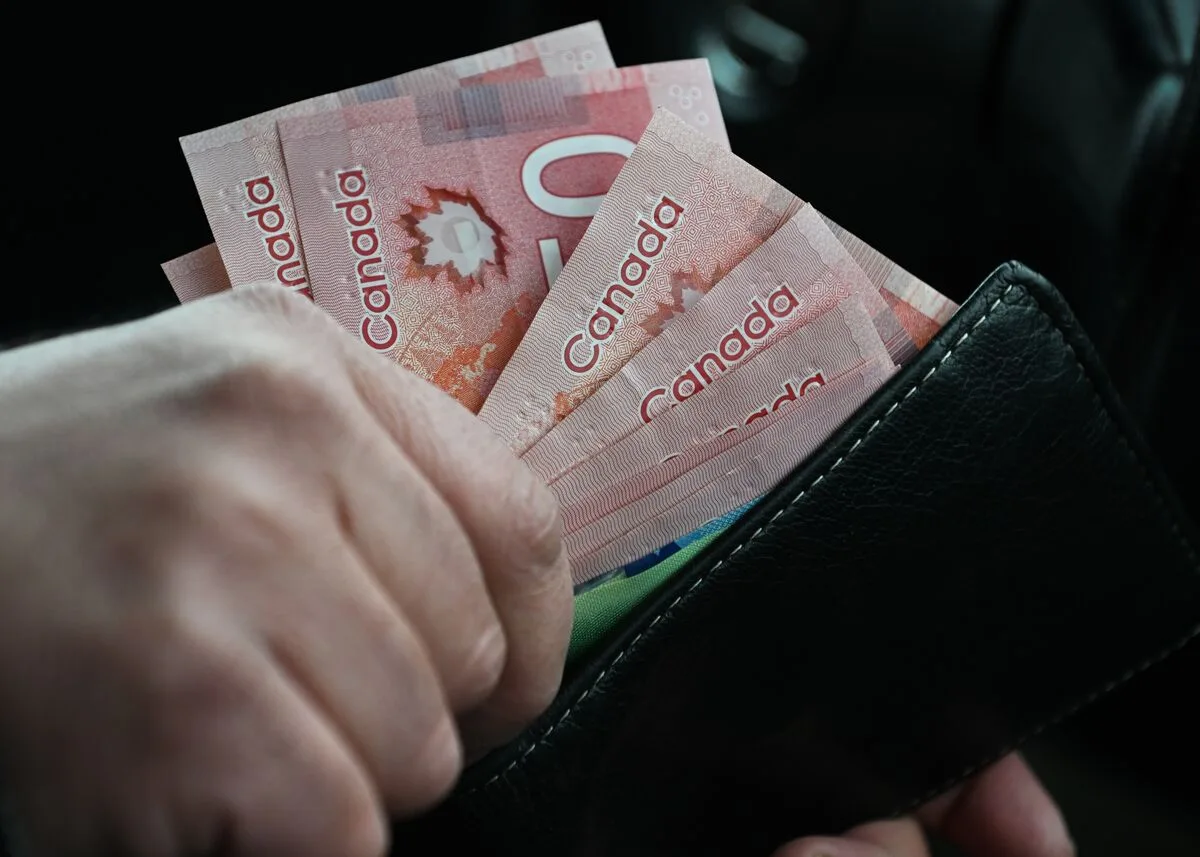
The dispute has sparked economic uncertainty for Canadian businesses reliant on US buyers, with fears some could lose half their sales. The Canadian dollar dropped sharply against the US dollar following the tariffs [6, 11]. In response, Canada unveiled a C$7.5 billion support package to help affected businesses and workers [7].
Meanwhile, former US President Donald Trump criticized Canada on social media, saying, "Canada wants the benefits of being a State, without being one!!! They have also charged our great farmers, for many years, massive amounts of tariffs. No more!!!" He threatened to raise US tariffs on Canadian cars, trucks, auto parts, and steel from 25% to 50%, effective January 1, 2027, warning Canadians to "Build in the US and there are ZERO TARIFFS" [9, 7, 5, 12, 10].
The next concrete development is Canada’s retaliatory tariff implementation scheduled for September 8, 2026.