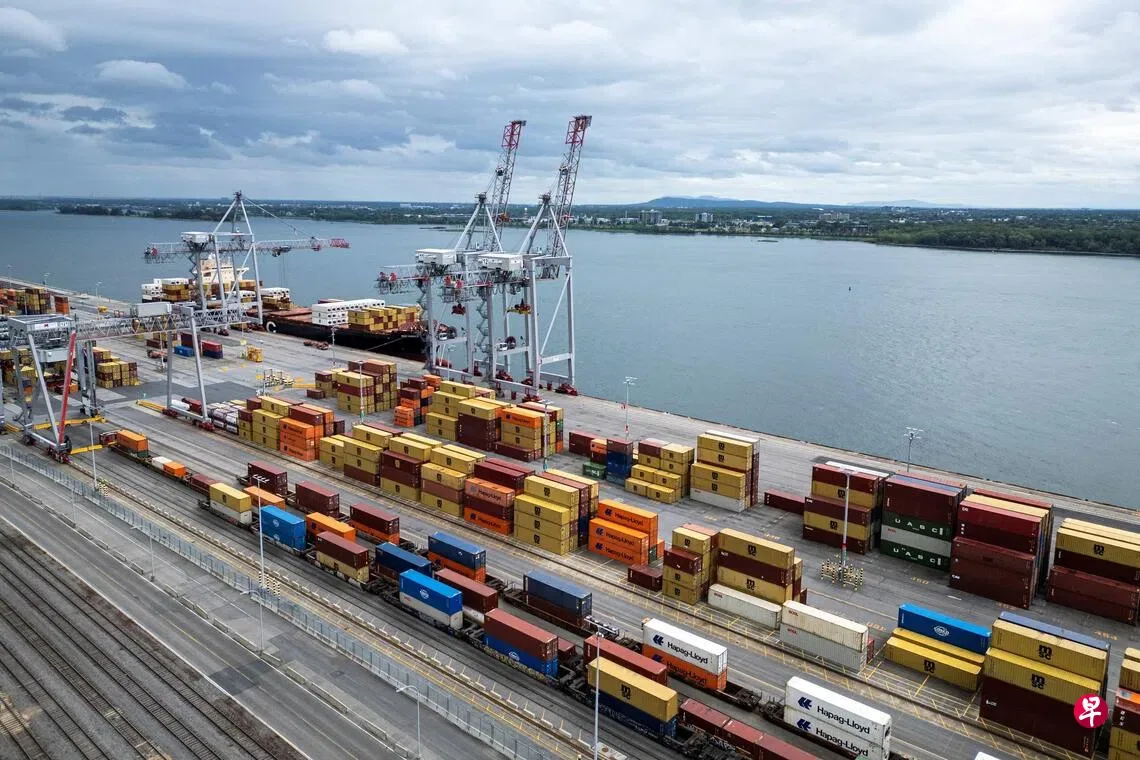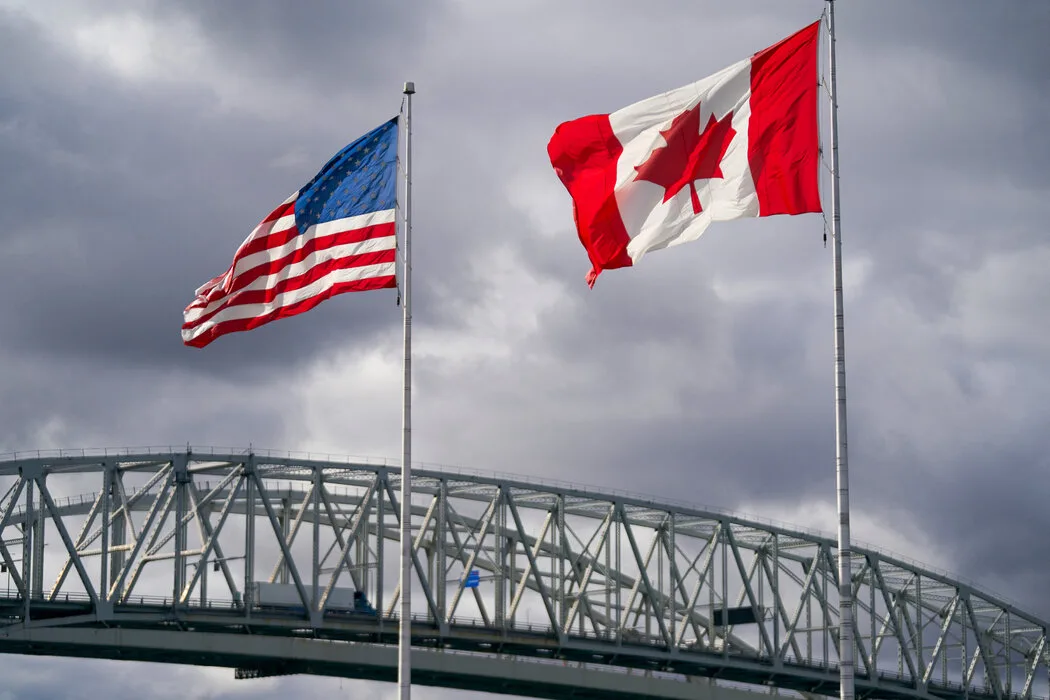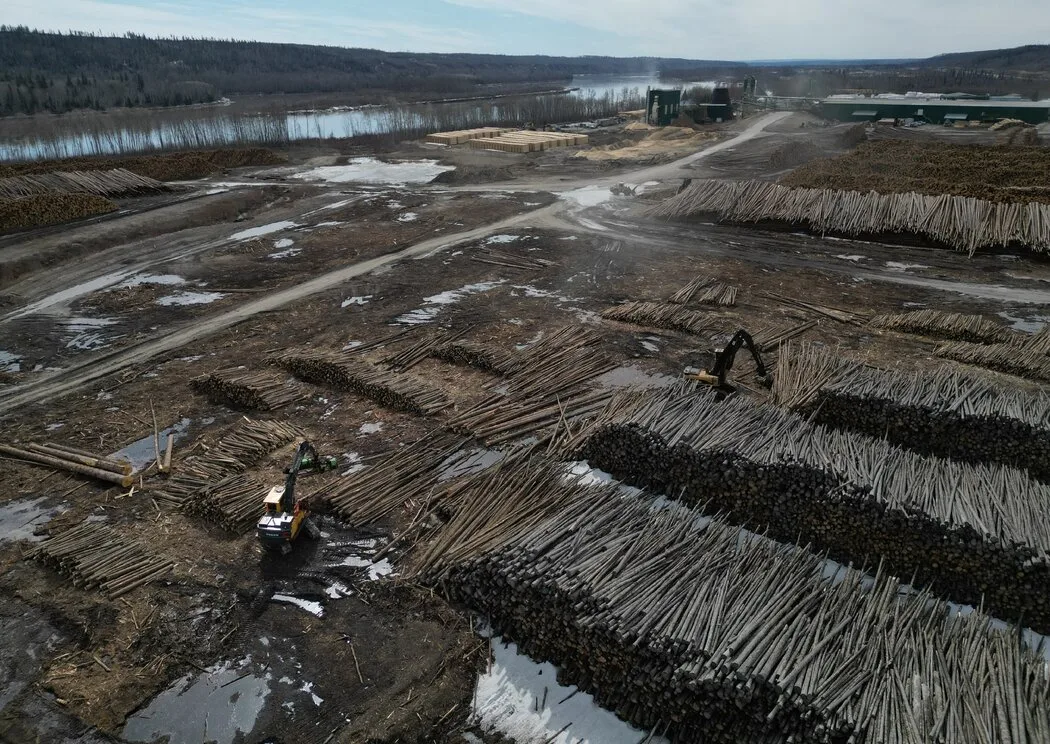
The United States imposed 50% tariffs on approximately 200 billion Canadian dollars (about 254 billion Singapore dollars) worth of Canadian products starting August 22, 2026. The tariffs cover steel, aluminum, woodworking materials, dairy, wine, electronics, sporting goods, and more [1, 2, 3, 4, 5].
Canada immediately suspended trade negotiations and announced retaliatory tariffs on US goods effective September 8. These tariffs will target steel, dairy, electronics, household appliances, agricultural equipment, and pulp and paper [1, 2, 6, 7, 8].
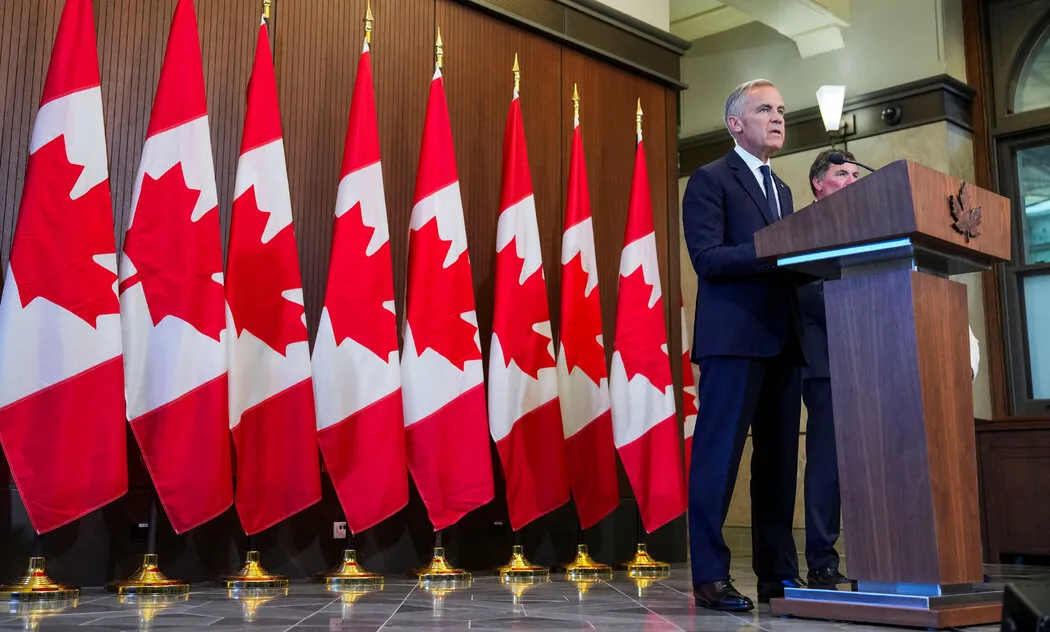
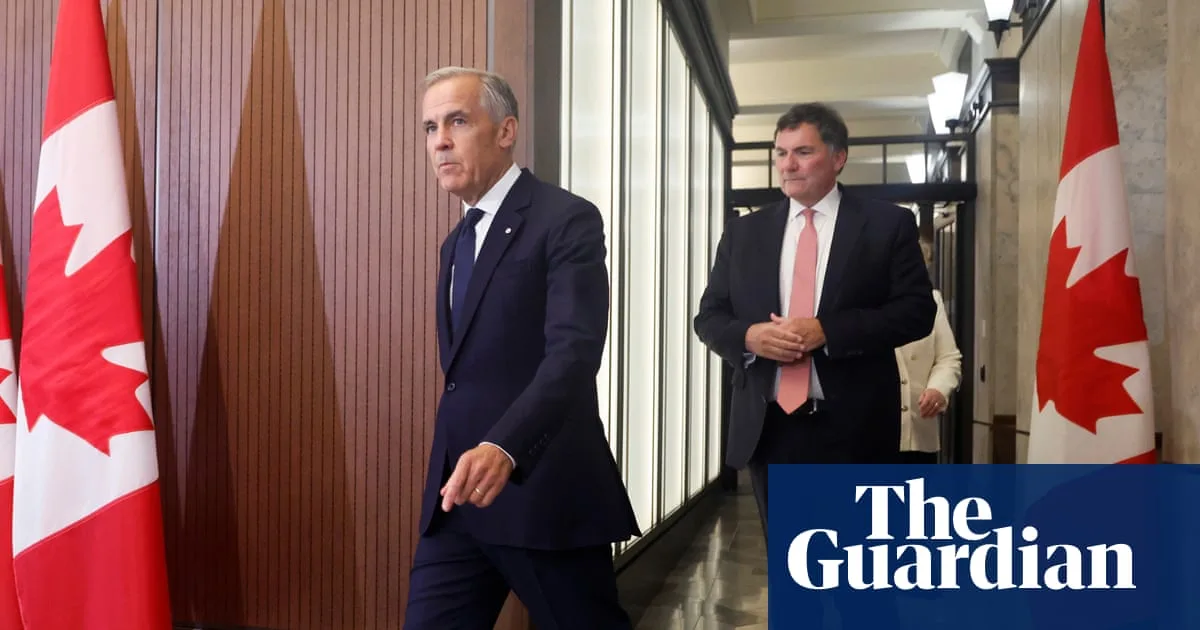
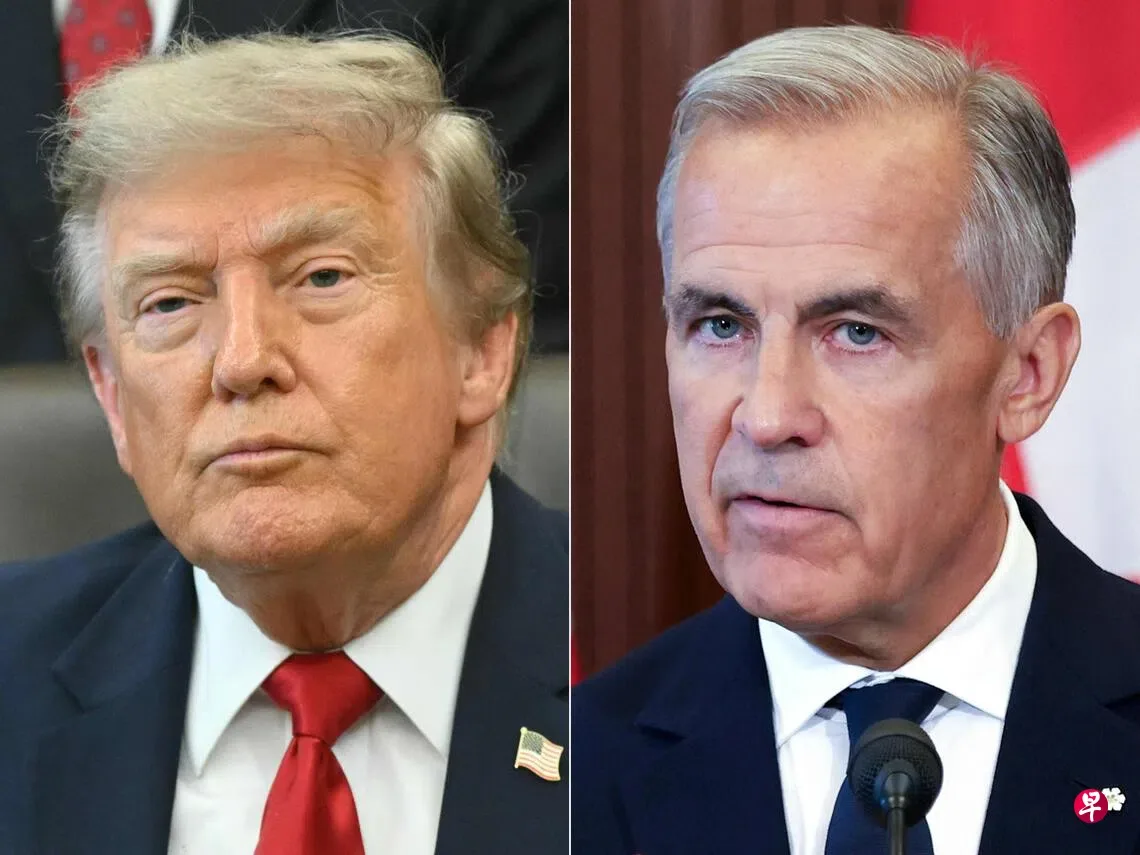
The trade talks broke down largely due to last-minute US demands that Canada viewed as unfair. These included restrictions related to Canadian cultural protections, such as Quebec’s French language laws, and limits on Canada’s ability to strike other trade agreements internationally [1, 2, 9, 10, 11]. Canadian Prime Minister Mark Carney said, “We cannot accept the conditions they have put forward, nor will we meet their demands” and that “when you are under attack, you are in a war, and we are under attack” [1, 9].
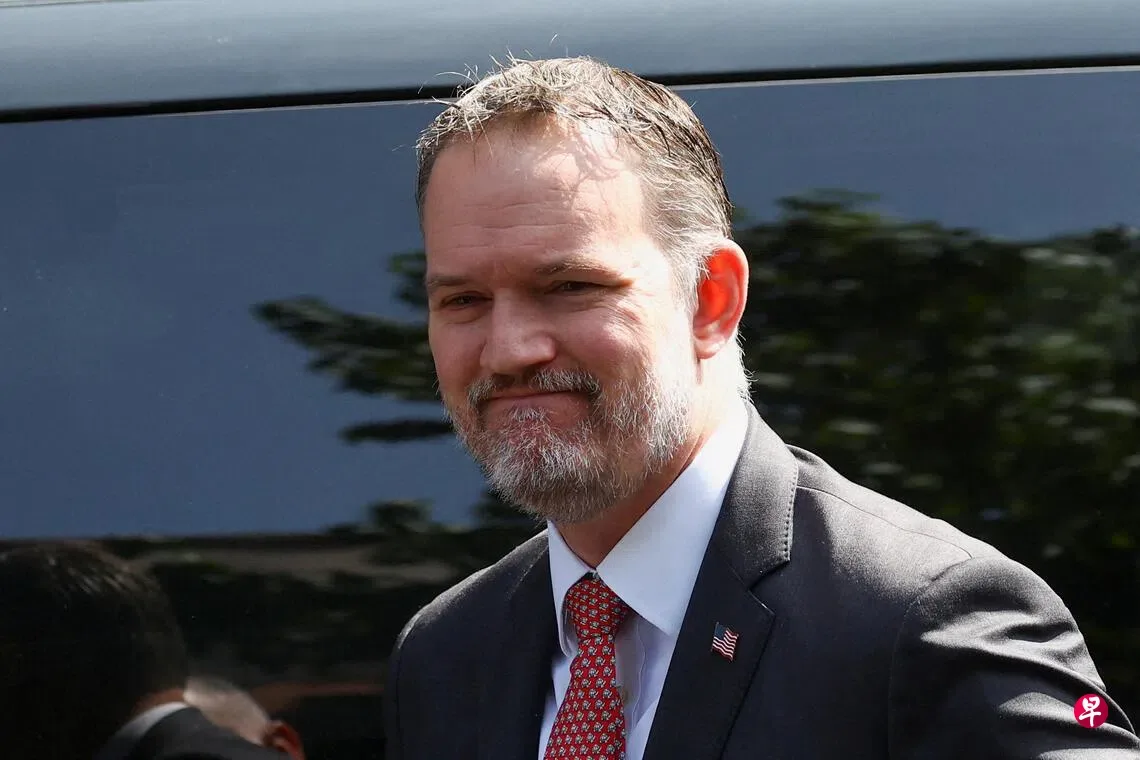
US Trade Representative Jamieson Greer said Canada refused to accept previously negotiated terms and blocked finalizing the deal despite US offers to reduce existing tariffs on steel, aluminum, and autos. He said, “Tonight, Canada refused to finalize the trade agreement under terms reached earlier this week” [3, 10].
US officials including Transportation Secretary Duffy warned Canada that resisting further would be “foolish” and could be “devastating” to its economy. President Trump criticized Canada on social media, saying it wants “to enjoy the benefits of being a state without actually being a state,” and cited Canadian tariffs on US farmers [6, 7].
Canadian provincial leaders and opposition politicians backed Carney’s firm stance, with some urging export taxes on energy and critical materials to pressure the US. Quebec Premier Christine Fréchette said, “Our culture, our language is central to our identity and it is important to exclude that from the negotiation table” [9, 11, 8].
Approximately 70% of Canadian exports go to the US, and the new US tariffs affect about 5.5% of those exports [2, 6, 7]. Analysts disagree on economic impact; some say growth will not be significantly affected, while others warn up to 90,000 jobs could be lost if tariffs persist [2, 6].
The Canadian government plans to announce economic support and industry aid programs for affected sectors within days, possibly lasting years [1, 8].
The US tariffs took effect at midnight SGT on August 22, with Canadian retaliatory tariffs set for September 8 [1, 2, 6, 10]. Chinese state media commented that Canada’s response mirrored China’s style of counterattack, showing no ally is exempt from US tariffs [12].