US wholesale inflation cooled significantly in July, with the producer price index rising 4.7% year-on-year, down from 5.5% in June and unchanged month-on-month [1, 2]. Consumer inflation increased just 0.1% in July, matching estimates after a 0.4% decline in June [3, 4, 5].
These data eased market expectations for US Federal Reserve interest rate hikes. Odds of a rate increase at the September meeting dropped to about 40%, down from 46-54% before the inflation figures [1, 3, 4, 5, 2, 6]. Bank of America economist Stephen Juneau said the data shifts the focus to upcoming releases ahead of the Fed meeting, noting that markets have started discounting fewer hikes due to recent dovish signals [1].
However, Federal Reserve officials remain divided. Richmond Fed President Tom Barkin favors holding rates steady as inflation eases, while Cleveland Fed President Beth Hamack urged immediate hikes to restrain excessive growth and inflation pressures [1, 7].
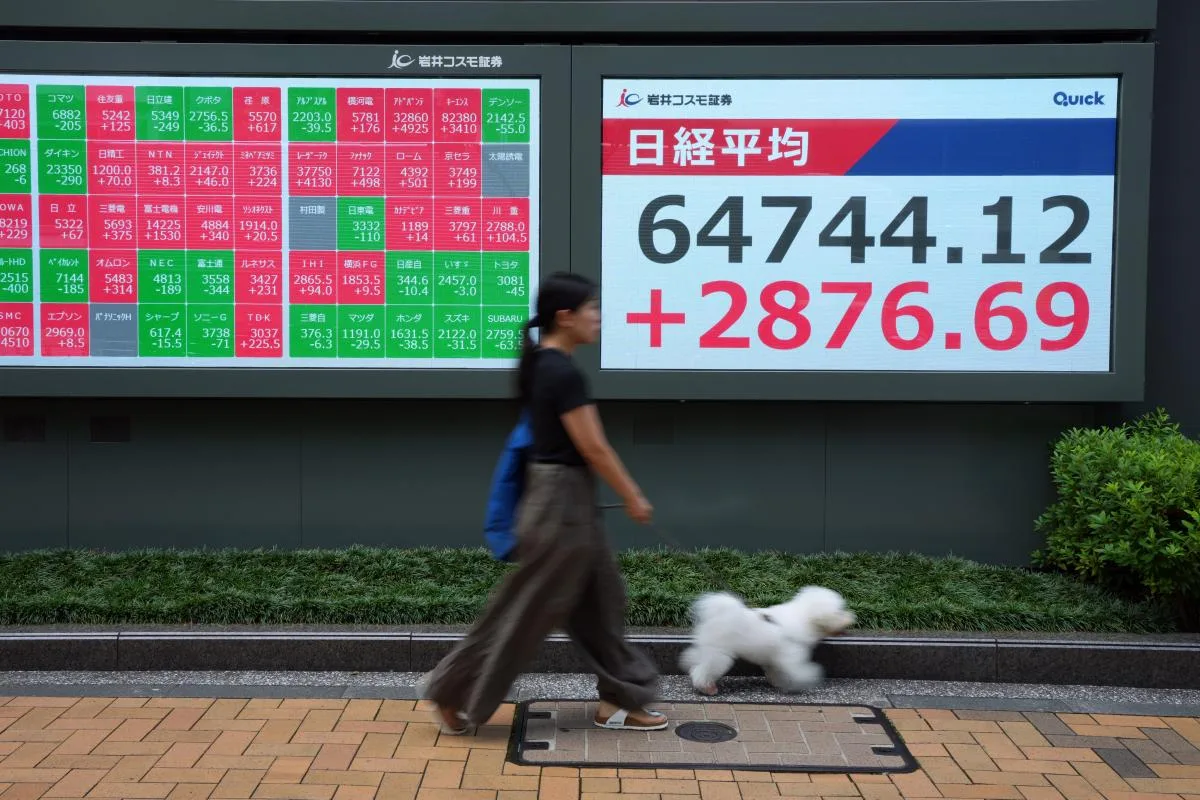
Lower inflation boosted risk appetite globally. Asian stock markets opened August 14 poised for gains, supported by softer US inflation and falling oil prices [1, 8]. US equity indexes rose on August 13-14, with the S&P 500 reaching record highs and the Nasdaq 100 climbing to its highest since late June [1, 8].
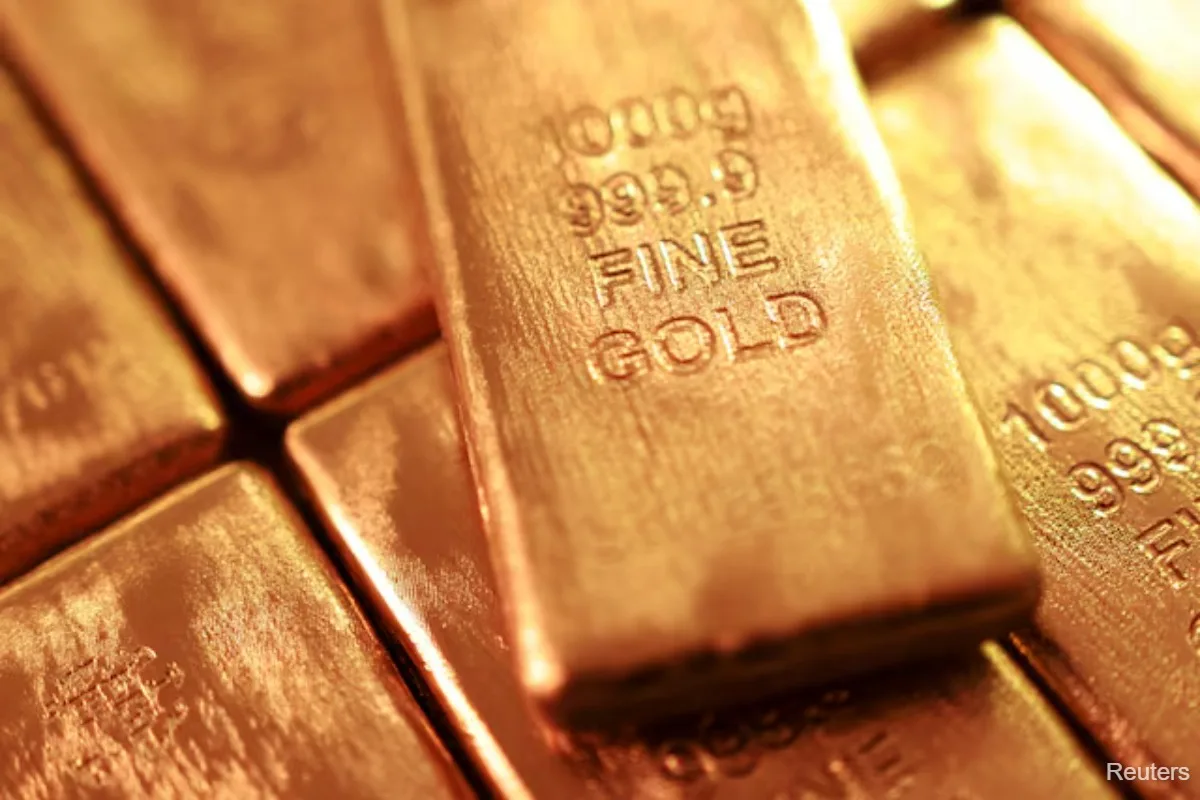
Gold prices rose to a more than two-month high on August 12-13 amid easing inflation and reduced Fed tightening bets, before retreating slightly on August 14 due to profit taking [7, 3, 4, 5, 2, 6]. Spot gold traded near $4,400 per ounce, touching above $4,450 on August 13 [7, 4, 5, 2, 6]. Analysts cited the alignment of inflation data with estimates, technical factors, and a weaker dollar for supporting gold's rise [3, 5].
Central banks continue to steadily increase gold holdings. Patrick Kennedy of AllSource Investment Management noted the People's Bank of China added 19.9 tons in July, its largest single-month purchase since October 2023 and the 21st consecutive month of accumulation [7, 9, 2, 6]. Former White House advisor Pippa Malmgren remarked that fears of US fiscal spending and weak global growth drive inflation worries that underpin gold demand [9].
Geopolitical tensions between the US and Iran persist, with threats of naval blockades and stalled ceasefire talks affecting oil prices and inflation concerns [7, 3, 5, 2, 6].
Several Asian companies reported mixed financial results for the first half of 2026 ahead of market open on August 14. Olam Group’s net profit surged by 488.8% due to one-off gains. First Resources' net profit grew 57.4%, UMS Integration’s second-quarter net profit rose 89%, while Genting Singapore’s profit fell 34%, and Thai Beverage saw a 1.8% revenue decline [8].
Markets will watch upcoming US economic data ahead of the Federal Reserve's September meeting for fresh signals on inflation trends and potential policy moves [1].