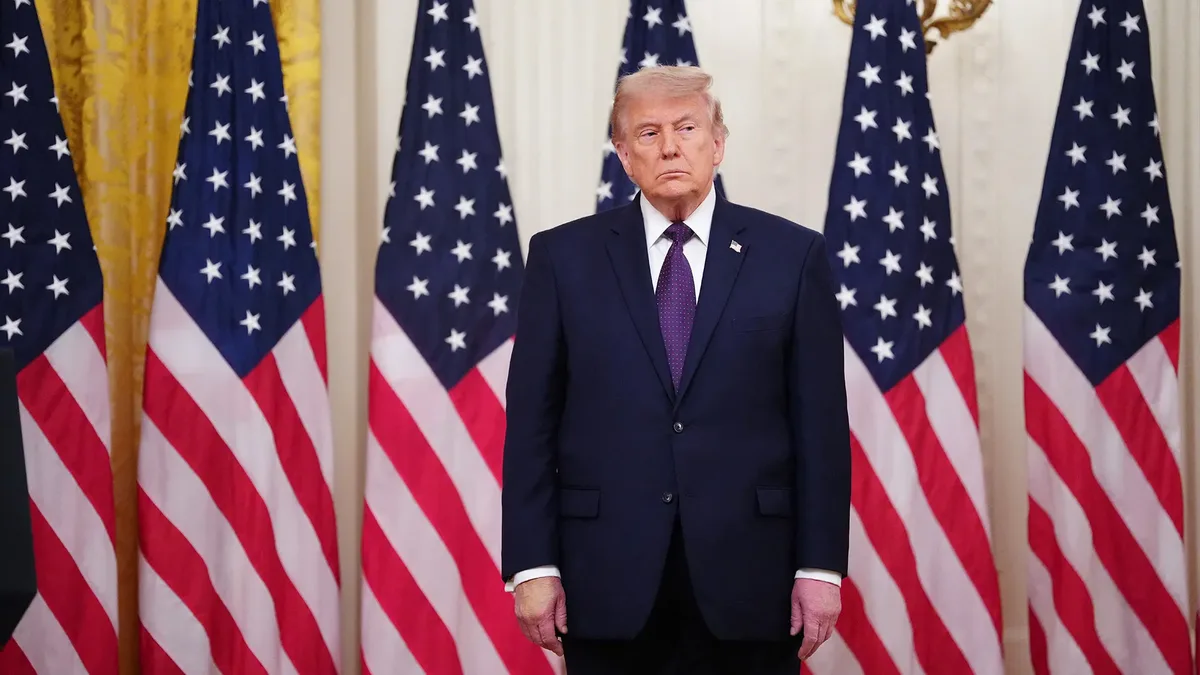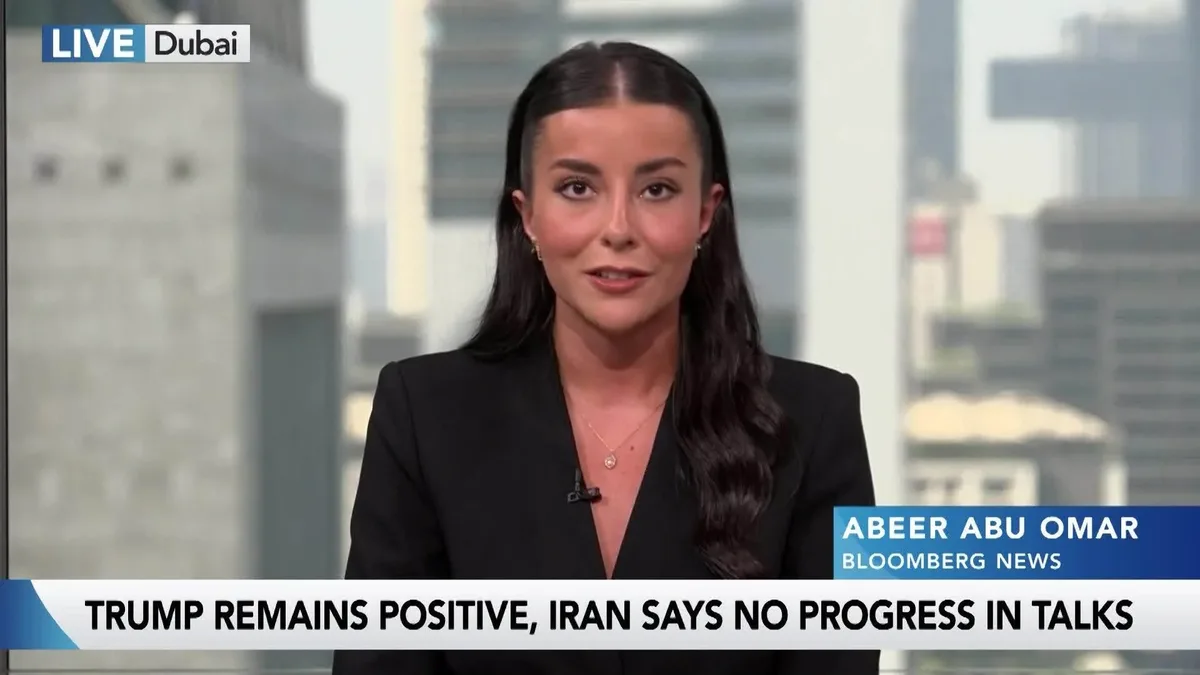
US President Donald Trump is weighing a framework deal with Iran aimed at extending the ceasefire and reopening the Strait of Hormuz without tolls, officials said in late May 2026 [1, 2, 3, 4, 5]. The proposal includes coordinating on disposal of Iran's enriched uranium, lifting US blockades on Iranian ports, and maintaining a ceasefire extension [3, 5]. Trump told advisers he is in no rush and will only accept a "great" deal that ensures Iran never obtains nuclear weapons [2, 3, 4]. He said, "President Trump will only make a good deal for the American people, which must ensure that Iran can never have a nuclear weapon" [3].
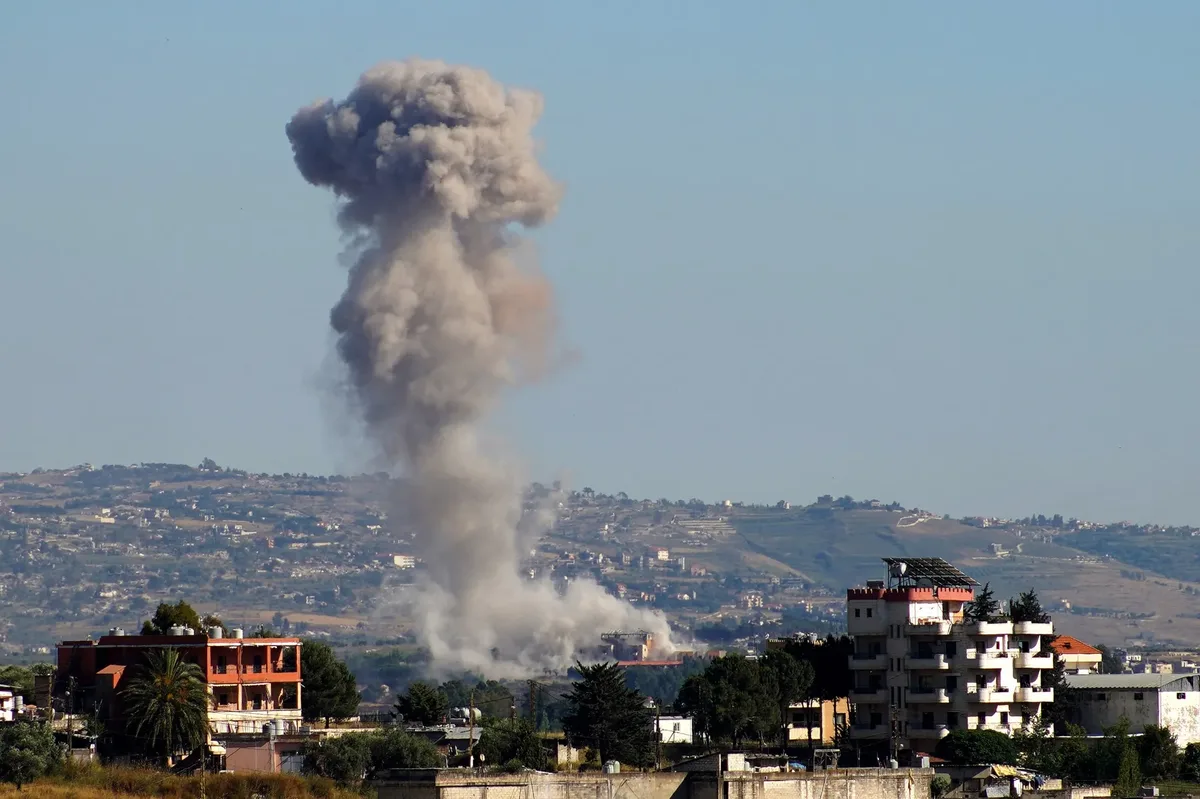
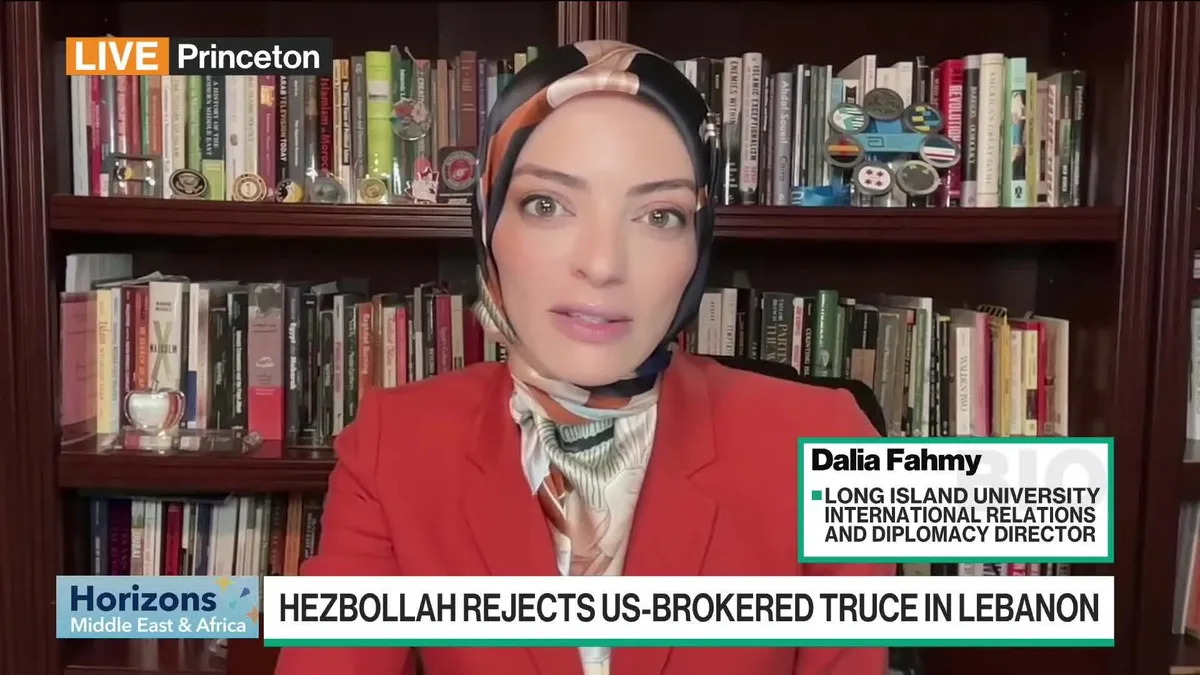
However, Iranian officials deny a final agreement has been reached. Iranian foreign ministry spokesman Esmaeil Baqaei said, "Regarding the understanding... exchanges of messages are continuing, but no final agreement has been reached yet" [6, 7, 5]. Iran demands release of approximately $12 billion in frozen assets before progressing further in negotiations [5]. There has been no major breakthrough in talks amid ongoing regional violence including Hezbollah’s rejection of a US-brokered truce and missile strikes on Kuwait and Bahrain [6, 7, 8].
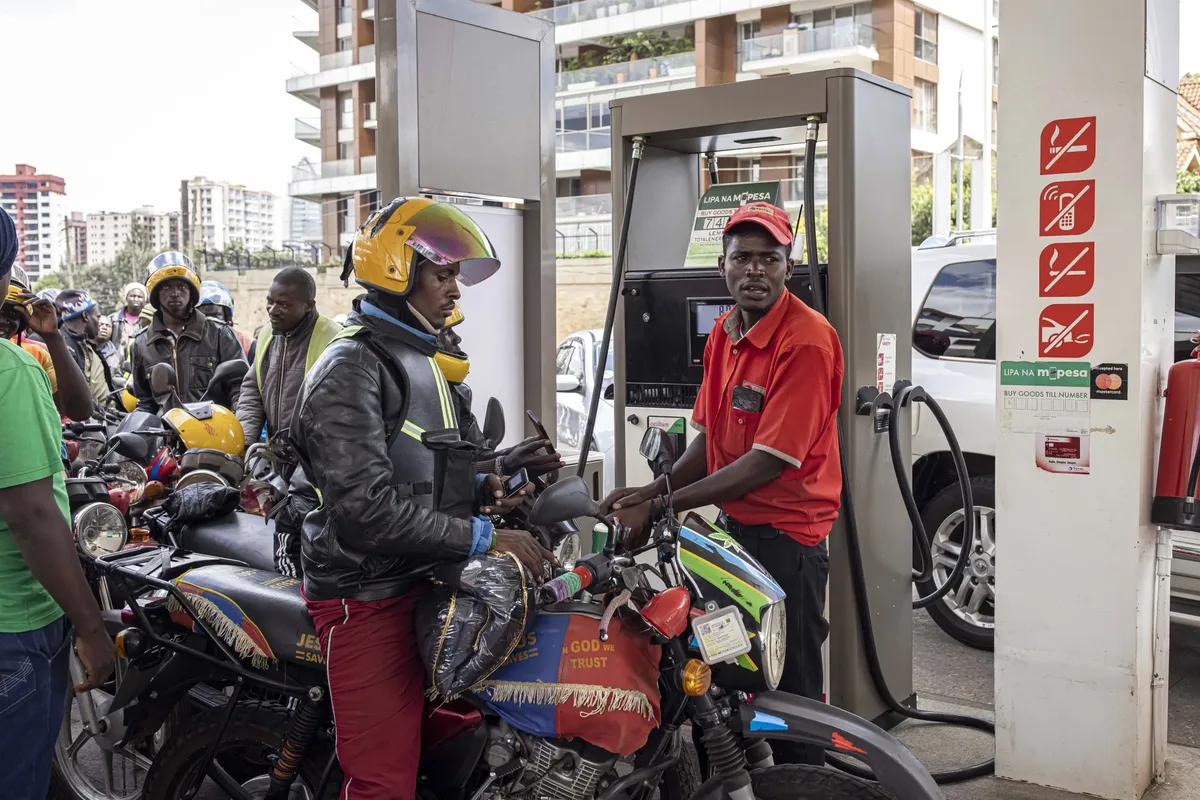
The conflict has impacted US economic conditions. Since US and Israel launched attacks on Iran on February 28, closing the Strait of Hormuz, gasoline prices have surged over 50%, pushing US Personal Consumption Expenditures inflation to its fastest pace in three years with a 3.8% year-on-year rise in April 2026 [9, 10]. Rising inflation and energy costs have eroded household incomes and increased dissatisfaction with Trump’s economic handling, threatening Republican prospects ahead of November’s midterm elections [9, 10, 2].
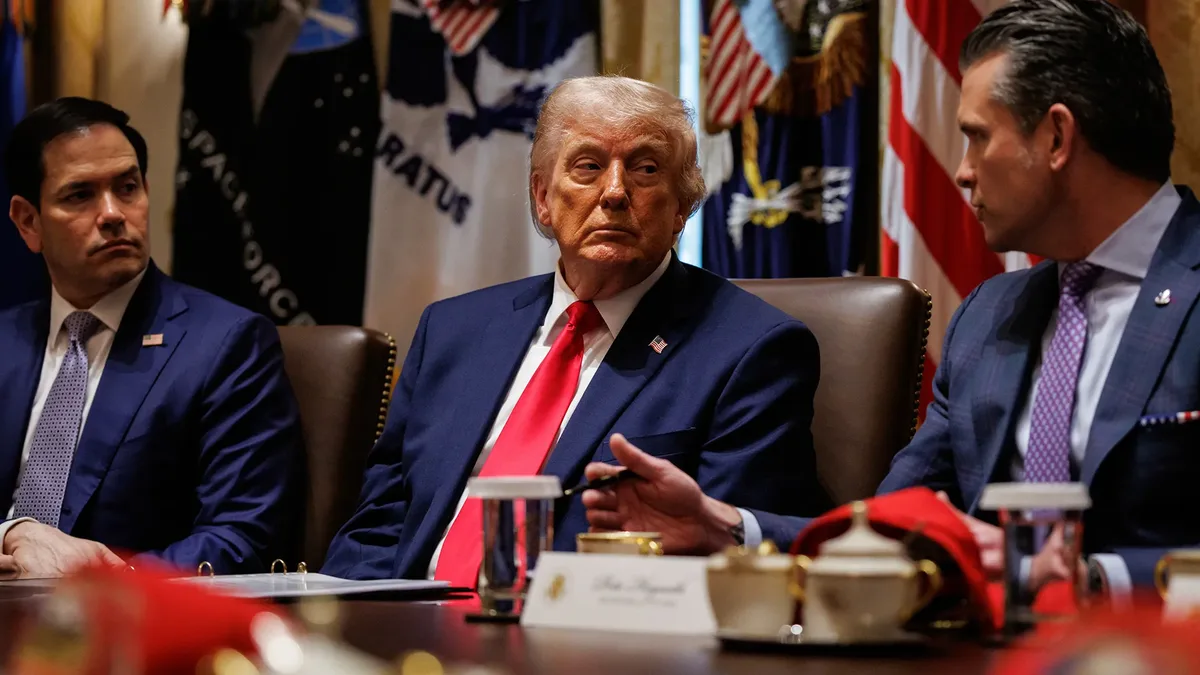
Trump held a two-hour Situation Room meeting on May 29 but did not finalize an agreement, emphasizing conditions such as Iran’s nuclear disarmament [5]. Analysts note his fluctuating rhetoric reflects pressure to resolve the conflict while facing criticism from hawkish Republicans opposed to concessions resembling the 2015 nuclear deal [3]. Johns Hopkins expert Laura Blumenfeld said, "Trump’s rhetorical swings and abrupt reversals of the past week suggest a president trying to park a wide war in a tight spot" [3].
As of June 4, Iran reported no progress in peace talks with the US, and Hezbollah continued to reject a US-brokered ceasefire, with violence persisting in Lebanon and between Israel and Hezbollah [6, 7, 8]. Trump remains focused on securing a deal that balances ending hostilities with domestic political and economic concerns.
Negotiators will continue discussions amid these competing demands while on-the-ground violence and economic pressures mount. The next key milestones include ongoing review of terms by Trump and Iran’s conditions for asset release before negotiations can advance further [5].