Renewed military clashes between the US and Iran from August 29 into early September 2026 sparked a surge in oil prices and widespread volatility in global financial markets. The US launched airstrikes on Iran’s Larak Island on September 1. Iran retaliated with missile attacks on US bases in Jordan and drone strikes on a US base in Bahrain the same day [1, 2, 3, 4, 5, 6].
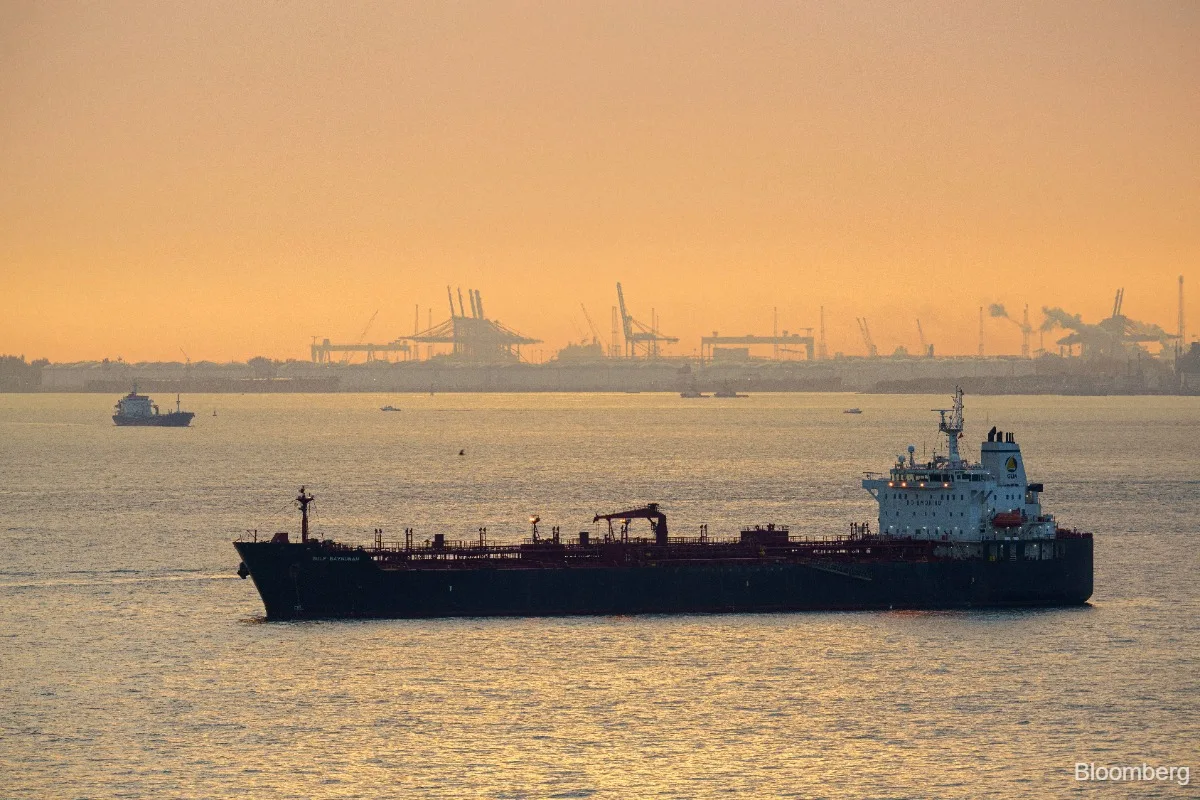
On September 1, the Liberia-flagged tanker Senegal Prosperity was struck by three unknown projectiles while passing through the Strait of Hormuz, a key global oil chokepoint east of Oman [7, 4, 6].
Brent crude traded above $95 a barrel, with West Texas Intermediate near $91, as supply disruption fears and a risk premium tied to the conflict lifted prices sharply [1, 3, 4, 5, 6]. Priyanka Sachdeva of Phillip Nova said, "The oil market is no longer pricing just the risk of war; it is increasingly pricing the cost of an unresolved war" [5].
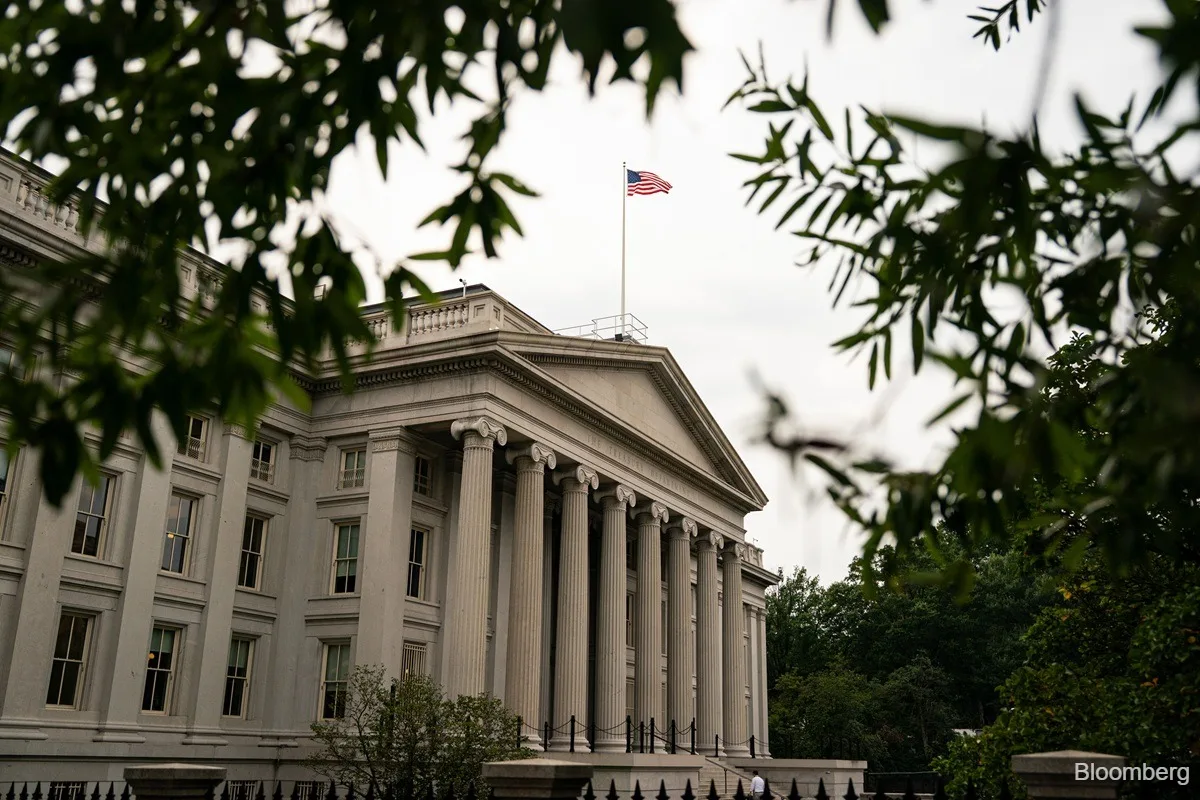
US Treasury yields climbed sharply amid rising inflation worries and geopolitical tensions. The 10-year Treasury yield hit 4.81%, near a three-year high, while the 30-year yield rose to approximately 5.25% [1, 8, 9]. Charu Chanana of Saxo noted the selloff could overshoot with a 5% yield on the 10-year bond "looking increasingly plausible before yields become sufficiently attractive to bring buyers back" [8].
Bond markets worldwide reacted strongly, with Japan’s 10-year yield reaching levels unseen in 30 years and European yields also rising to multiyear peaks [1, 8]. In contrast, gold prices declined to a three-week low of $1,304.01 per ounce on September 2, weighed down by rising yields and fears of more Federal Reserve rate hikes despite ongoing geopolitical risks [2, 10]. IG market analyst Tony Sycamore commented, "One hike in isolation should not be a game changer for gold. Two or three might be" [2].
The probability of a Federal Reserve interest rate hike in September stood at 66–67%, backed by hawkish signals from Fed officials amid inflation and uncertainty. Fed chairman Kevin Warsh said, "The Fed will 'have work to do' if policymakers don't get the confidence they need that inflation is heading down to 2%" [1, 2, 10].
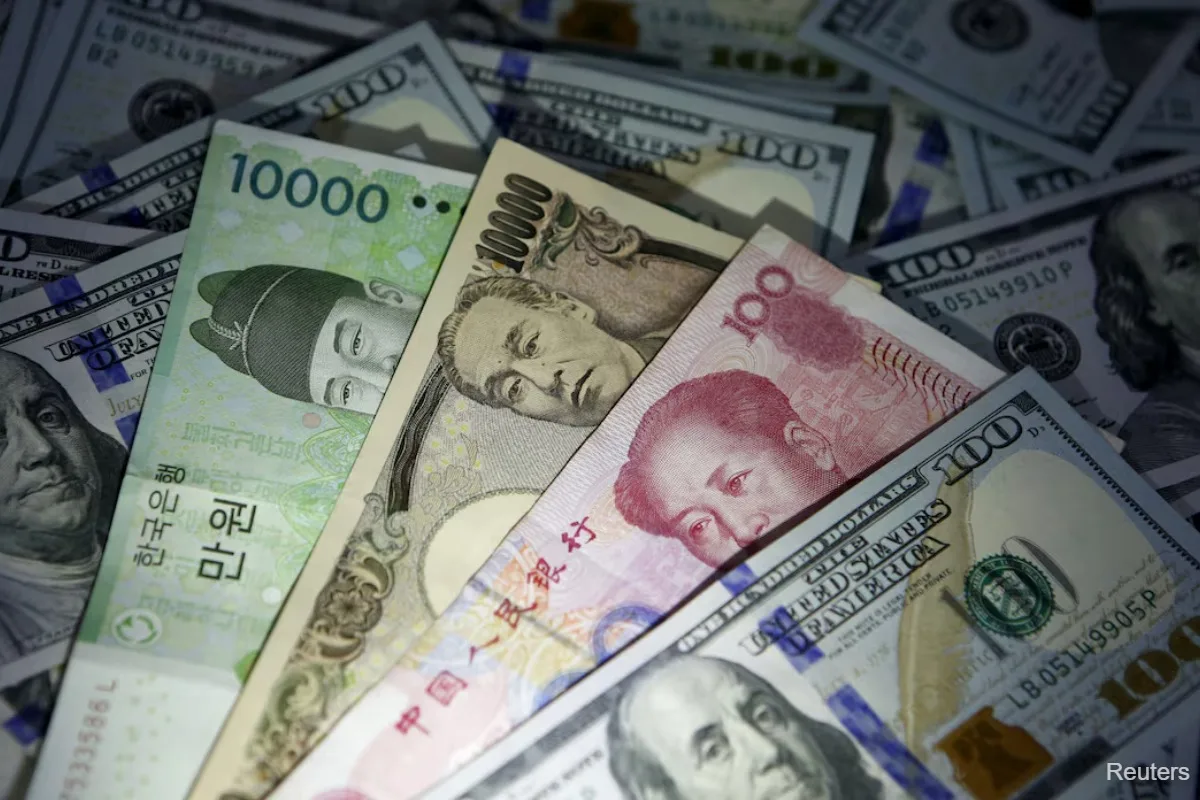
Currency markets also felt the impact. The Malaysian ringgit weakened against the US dollar on September 1 amid rising yields and uncertain Fed policy [9].
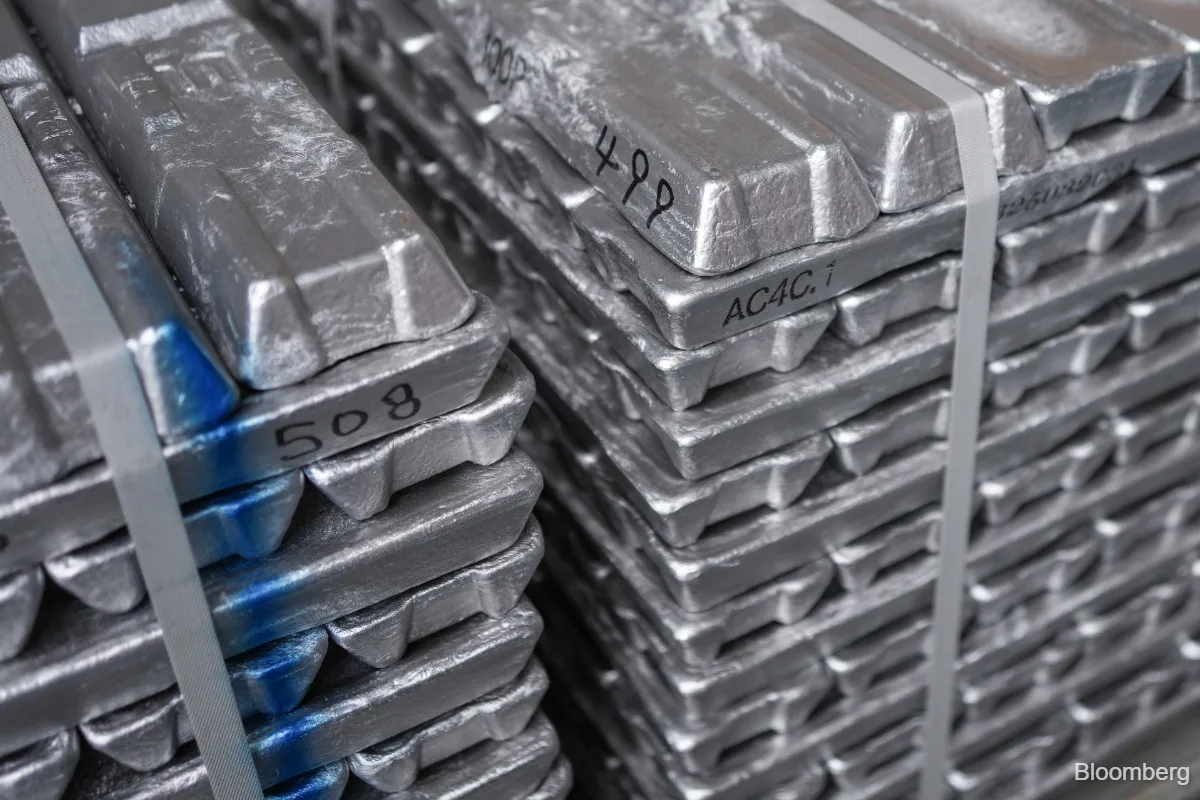
In commodities, aluminium prices rose to a three-week high of $3,306.50 per metric ton on September 3, supported by supply constraints and improving economic sentiment despite the geopolitical backdrop [11].
Meanwhile, the global aviation sector recorded a modest 0.2% year-on-year increase in air passenger demand in July 2026, reflecting a partial recovery after earlier drops tied to the Iran conflict. Marie Owens Thomsen of IATA said carriers remain confident heading into the final quarter, with nearly 3% seat capacity growth slated for September [12].
The situation remains fluid as market participants prepare for the Federal Reserve's September policy decision later this month.