The US labor market showed signs of slowing as economists surveyed expect job growth of 80,000 to 85,000 in May 2026, down from 115,000 jobs added in April and a prior two-month average of 150,000 [1, 2]. The unemployment rate is forecast to remain steady at 4.3% in May, matching the April reading [1, 2].
April saw stronger-than-expected gains of 115,000 jobs that ended nearly a year of volatile monthly swings. Wages increased 3.6% year-over-year last month but lagged April's inflation rate of 3.8%, signaling that real wages shrank for the first time since 2023 [2].
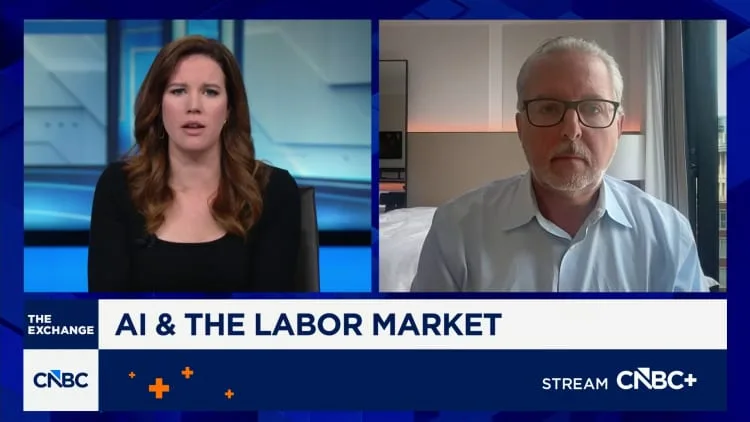
Labor market dynamics point to stagnation. Job openings rose sharply in April, yet quits dropped to their lowest level since August 2020. Laura Ullrich, director of economic research at Indeed Hiring Lab, said, "We're continuing to hear and see the low-hire, low-fire sentiment, which is that if you have a job, it's OK right now. People are continuing this kind of job-hugging trend. But if you're looking for a job, it's a very hard time to find a job because hires are so low" [1]. She added, "From a macro point of view, we're going to see stagnation, because if people aren't leaving jobs and they're not creating new jobs, it's just a quite stagnant market" [1].
Layoffs jumped 16% in May to 97,006 planned reductions, the highest May total since 2020. Of those, 38,242 were AI-related cuts—the largest number recorded by Challenger, Gray & Christmas since they began tracking [1]. Initial jobless claims also rose in late May, reaching their highest weekly total since early February 2026 [1].
Cory Stahle, senior economist at Indeed, cautioned against premature optimism, saying, "It's too early to start celebrating and saying, 'Hey, we're at this turning point. Looks like the economy is all good.' It's still not clear how some of these structural things are going to play in and also how the conflict in Iran is going to pan out" [2].
The May jobs report is expected to be released in early June, providing data to confirm these forecasts and further clarify labor market trends [1, 2].