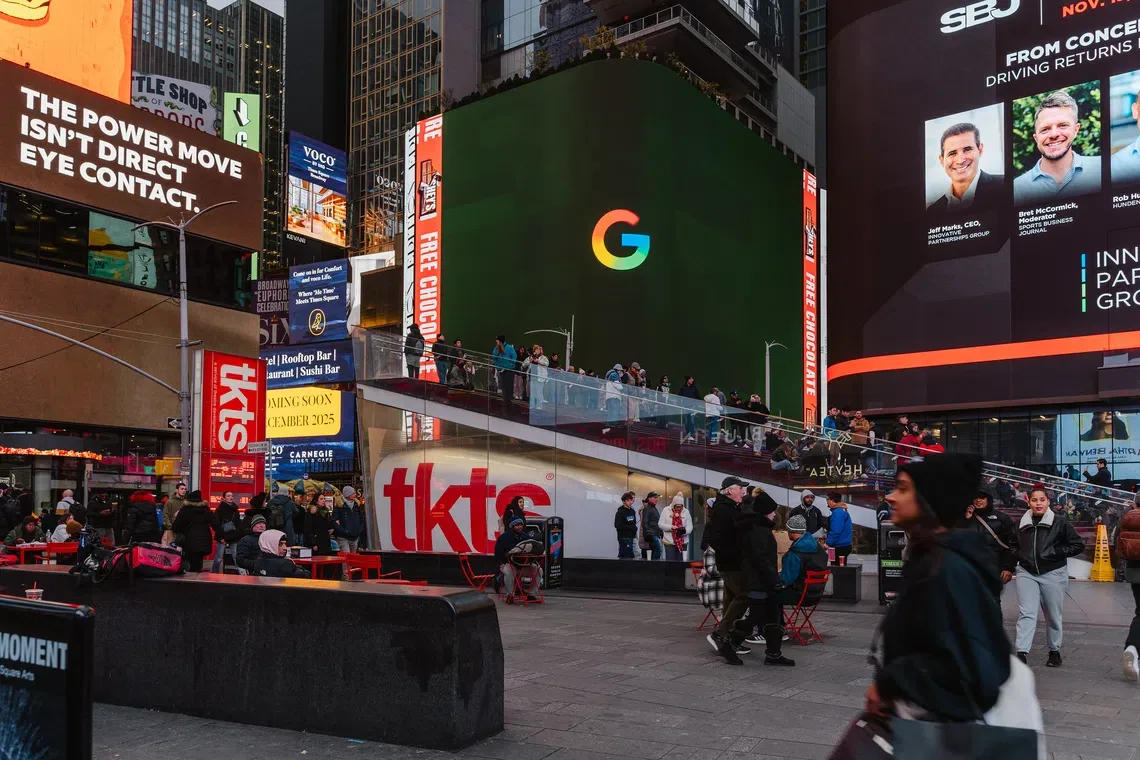
US District Court Judge Leonie Brinkema ruled on September 2, 2026, that Google is not required to sell its AdX advertising exchange or break up its advertising technology operations [1, 2, 3, 4, 5, 6, 7, 8, 9, 10].
The decision came in a case brought by the U.S. Department of Justice (DOJ) and eight states in 2023, alleging Google abused its dominance in digital advertising markets [1, 2, 7]. The DOJ accused Google of monopolizing key ad tech markets, a claim Judge Brinkema previously upheld in April 2025, finding Google illegally maintained monopolies in the publisher ad server and ad exchange arenas and unlawfully tied those products together [1, 2, 3, 7, 8, 9, 10].
Despite this earlier finding, Judge Brinkema declined the DOJ’s request to force Google to divest the AdX exchange or break up its ad tech business. Instead, she approved behavioral remedies requiring Google to modify certain business practices to foster competition [1, 2, 3, 5, 6, 7, 8, 9, 10]. The full details of these remedies are under a 14-day seal and will be released after redactions [1, 2, 3, 7, 8, 9, 10]. Parties have 30 days from that release to submit a joint proposed final judgment [1, 2, 3, 7, 8, 9, 10].
Google had argued that a forced breakup would harm customers, disrupt the ad ecosystem, and prove technically infeasible [1, 2, 9, 10]. Lee-Anne Mulholland, Google’s Vice President for Regulatory Affairs, said, "We are very pleased to see the judge reject the DOJ’s proposal to break apart these tools that help small businesses reach new customers and grow" [1, 3, 4].
Financially, Google’s AdX exchange commands a roughly 20% fee on real-time auctions where publishers sell ads but represents a small fraction of Google’s overall business [1, 2, 8, 10]. In 2025, Google’s total advertising revenue was $294 billion, with its ad server market share exceeding 90% [6]. Estimates from 2020 indicated Google’s ad management business contributed about 4.1% of total revenue and 1.5% of operating profit [10].
Industry experts see the ruling as consistent with recent judicial skepticism toward structural antitrust remedies against major tech firms. This case follows failed efforts to break up Google’s search business and Meta’s Instagram/WhatsApp platforms [1, 4, 5, 10]. Matt Schruers, president of the Computer & Communications Industry Association, noted, "The decision confirms that antitrust remedies should be narrowly tailored to address specific identified harms" [7]. However, analyst Laurel Kilgour of the American Economic Liberties Project called it "merely a minor inconvenience," saying the ruling leaves Google’s business empire intact despite finding a monopoly [5].
After the sealed period ends, the court will release its full ruling and behavioral remedy details. Following that, the parties must submit a proposed final judgment within 30 days [1, 2, 3, 7, 8, 9, 10].