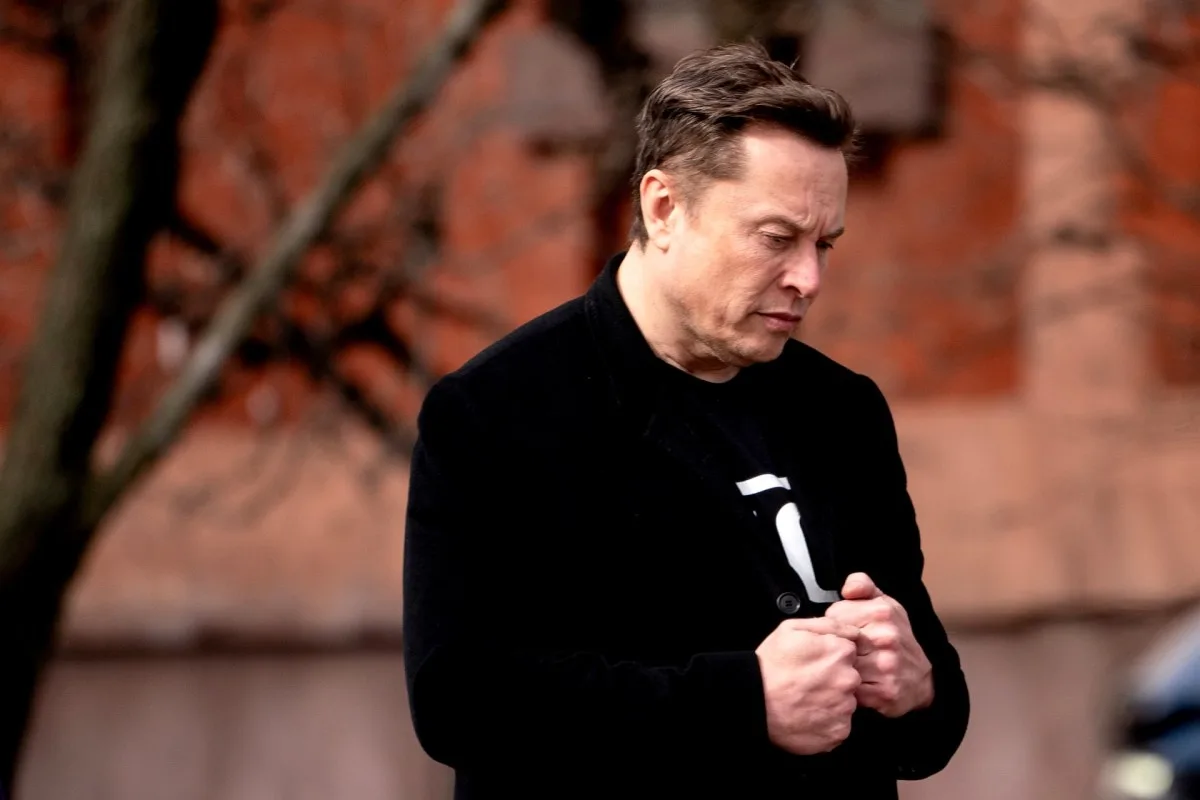
US District Judge Sparkle Sooknanan approved a settlement requiring Elon Musk to pay a $1.5 million penalty through a trust in his name related to a Securities and Exchange Commission (SEC) lawsuit [1, 2, 3]. The suit alleged that Musk delayed disclosing his early purchases of Twitter shares by 11 days in early 2022, which saved him an estimated $150 million [1, 2, 3]. Musk said the delay was inadvertent. He later completed a $44 billion acquisition of Twitter, rebranding it as X in October 2022 [1, 3].
The SEC filed the lawsuit in early 2025 over Musk’s handling of this disclosure [2]. The settlement was reached in May 2026 requiring Musk to pay the penalty without admitting any wrongdoing [2].
Despite approving the settlement on July 8, 2026, Judge Sooknanan expressed “significant misgivings” and questioned whether Musk received special treatment from the SEC and the Trump administration [1, 2, 3]. She raised concerns over why the SEC dropped its demand for Musk to disgorge $150 million in ill-gotten gains estimated from the delayed disclosure to compensate victims [1, 3]. The judge stated that the court's role was limited to assessing if the settlement met minimum standards of fairness and reasonableness, not acting as an ombudsman.
"A court presented with a consent judgment is not a rubber stamp. But neither is it an ombudsman. Whether the Executive Branch (through the SEC) has done enough to hold Mr Musk to account for his alleged violation is, like many other issues, for our citizenry to decide at the ballot box," Sooknanan said [1]. She added, "Although the Court has significant misgivings about the settlement reached in this case, it cannot say that the settlement meets that high threshold" [2].
Musk is estimated to be worth approximately $927 billion. He leads Tesla and SpaceX, which now owns Twitter/X [1, 3]. Former SEC enforcement chief Margaret Ryan resigned in March 2026 reportedly due to conflicts over enforcement philosophy related to this case [3].
The court’s approval allows the $1.5 million penalty to be paid, but the questions raised about the dropped disgorgement demand remain unaddressed. The case’s settlement marks the current legal closure, but public scrutiny may continue.