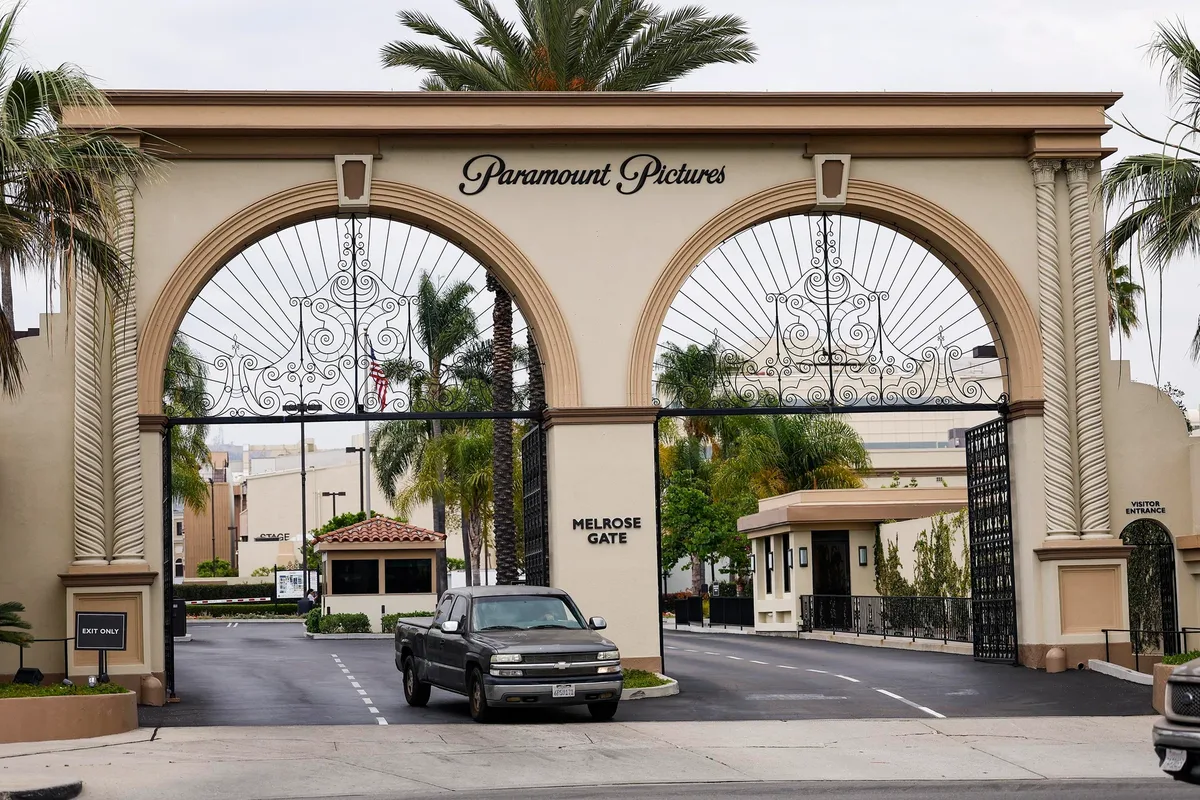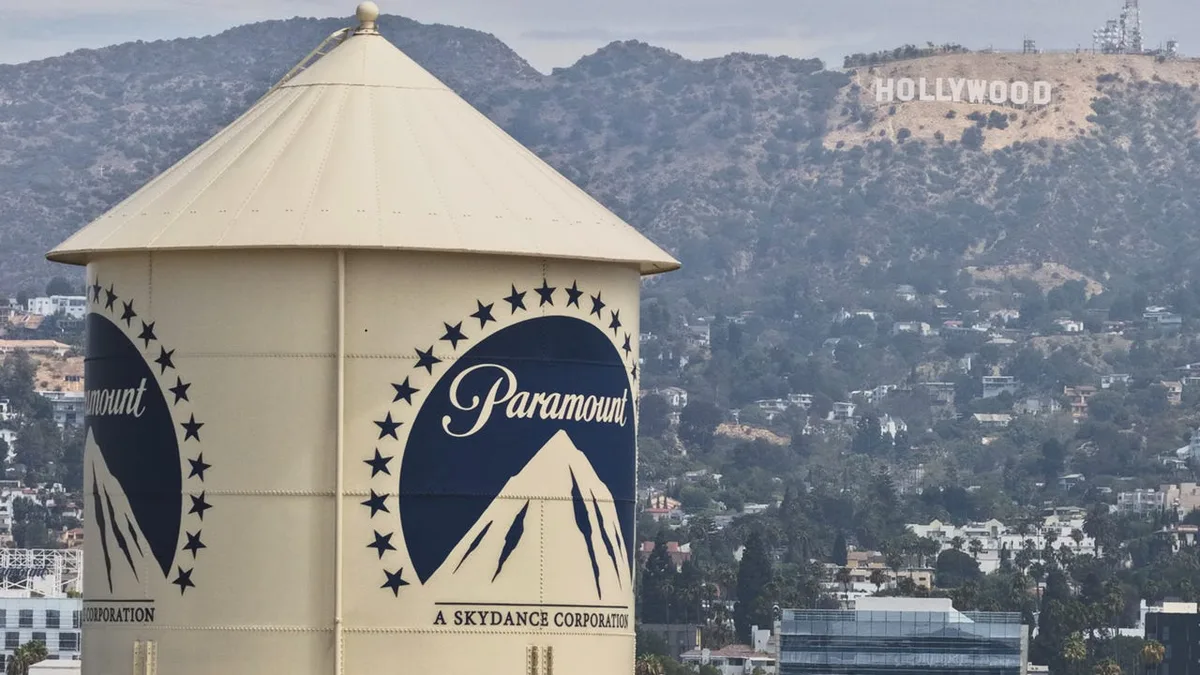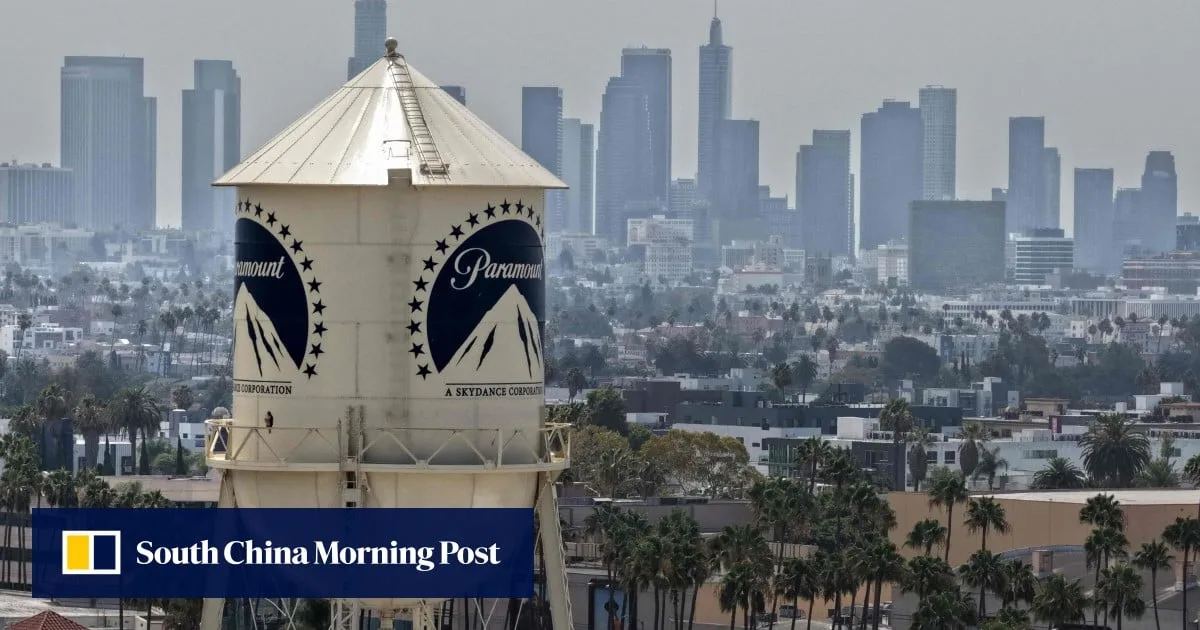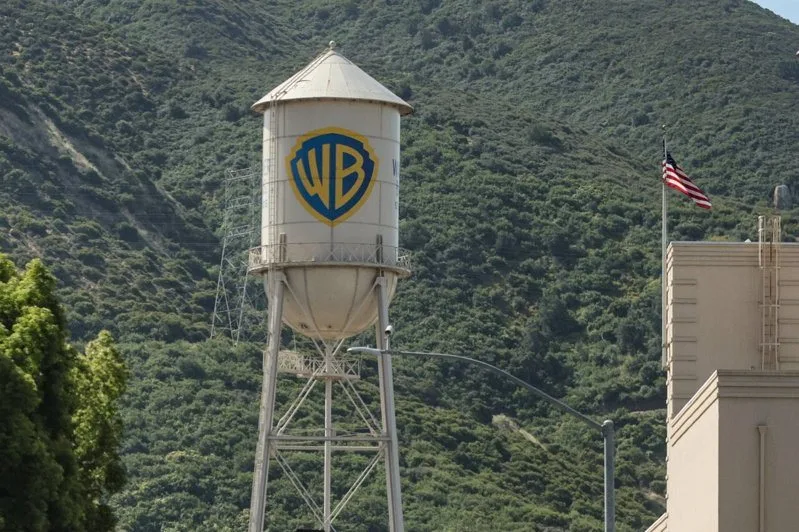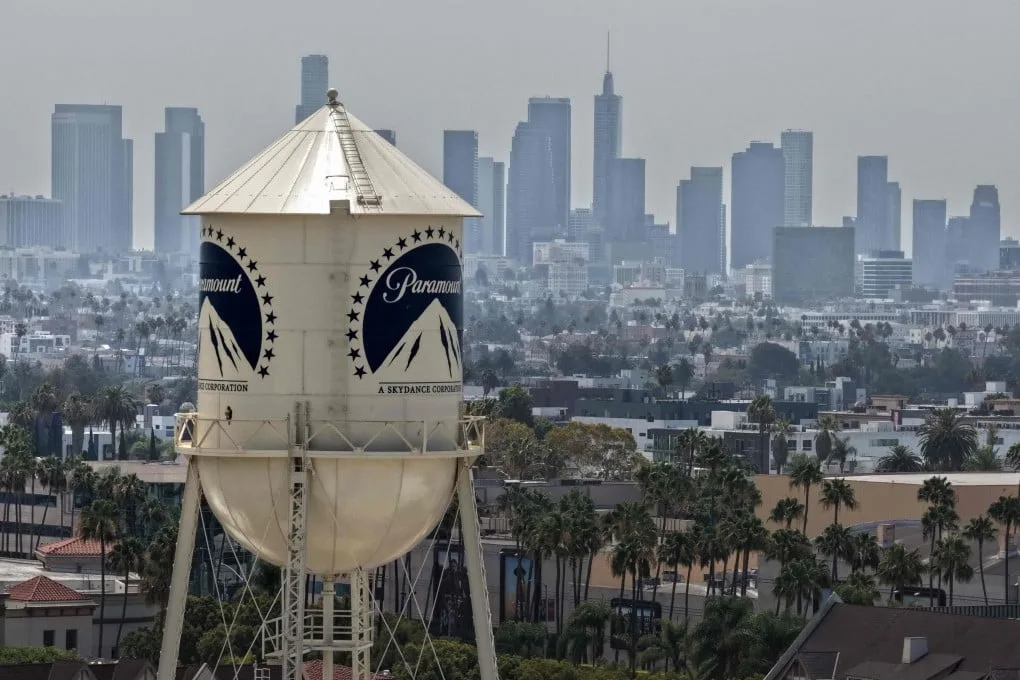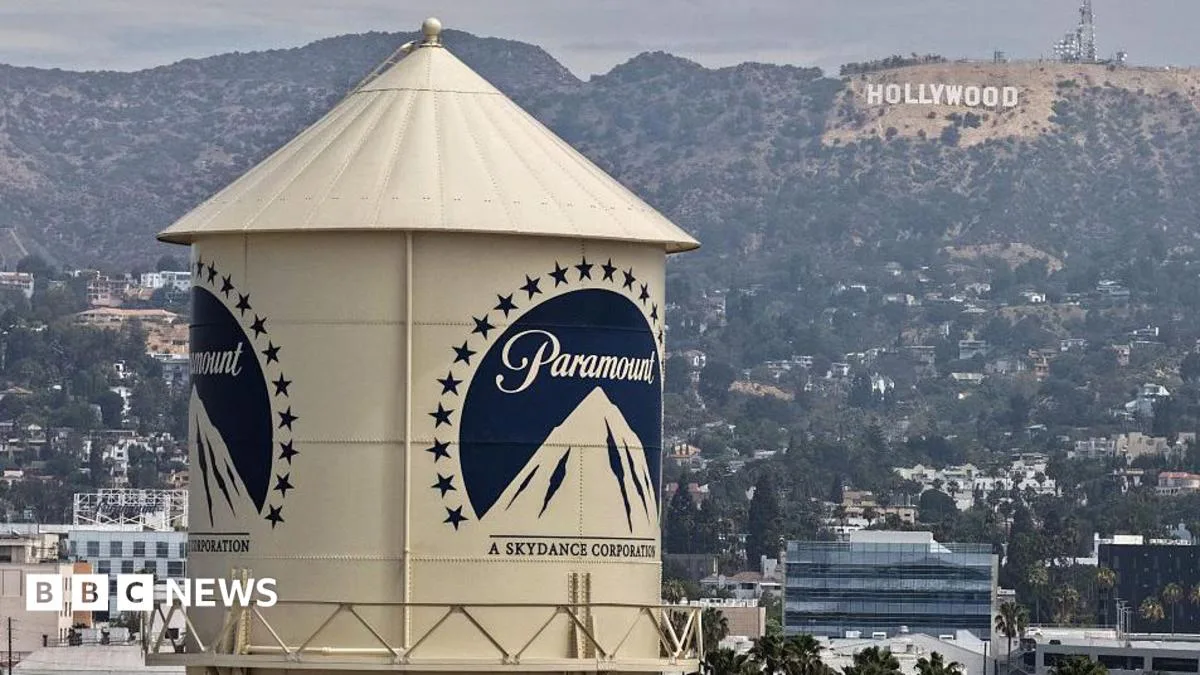
A US federal judge in California issued a temporary restraining order on July 20, 2026, halting the $110 billion merger acquisition of Warner Bros Discovery by Paramount Skydance for 14 days [1, 2, 3]. The order prevents both companies from finalizing the deal or combining operations until the court hears further arguments and may issue a preliminary injunction [1, 3, 4].
The merger, which includes streaming services HBO Max and Paramount+, TV channels like CNN, MTV, Nickelodeon, and major film franchises such as Harry Potter, Batman, and Mission: Impossible, faces opposition from a coalition of 12 US states led by California [1, 2, 5]. The plaintiff states allege the deal would reduce competition in movie distribution, limit content availability, raise prices, lower service quality, and lead to industry job losses [1, 2, 6]. California Attorney General Rob Bonta called the restraining order "a critical first win in our case to ensure this megamerger never sees the light of day" and warned that market consolidation leads to "fewer opportunities for more people, worse products and services for all people" [2].
The judge noted the combined entity would control about 27% of the theatrical release market, close to the antitrust threshold of roughly 30% that courts consider problematic [1, 4]. "Plaintiff States' showing at least demonstrates that serious questions going to the merits remain," Judge Araceli Martínez-Olguín said, adding the companies will remain separate and competitive while awaiting court rulings [7].
Paramount and Warner Bros argued the merger would boost streaming efficiency and competition, accusing the states of misreading the market. A Paramount spokesperson said the lawsuit "serves to protect companies like Netflix and large streaming platforms from facing the competition they urgently need" [1, 7, 5]. The US Department of Justice approved the deal in June 2026, but the states' lawsuit challenges that approval [1, 8].
The European Union gave conditional antitrust approval on July 22, 2026, requiring Paramount to dissolve a joint film distribution venture with Universal Pictures within 13 months [9, 10].
If the merger closes after its scheduled September 30, 2026, deadline, Paramount faces a "ticking fee" of about $650 million per quarter, or $7 million daily, payable to Warner Bros shareholders. The companies have also agreed to a $7 billion breakup fee if the deal is blocked for regulatory reasons [8, 6, 10].
The next court hearing on the preliminary injunction is scheduled for August 3, 2026 [3, 6]. On August 6, 2026, Paramount Skydance agreed to delay the merger closing until June 2027, pending the outcome of the antitrust litigation [11].