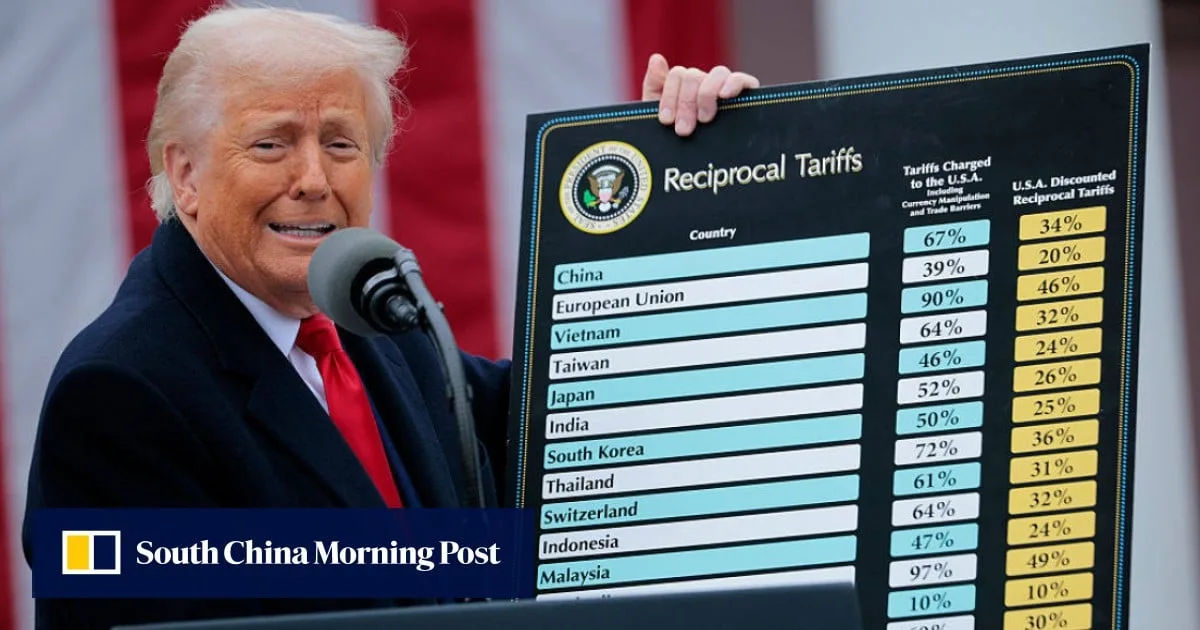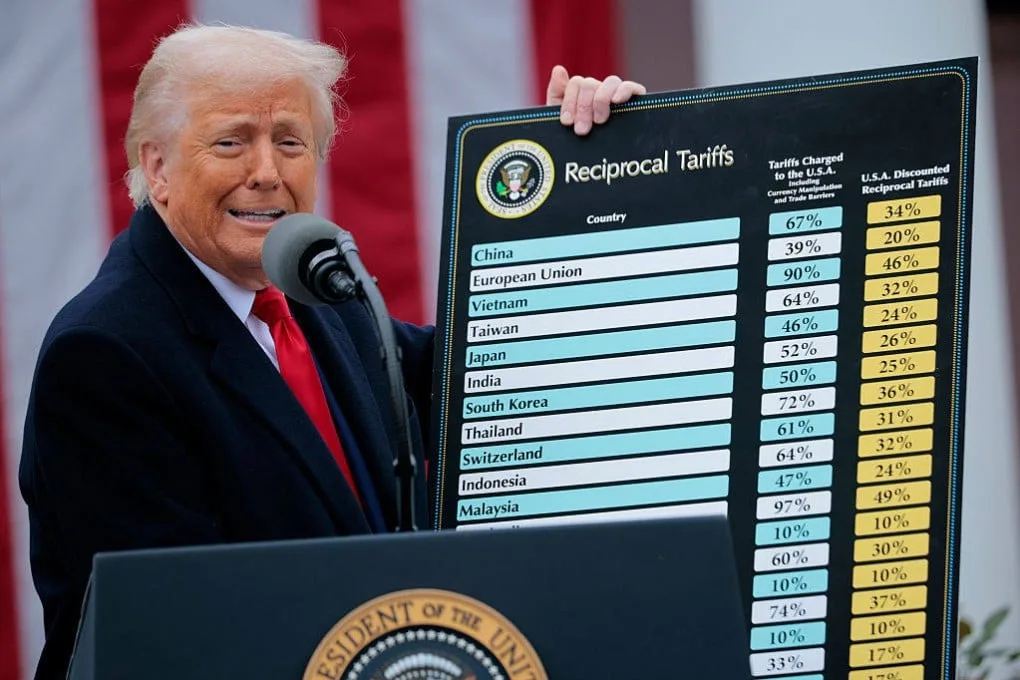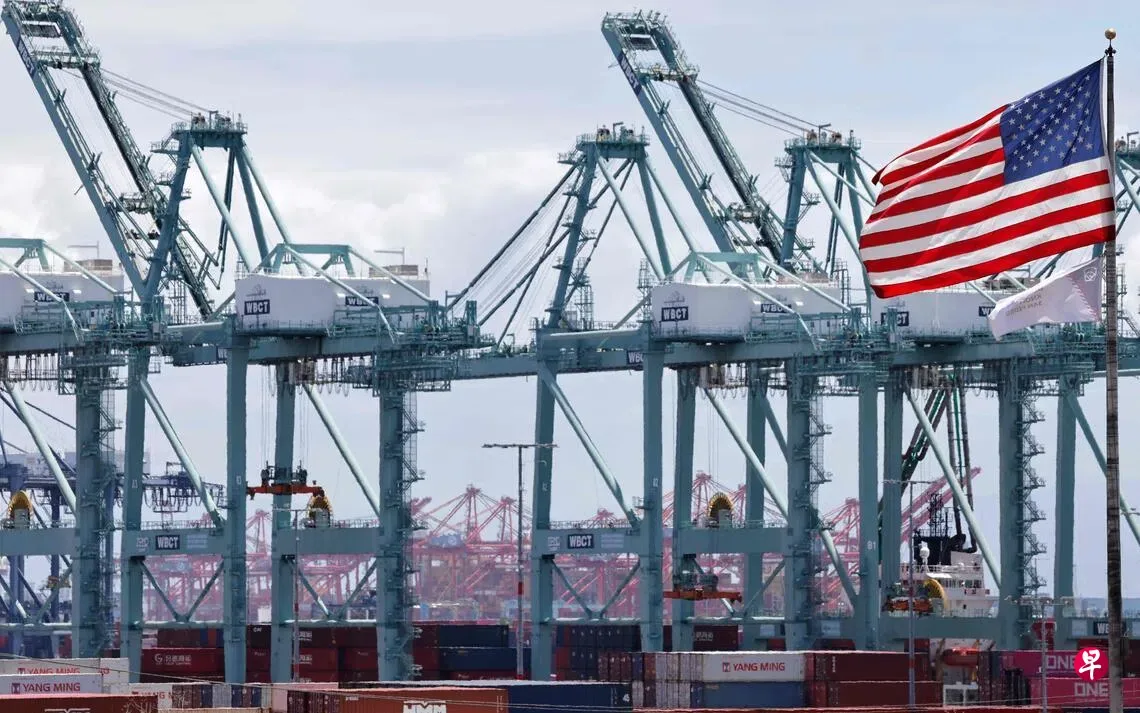
US International Trade Court Judge Richard Eaton called on the government on June 9, 2026, to speed up refunds of tariffs collected under former President Trump that a Supreme Court ruling declared illegal [1, 2, 3, 4, 5]. Eaton said, "The time has come to refund all the duties," and urged the government not to appeal his prior March 4 order requiring refunds [1, 2, 3, 4, 5]. He told the court: "One way to achieve this goal is for the government not to appeal my ruling" [2, 4].
The Supreme Court found Trump lacked authority under the International Emergency Economic Powers Act to impose these tariffs, which total about $166 billion in collected revenue now subject to refund [1, 2, 6, 7]. Since April 2026, U.S. Customs and Border Protection has processed approximately $23 billion in phase one refunds and accepted claims totaling about $90 billion [1, 2, 4, 5]. The total expected refunded amount could reach $127 billion by the end of the process [1, 2].
In May 2026 alone, the government refunded nearly $22 billion, effectively offsetting customs revenue for that month [8, 9, 6, 7]. Treasury Secretary Scott Bessent stated, "The money would be returned to companies that imported tariffed goods" [6].
Judge Eaton criticized delays caused in part by the government appealing his March 4 ruling, which contributed to slower processing. He noted, "Processing delays have resulted in growing inequity between large importers who hire customs brokers and small businesses unable to do so" [1, 2, 3, 4, 5]. He has not issued new enforcement orders but emphasized the need to move faster to distribute refunds [2, 3, 4, 5].
Some companies have requested certification of a class action to represent all importers who paid the illegal tariffs, but this remains under consideration [4, 5]. The current refund effort focuses on simpler phase one claims; older, liquidated tariffs tied to final duty assessments are more complex and pending [4, 5].
Meanwhile, some new tariffs imposed under different legal authority are not affected by the court ruling [9]. The U.S. fiscal deficit narrowed by 9% to $1.25 trillion in the first eight months of fiscal year 2026, partly due to tariff revenue [8, 6, 7].
The next major step is for Customs and Border Protection to continue processing the refund claims, aiming toward the $127 billion total refund figure by the end of the process later this year [1, 2].