On August 30-31, 2026, US forces launched strikes against Iranian rocket launchers on Larak Island following Iranian attacks on US troops, marking the first US-Iran military clashes in about a month [1, 2]. These clashes triggered a sharp rise in global oil prices. Brent crude climbed more than 1.5% to about $95-$96 per barrel, while WTI crude hit roughly $91-$92 by early September [3, 4, 5, 6, 1, 2]. US Energy diesel futures surged to a 52-month high of $106 per barrel amid supply disruptions caused by the hostilities and broader global factors [5].
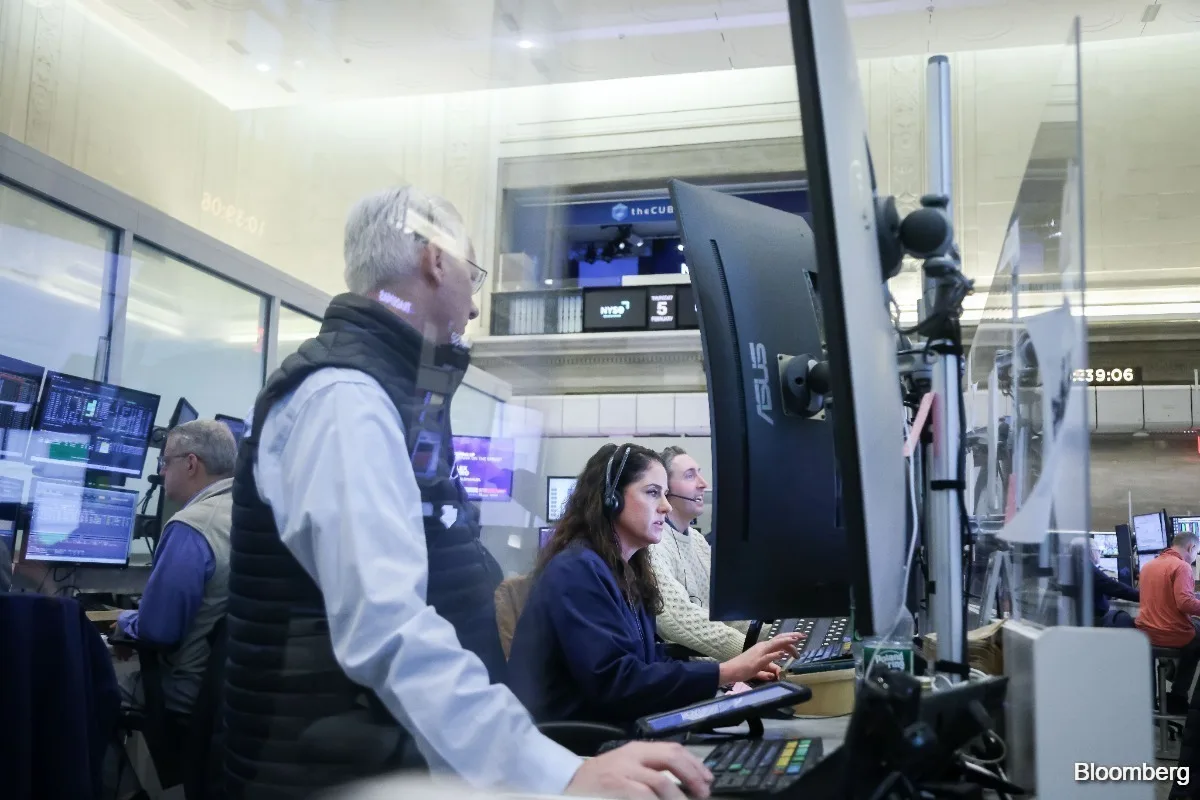
The higher oil prices, paired with ongoing Middle East tensions, raised inflation concerns and pushed US Treasury yields to multimonth highs. The 10-year Treasury yield approached 4.75%, a level not seen since January 2025 [1, 7, 2]. These developments dampened risk appetite. US stock markets opened lower on August 31 and September 1 as investors reacted to the geopolitical shocks and rising bond yields [3, 8, 9, 1, 7, 10].
On August 31, the Dow Jones Industrial Average fell about 350 points, or roughly 0.65%, while the S&P 500 declined 0.4% and the Nasdaq dropped 0.29% [3, 1, 7, 2]. The market selloff continued at the September 1 open as the Dow lost an additional 102 points, S&P 500 slipped 50 points, and Nasdaq fell 339 points [8, 10]. Despite this volatility, the S&P 500 and Nasdaq posted gains for August, and the Dow recorded a five-month winning streak through that month [3, 1, 7, 2].
Rising yields and oil prices fed into expectations that the US Federal Reserve will raise interest rates again at its September meeting. Markets currently price over a 60% chance of a rate hike, supported by hawkish remarks from Fed Chair Kevin Warsh, who said, "Absent a material downside surprise, the onus is now on Warsh to deliver a September hike [3, 4, 1, 7]."
Some experts note the difficult balance for investors. Rick Meckler, an investment partner, said, "The US economy remains strong, which often leads to higher interest rates and creates competition between equities and bonds for investors' capital [11]." Andrew Tyler of JPMorgan expects a "strategic cautiousness" in US equities in the weeks ahead but anticipates continued economic strength driven by corporate earnings and data [4].
Meanwhile, Singapore's Straits Times index showed moderate fluctuations and relative resilience around September 1-3 as some stock trading and real estate deals proceeded, despite the regional tensions [4, 12, 11]. On September 2, Brent crude stayed above $95, and energy stocks rallied even as the broader market struggled [5, 12, 2]. On September 3, US stocks rebounded modestly as yields pulled back slightly and oil price increases paused, with markets awaiting key US employment data due September 4 [11].