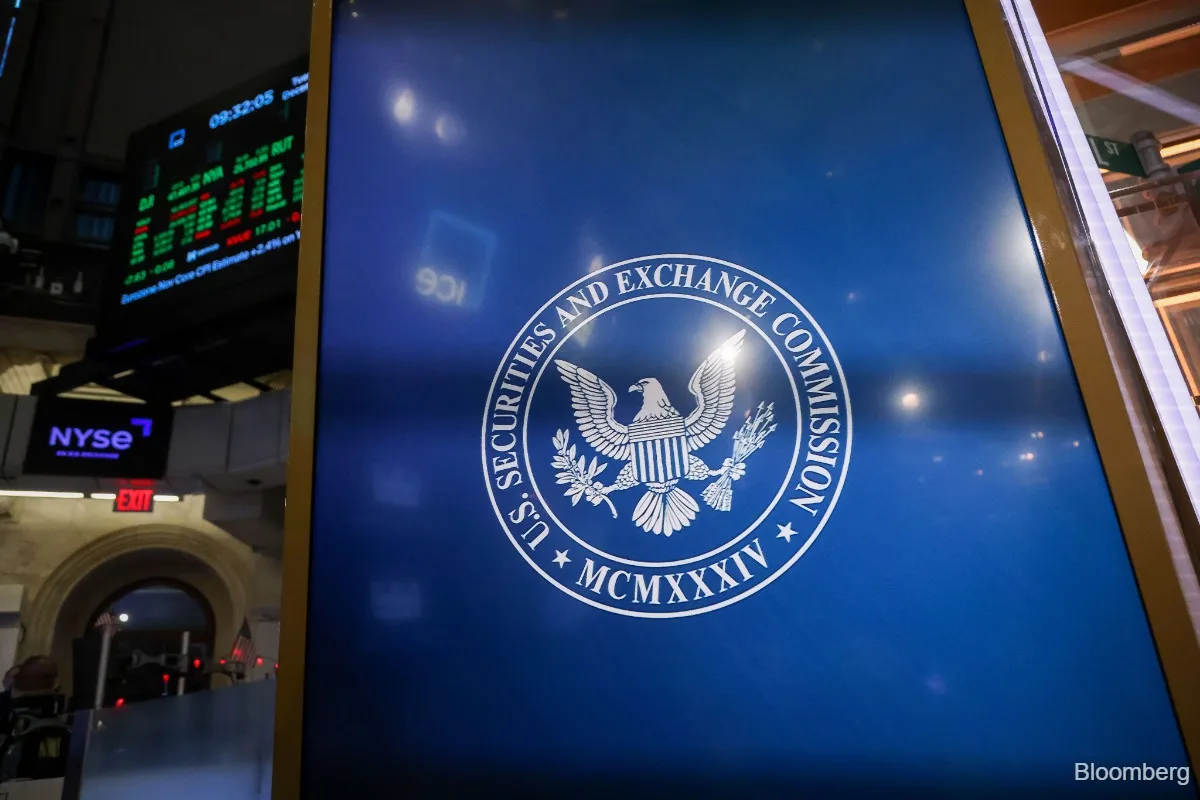
On June 30, 2026, the US Securities and Exchange Commission (SEC) announced a public request for comment to review the regulatory framework for exchange-traded funds (ETFs), focusing on new and complex ETF types such as prediction market ETFs, cryptocurrency-related ETFs, leveraged ETFs, options strategies, and multi-asset hybrids [1, 2, 3, 4, 5, 6]. The comment period opened the same day and will last 60 days [1, 2, 3, 4, 5, 6].
The SEC’s review reflects the rapid growth of the ETF industry, which reached approximately $15.7 trillion in assets under management by mid-2026, up from about $4 trillion in 2019 [2, 3, 5, 6]. The agency seeks public feedback on whether the current registration and oversight framework remains effective for this expanded market that now includes innovative and complex ETF products [1, 5, 6].
SEC Director of Investment Management Brian Daly acknowledged the agency currently has limited regulatory tools. He noted, “We really only have one tool to regulate an ETF that we are not happy with,” and emphasized the need for measures like confidential treatment of ETF filings pre-effectiveness to avoid copycat filings [1]. He added that it is “essential that sponsors have comfort that the process will not penalise thoughtful pre-effectiveness collaboration with the SEC staff” in a first mover environment [1].
SEC Chairman Paul Atkins highlighted the goal of creating a consistent, transparent, and efficient regulatory framework that supports innovation while protecting investors. He said the public comments “will help the SEC decide how ETFs can continue to grow while effectively serving investors” and remarked in Mandarin that “ETF innovation relies on consistent, transparent and efficient regulation to ensure the US ETF market serves investors amid ongoing growth and innovation” [3, 5].
The review covers ETFs based on prediction markets (such as election or economic outcome wagers), cryptocurrencies including staking and stablecoin reserves, event contracts, and single-stock strategies [1, 3, 5, 6]. The agency is also considering standardized listing pathways for these new ETF types and if products with holdings not qualifying as “securities” should be regulated as investment companies [3, 4, 6].
Markets have seen increased SEC approvals of crypto ETFs since April 2025, including non-Bitcoin and non-Ethereum products tracking Solana and Dogecoin, while prediction market and event contract ETFs face delays amid regulatory uncertainty [6, 1, 5]. TD Cowen analyst Jaret Seiberg expects the SEC could approve ETFs based on event contracts, cryptocurrencies, and single-stock products as soon as 2027 [3, 4, 6].
The SEC’s Project Crypto, launched July 31, 2025 under Chairman Atkins, aims to modernize securities laws around digital assets and blockchain, clarifying token classifications and creating exemptions to integrate on-chain and traditional finance [7, 8]. Chairman Atkins has stated that “most digital assets should not be classified as securities,” which would ease legal risks for token projects [8].
Despite regulatory progress, the US crypto market has faced setbacks in early 2026, including large outflows from US spot Bitcoin ETFs of $4.5 billion in June alone, putting downward pressure on prices [7]. Former President Donald Trump has expressed support for US crypto leadership, emphasizing the need to treat cryptocurrencies as a strategic technology and reconsider tax policies on digital asset transactions [7].
The SEC plans to review public feedback submitted by August 29, 2026, to decide on potential updates to ETF regulations accommodating innovation while ensuring investor protection [1, 2, 3, 4, 5, 6].