Wall Street indexes slipped around August 17-18, 2026, as rising oil prices and ongoing geopolitical violence in the Middle East pressured investor sentiment. Brent crude prices surged to about $90-$91 per barrel, driven by stalled US-Iran peace talks and persistent fighting in the region [1, 2, 3, 4, 5, 6, 7]. President Donald Trump declined to extend the ceasefire agreement signed in June, which expired August 17, further fueling market unease [2, 3].
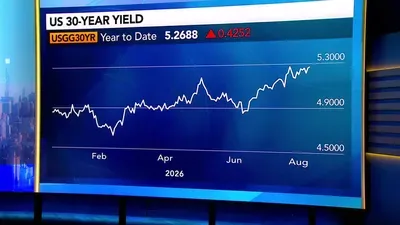
Alongside the energy surge, US Treasury bond yields rose sharply. The 30-year Treasury yield hit its highest level since 2007, surpassing 5.3% on August 18-19 before easing slightly after the Treasury announced expanded liquidity support buybacks for long-dated bonds [1, 2, 3, 4, 5, 6, 8, 9]. The 10-year Treasury yield climbed to around 4.7%, near highs not seen since early 2025 [3, 5, 6]. "The yields are troubling people because it portends a tighter environment and it’s going to be more expensive to borrow money," said Kim Forrest, chief investment officer at Bokeh Capital Partners [4].
Technology stocks faced volatility and declines amid worries over elevated bond yields, inflation, and geopolitical risks. Chipmakers showed mixed performances, with some selloffs amid ongoing uncertainty, despite bullish sentiment from strong second-quarter revenue at Anthropic PBC, which topped $11.5 billion [1, 3]. Emerging Asian markets suffered heavy declines on August 19, particularly South Korean shares. The Kospi index fell by as much as 6.8%, Samsung Electronics shares dropped over 8%, and SK Hynix declined almost 9.7% due to chip stock selloffs and rising yields [6, 10, 7].
Healthcare stocks rallied on August 19. Moderna and Merck led gains after positive clinical trial results for personalized mRNA cancer therapies boosted optimism in the sector. Moderna shares surged nearly 177% on that day [8, 9].
Retail stocks showed mixed results ahead of key quarterly reports. Walmart’s weak August 20 earnings report led to an 8.6% drop in its share price and weighed on the consumer staples sector. Investor cautiousness increased, partly reflecting uncertainty around inflation and spending [11, 12]. Analyst Phil Blancato noted the market was “a bit tepid and waiting for retail earnings for direction” [11]. Sky Canaves of Emarketer said Walmart’s conservative outlook failed to fully restore investor confidence [12].
Investor concern about rising government debt and inflation contributed to anxiety over higher long-term Treasury yields and Federal Reserve policy expectations. Anthony Saglimbene at Ameriprise said investors were “increasingly focused and concerned about the growing amount of US debt and America’s lack of fiscal discipline” [2]. Market strategist Matt Maley described the Middle East situation and elevated yields as "creating some headwinds for investors" [3].
Following Treasury’s liquidity support announcement on August 19, US stocks saw a rebound led by healthcare sector gains [8, 9]. But Walmart’s earnings miss and a renewed rise in bond yields triggered Wall Street retreats on August 20 [12]. Joe Saluzzi of Themis Trading warned that continuing yield increases will continue to trouble equity investors [12].
With the US-Iran ceasefire expired since August 17 and geopolitical tensions persisting, market watchers will closely monitor upcoming retail earnings and inflation data for signs of further market direction.