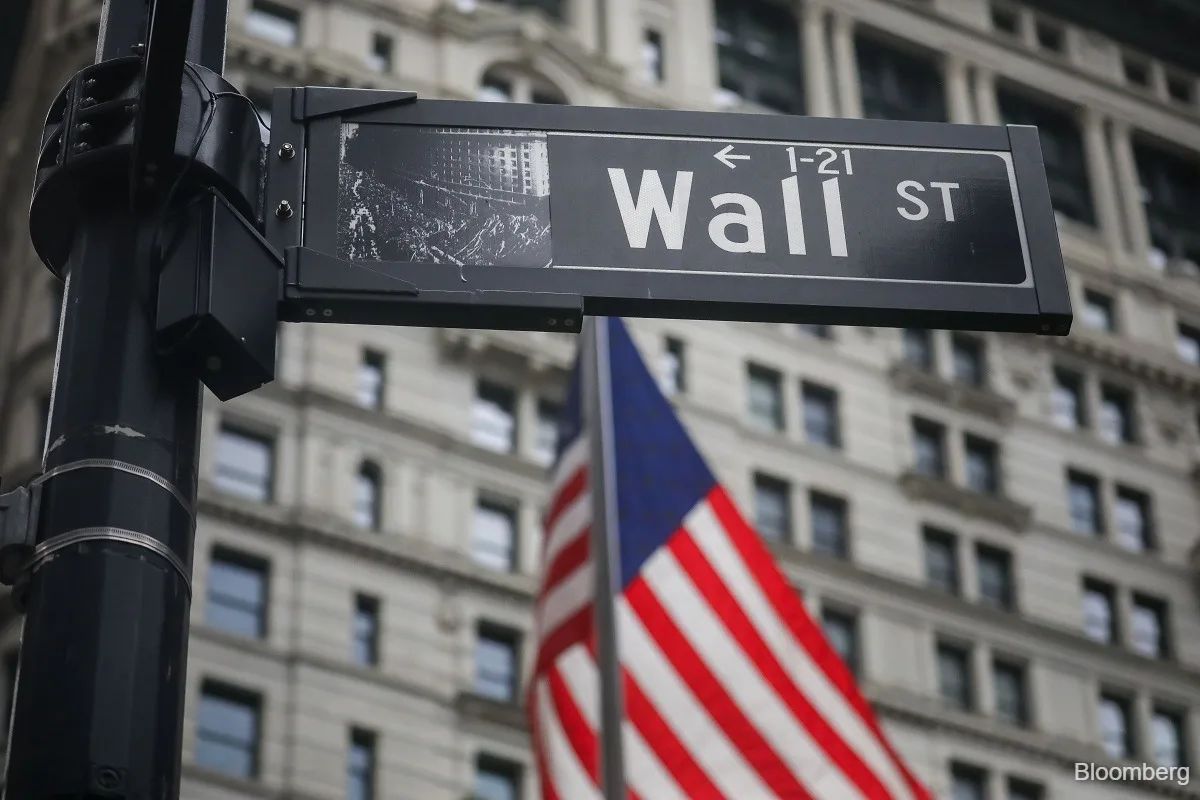
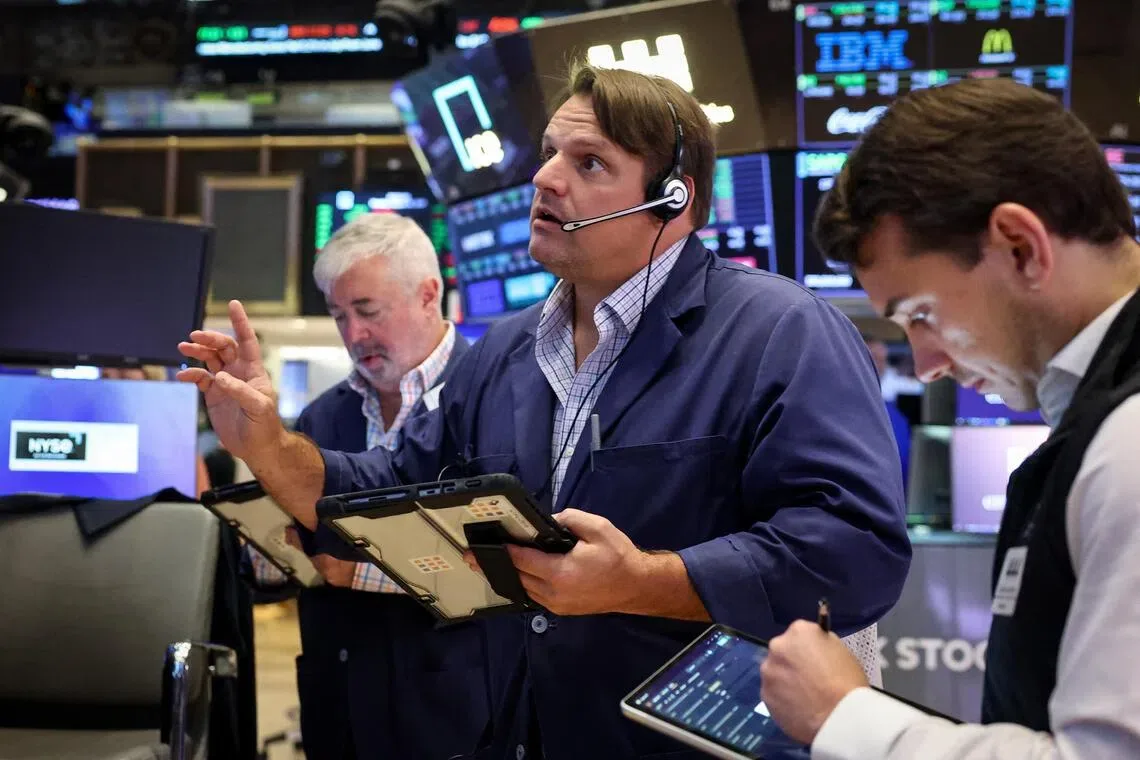
Wall Street's main indexes closed slightly lower on August 26 amid concerns over sticky inflation and ahead of Nvidia's second-quarter earnings report, with the Dow falling between 21 and 113 points and the S&P 500 and Nasdaq also ending the day down [1, 2, 3, 4]. Nvidia shares declined between 0.4% and 4.6% in the days leading up to and including August 28 as investors awaited the semiconductor giant's earnings [1, 2, 5, 6].
US annual inflation rose 3.7% in the 12 months through July, slightly above forecasts of 3.6%, signaling persistent price pressures that tempered market optimism [1, 2, 3, 4]. Despite this, the US economy grew at a revised rate of 1.5% in the second quarter [1, 2, 3]. Many investors view inflation as the key variable shaping Federal Reserve policy expectations.
Fed Chair Kevin Warsh delivered a hawkish speech at the Jackson Hole summit on August 28, reaffirming the Fed's commitment to reducing inflation and signaling the possibility of more rate hikes in September. Warsh said, "Without confidence that inflation is heading clearly and with sufficient speed to the Fed’s 2 per cent goal, the central bank would have more work to do" [5, 6, 7]. He added that recent price readings have not yet shown meaningful improvement in underlying inflation trends [7]. This contributed to the cautious tone in the markets.
The odds of a September rate hike are estimated between 38% and 44% following the inflation data and Fed commentary [1, 2, 3]. Market strategist Jeff Buchbinder said, "We're clearly still in a period where inflation is sticky and it's temporarily putting upward pressure on interest rates — an important factor in keeping this bull market for stocks going" [1]. At the same time, Ellen Zentner at Morgan Stanley noted inflation data alone "wasn’t enough to shift the balance for September’s meeting, but if subsequent data point in the same direction, the Fed may feel more pressure to move off the sidelines" [2].
Technology and semiconductor stocks showed volatility around Nvidia’s earnings outlook. While Nvidia shares declined, some megacap tech stocks like Microsoft and Apple saw gains [1, 5]. Despite daily fluctuations, the major indices posted modest weekly gains for the week ending August 28, with the S&P 500 up 0.49%, Nasdaq 0.85%, and Dow 0.53% [5, 6, 7]. Meanwhile, European stock markets generally closed higher during the same period [4, 7].
Investors will focus on Nvidia’s full second-quarter earnings report released on or around August 28 for cues on chip demand and sector momentum. The Federal Reserve’s September meeting will also be closely watched for any changes in rates following Warsh’s hawkish remarks.