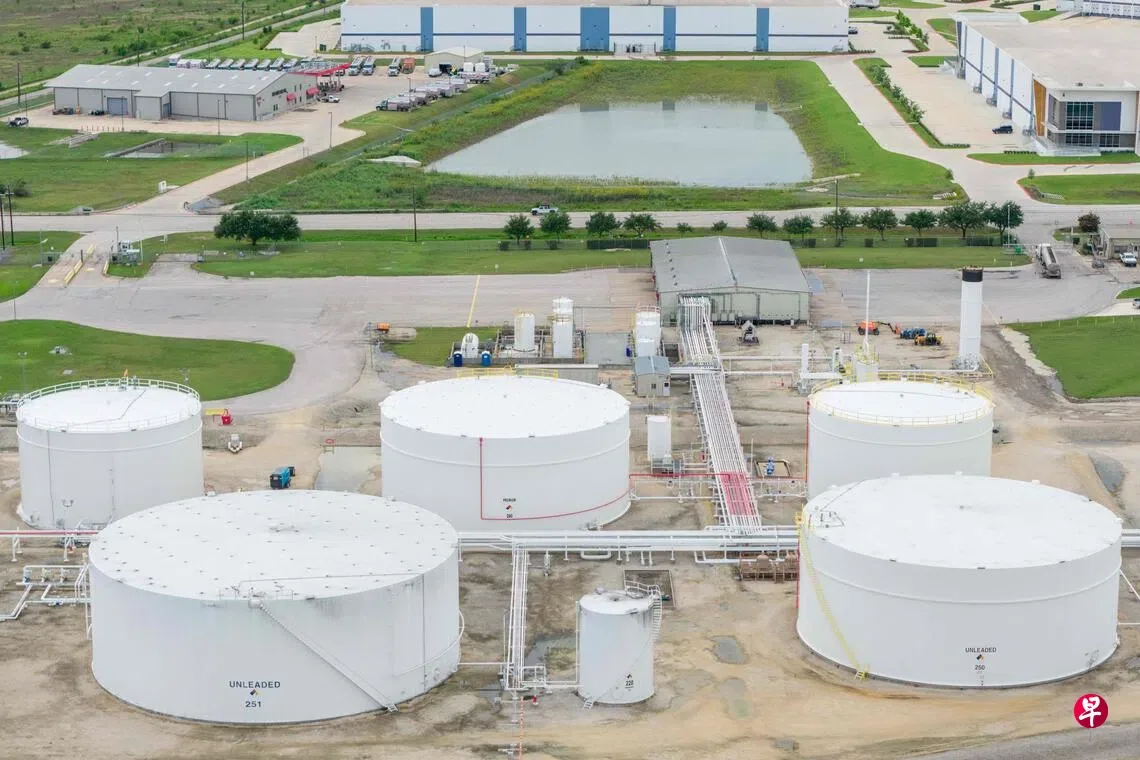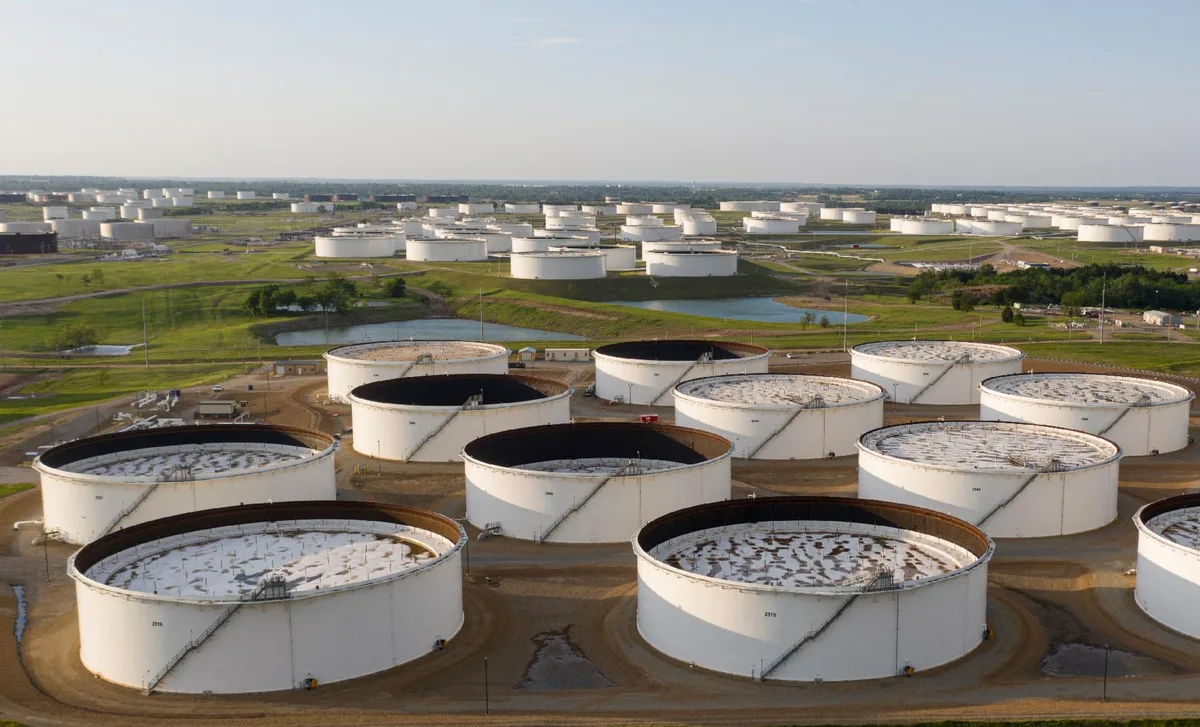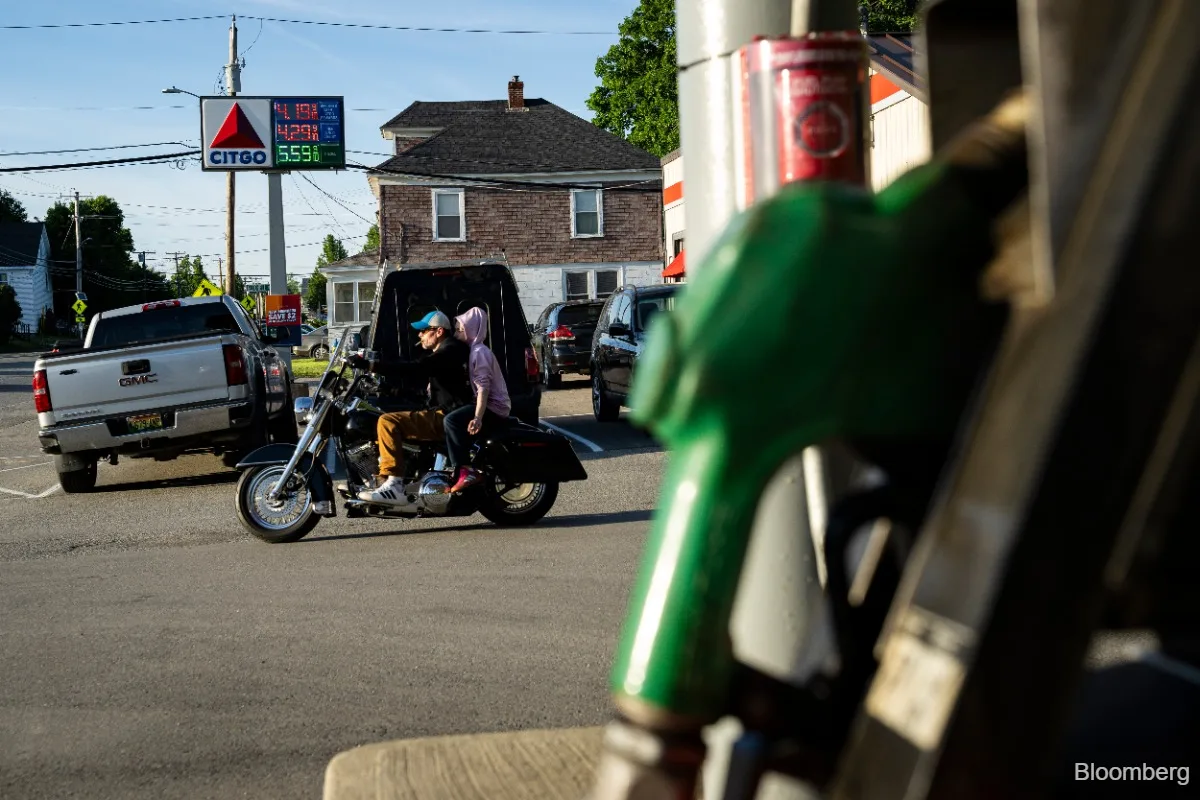
The US Strategic Petroleum Reserve (SPR) declined to approximately 340.3 million barrels as of mid-June 2026, hitting its lowest point since July 1983, the US Energy Information Administration reported [1, 2, 3]. The reserve fell by about 8.9 million barrels in the week ending June 12 alone [1, 4, 5]. Since late February 2026, the SPR has been drawn down by roughly 75 million barrels or more [1, 2].
The drawdowns stem from a plan announced in March 2026 by the Trump administration to release 172 million barrels over around 120 days. The goal was to stabilize oil markets amid the US and Israel military actions against Iran and rising fuel prices [1, 2, 6]. If fully executed, the SPR would decrease further to about 243 million barrels, roughly one-third of its authorized capacity [2, 6].
Patrick De Haan, head of petroleum analysis at GasBuddy, said the reserve "needs to maintain at least 150 to 200 million barrels to function properly" and added, "That leaves little room for additional releases" [2]. He called the low level "a data point worth noting, regardless of political stance" [5].
The SPR was created after the 1970s Arab oil embargo to buffer the US from supply shocks and energy crises. It is stored mainly in underground salt caverns along the Gulf Coast as an emergency crude supply [1, 7]. Congress sets a minimum SPR level near 252.4 million barrels, but the president can authorize releases below that in emergencies [3]. The recent releases are linked to an exchange program where loaned barrels are to be returned with a roughly 26% interest, potentially saving taxpayers more than $3 billion [2, 6].
US commercial crude inventories have also fallen sharply, reaching near five-year lows. The key Cushing, Oklahoma storage was near its operational minimum, while refinery runs reached about 17.2 million barrels per day with utilization rates at 96.7%, reflecting strong demand and accelerated draws [8, 9].
Amid these draws, the US and Iran reached a preliminary peace agreement ending their 15-week conflict and plans to reopen the Strait of Hormuz, a critical oil transit chokepoint. The deal is set to be officially signed on June 19, 2026 [10, 5, 8]. US and Brent crude prices dropped nearly 5% after news of the agreement [10]. Former President Donald Trump celebrated the deal, authorizing the free reopening of the Strait and lifting of US naval blockades [10].
The US Energy Department said the administration is managing the reserve "in the way it was intended to be used: helping stabilise oil markets, protecting the US from supply disruptions and making the nation more secure when it comes to energy" [2]. The government plans to refill the SPR with about 200 million barrels over the next year, exceeding the amount released, to rebuild reserves gradually [2, 6].
The official signing of the US-Iran peace agreement, including the Strait of Hormuz reopening, is scheduled for June 19 in Switzerland [10, 8].