US technology companies have announced layoffs totaling approximately 123,653 jobs so far in 2026, marking an increase of over 65% compared to 2025 levels [1, 2, 3, 4, 5]. May 2026 was the worst month since August 2024 for tech layoffs, with around 38,242 jobs cut in the sector alone [1, 2, 3, 4, 5].
Artificial intelligence (AI) has become the most commonly cited reason for the layoffs, surpassing market or economic conditions [6, 1, 2, 7, 3, 4, 5, 8]. Roughly 40% of tech firms pointed to AI in May as the cause for the job cuts [7]. Several major companies including Meta, Coinbase, Snap, Cloudflare, and Intuit have explicitly linked layoffs to efforts to restructure and reallocate resources toward AI adoption [6, 2, 5]. Meta alone announced a 10% reduction in its workforce—about 8,000 jobs—in April 2026 while increasing investments in AI and data centers [6].
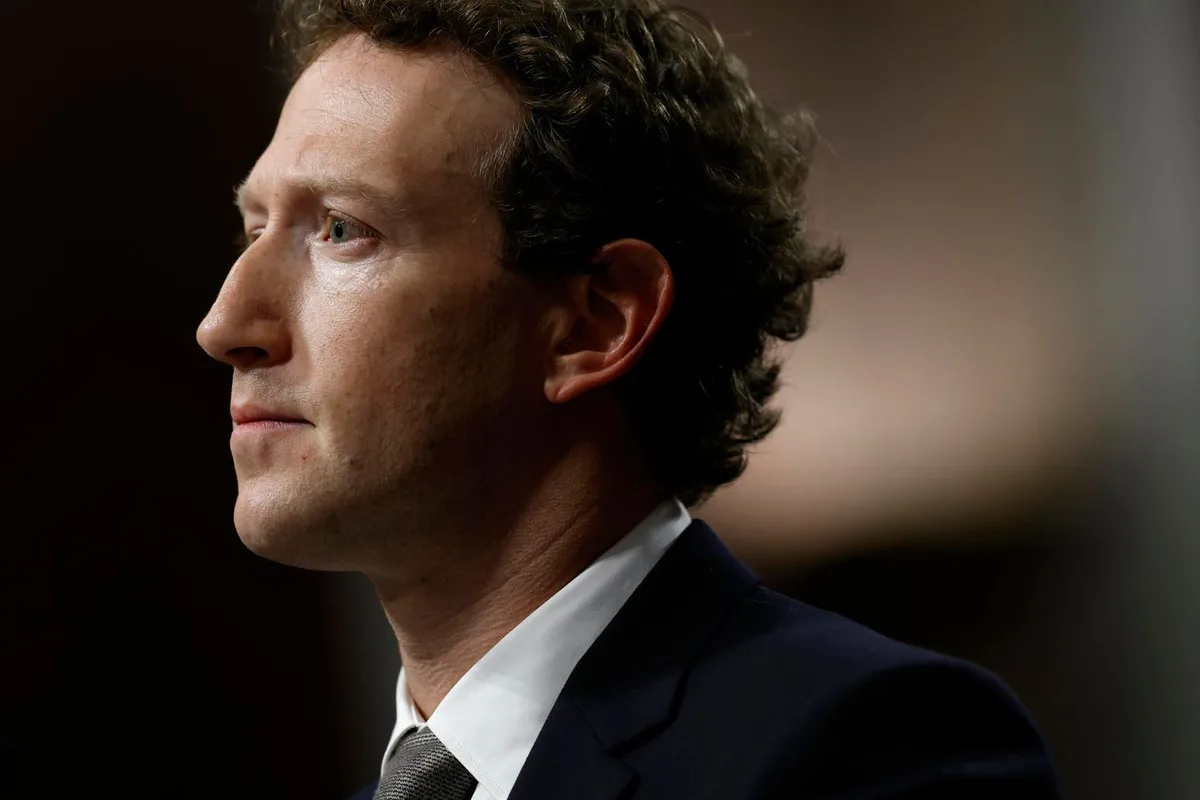
The layoffs disproportionately affect entry-level tech jobs and new graduates. Over 43% of companies report cutting entry-level IT positions due to AI automating routine tasks [8]. Meta CEO Mark Zuckerberg said, "We see more and more examples where work that once took dozens of people several months can now be done by one or two people in a week" [6].
Despite heavy layoffs, the tech industry continues to hire. Companies have announced plans to add over 8,000 to 11,250 new jobs year-to-date, reflecting a shift in workforce composition rather than overall contraction [1, 2, 3, 4, 5].
Critics including Nvidia CEO Jensen Huang and OpenAI CEO Sam Altman have pushed back on blaming AI for layoffs. Huang said, "I really hate that [CEOs blaming AI for layoffs]" [2]. Altman accused some firms of "AI washing" by blaming layoffs on AI when other business factors are involved [7]. Evercore analyst Mark Mahoney called using layoffs to "make way for AI" a convenient excuse for companies lacking strong management [6].
Overall private sector layoffs in the US fell 7% in the first five months of 2026, indicating the increase is concentrated in the tech sector [1, 3, 4]. The US labor market remains strong, with the government scheduled to announce on June 5 that May nonfarm payrolls likely rose by about 85,000 jobs [1, 3, 4].