The United States will implement new tariffs targeting 60 trading partners accused of not enforcing bans on goods made with forced labour, replacing the expiring 10% global tariff on July 24, 2026 [1, 2, 3]. The new tariffs, effective immediately after the current levy ends, will mostly range between 10% and 12.5%, depending on each country's enforcement of forced labour restrictions [1, 4, 3]. Countries such as Canada, Mexico, the UK, and India will face 10% tariffs, while others including China and Japan will be subject to 12.5% tariffs [1, 4].
US Trade Representative Jamieson Greer said, "The US has laws to prohibit trading goods with forced labour. Other countries, most don’t have a law, those that do don’t really enforce it." He added, "The United States has had a forced labor import ban for nearly a century, and rigorously enforces it. It’s well past time for our trading partners to do the same." [1, 3] The new tariffs mark the broadest effort to restore the Trump-era tariff regime after Supreme Court rulings had invalidated earlier levies [3, 5].
Adding to trade tensions, the US announced on July 19 a 50% tariff on many Canadian goods to take effect in 30 days [1, 4]. White House Press Secretary Karoline Leavitt and USTR Greer indicated policy announcements would come around July 23-24, just before the 10% global tariff expires at 12:01 a.m. New York time on July 24, 2026 [6, 3, 5].
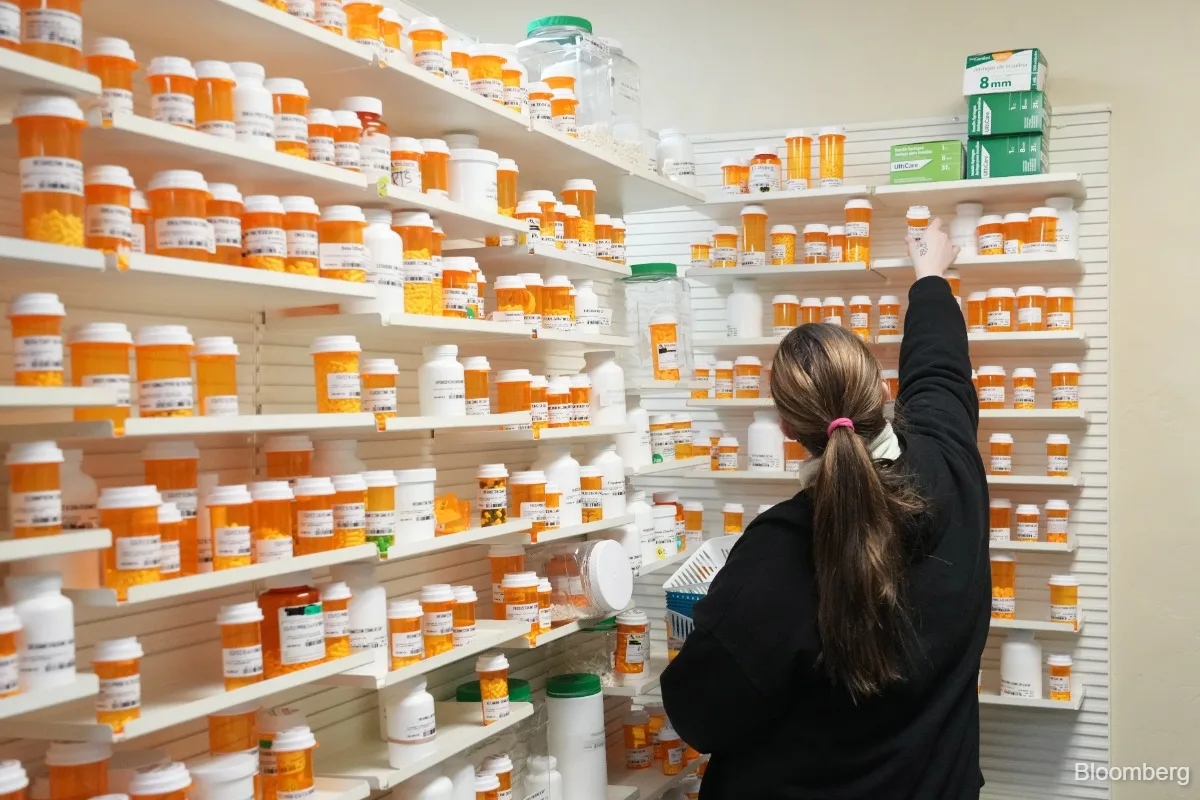
In a separate initiative, former President Donald Trump announced a plan to impose a 100% tariff on imported generic drugs beginning August 1, 2028, doubling to 200% a year later in August 2029 [7, 8, 9]. Trump said the tariff is "done in order to RESHORE Generic Pharmaceutical Production into America, with a penalty to those Companies that decide not to build Plant and Equipment within the stated period." [7]
The generic drug tariffs target the dominant 90% share generics hold in US prescriptions, with 35% of active pharmaceutical ingredients currently imported from India, 18% from the European Union, and 8% from China [9, 10]. Indian generic drugmakers expressed surprise and concern over the tariffs given India's role as a major supplier to the US market [11]. Mahesh Doshi of the Indian Drug Manufacturers Association said, "This is a very surprising news for the industry. None of us were expecting this." [11]
Tariff plans for patented and brand-name drugs remain unchanged and are subject to separate negotiations and exceptions [7, 8, 9]. The US government aims to enforce the generic drug tariff by requiring companies to move production onshore within two years or face penalties [7, 8].
With the replacement tariffs set to take effect today and generic drug tariffs planned to start in 2028, the US is doubling down on trade measures tied to labour standards and domestic pharmaceutical production [3, 7].