The U.S. Trade Representative's office announced a proposal to impose a 25% punitive tariff on many imports from Brazil based on findings of unfair trade practices. The investigation identified issues in digital trade, intellectual property, ethanol market access, and illegal deforestation as grounds for tariffs under Section 301 of the Trade Act of 1974, following an inquiry that began last year [1, 2, 3, 4, 5].
Certain Brazilian products are exempt from the proposed tariffs. These include beef, coffee, rare earths, other metals, energy products, fruits and nuts, and aircraft parts [1, 2, 3, 5]. The USTR opened a public comment period until July 1 and has scheduled a hearing on July 6 in Washington, with a final decision deadline of July 15 [1, 2, 4, 6, 7].
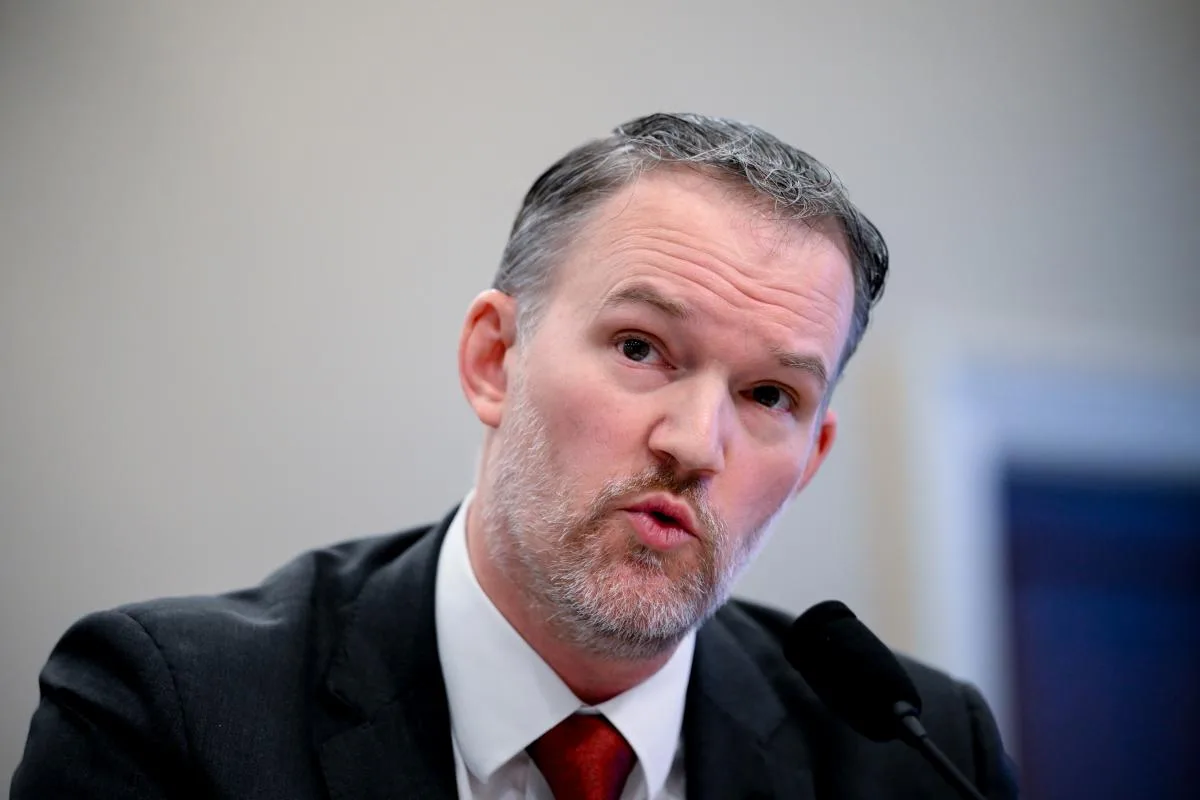
U.S. Trade Representative Jamieson Greer said the investigation found that "Brazil’s trade arrangements with Mexico and India also create incentives to offshore US production by creating a financial advantage to exporting to Brazil from these countries, as opposed to exporting from the United States." He added, "We continue to have substantial differences in resolving the issues identified in this investigation." [8, 5]
The U.S. has maintained a goods trade surplus with Brazil for years, with recent data showing Brazil’s imports from the U.S. exceeding U.S. imports from Brazil by $420 million as of March 2026 [8, 5]. However, some sources dispute whether the U.S. trade balance motivates tariffs [1, 3, 9, 5].
The current proposal follows the Trump administration’s previous 50% tariffs imposed in June 2025 on many Brazilian goods. Those tariffs mainly targeted Brazil over the prosecution of former President Jair Bolsonaro, an ally of Trump. The Supreme Court struck down those 50% tariffs in February 2026 [1, 8, 4].
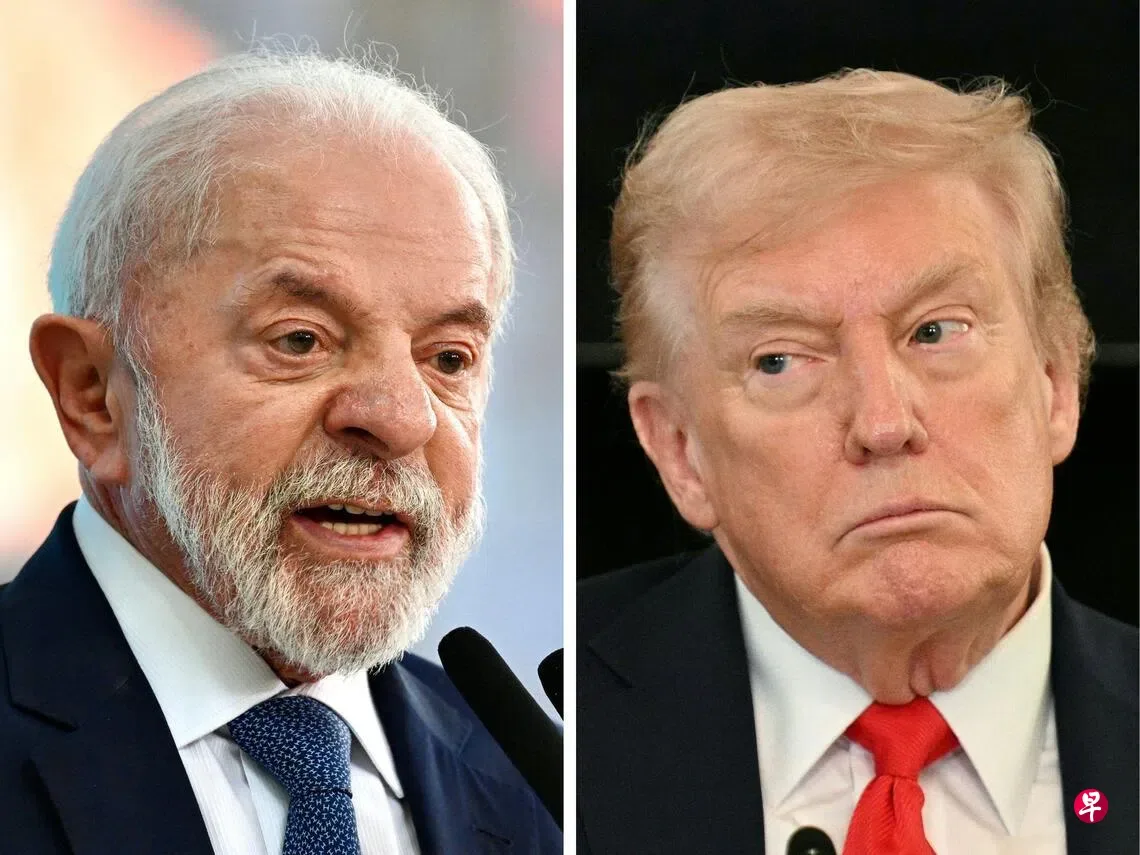
Brazilian President Luiz Inacio Lula da Silva condemned the new tariffs, accusing U.S. political figures like Senator Marco Rubio of anti-Latin American bias. He said, "I spoke to President Trump for three hours, and that Marco Rubio guy... he is anti-Latin American... I already told Trump that he does not like Brazil." Lula also promised retaliatory measures and said, "I could not accept the treatment that Brazil had received after these new tariffs were proposed." [8, 10, 7]
Two Brazilian officials described the U.S. tariff proposal as politically driven and said it ignored many Brazilian arguments [2, 6, 7]. The U.S. government considers Brazil one of several nations under Section 301 investigations and has also recently initiated an investigation into Vietnam’s intellectual property practices [1, 4, 5].
Additionally, the U.S. proposed up to 12.5% tariffs on imports from multiple countries over forced labor concerns. Brazil warned it may respond through its own economic reciprocity laws [11].
The U.S. Trade Representative's office called for public comments by July 1 and will hold a hearing on July 6 ahead of taking responsive action by July 15, 2026 [1, 2, 4, 6, 7, 11].