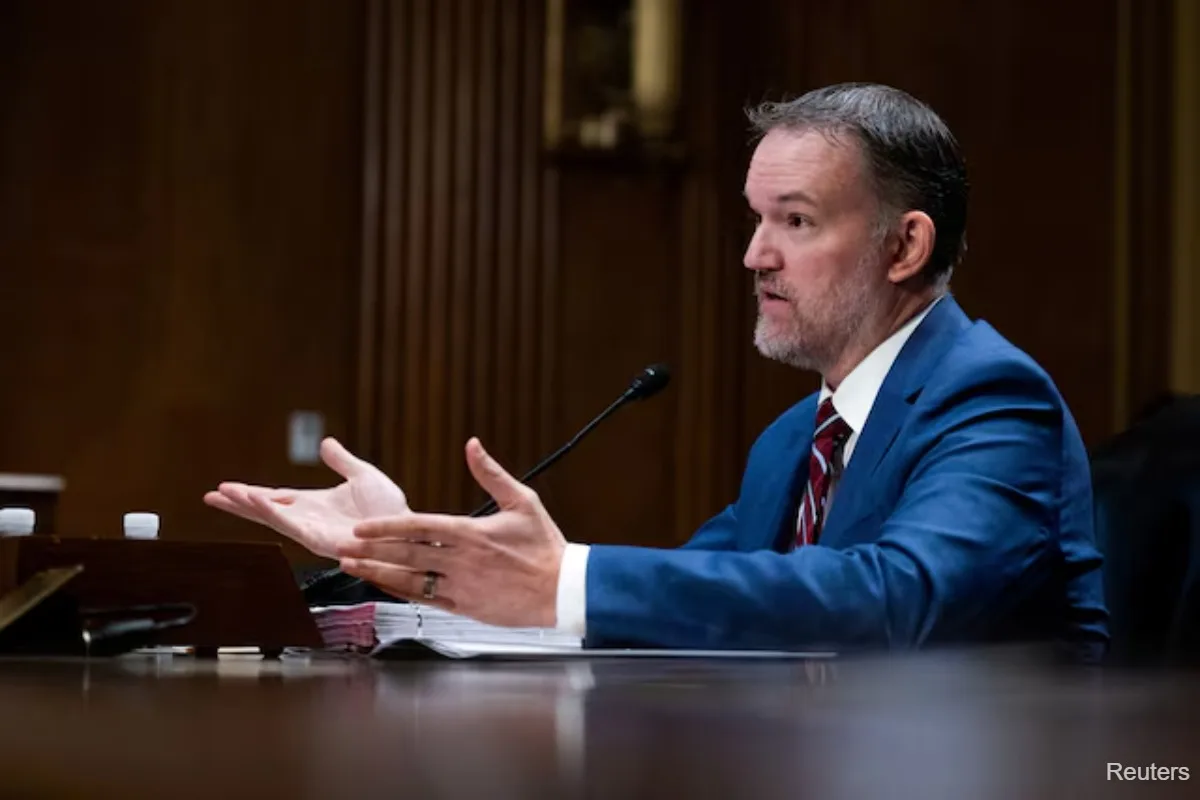
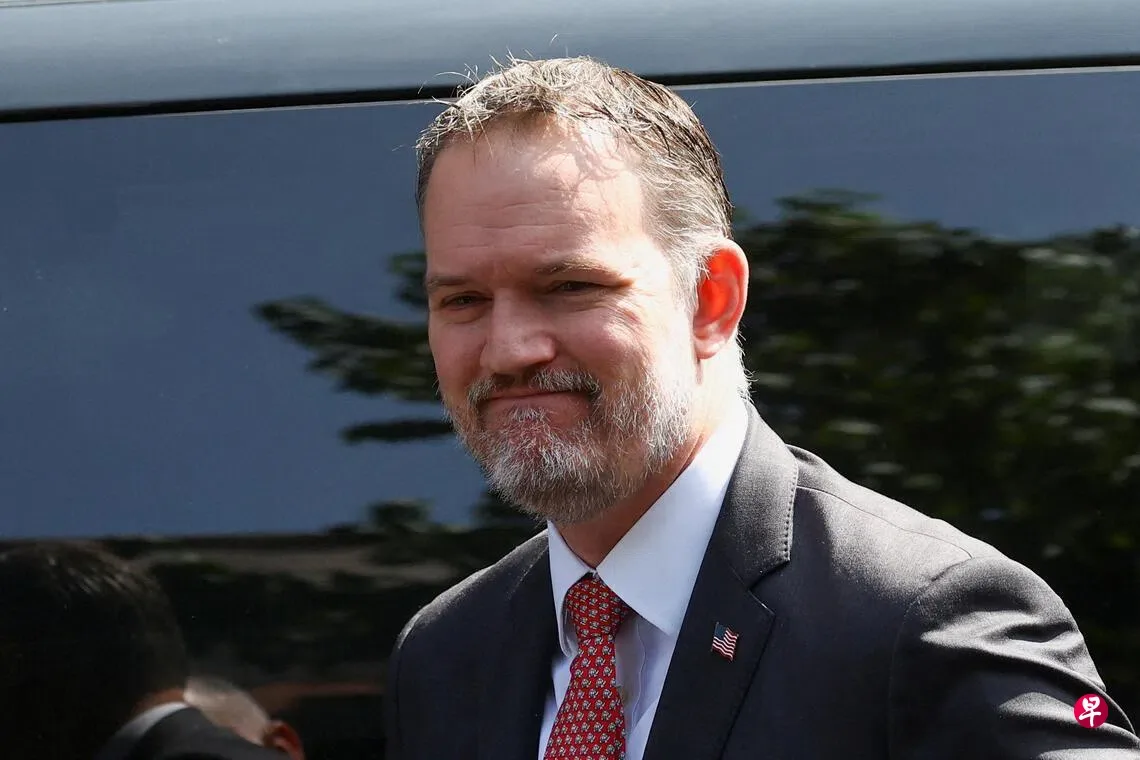
US Trade Representative Jamieson Greer stated on July 27 that the new tariffs imposed by President Donald Trump on 60 trading partners over lax enforcement of forced labor bans likely will have no economic impact. "I don't think it has an impact at all," Greer said, emphasizing the limited scope and similarity of these tariffs to prior measures [1, 2, 3, 4].
The tariffs, ranging from 10% to 12.5%, replaced the recently expired global 10% temporary tariffs which had been imposed under Trump's national emergency authority and covered nearly all US imports. However, the new duties apply only to 60 trading partners yet still cover 99.4% of US imports. Greer explained the new tariffs target a smaller set of countries compared to previously expired universal tariffs, and the rates are comparable, likely limiting economic ripple effects [1, 2, 3, 5, 4].
Greer also said the tariffs will not affect the Federal Reserve’s monetary policy decisions, indicating officials see no risk of economic disruption from the trade measures [1, 2, 3, 5, 4].
Meanwhile, the US Trade Representative’s office is continuing a broad tariff investigation under Section 301 of the Trade Act of 1974. This separate probe targets excess industrial capacity in 16 key trading partners, including China, Vietnam, Mexico, and the European Union. That investigation may result in additional tariffs. Greer said, "We hope to finish up that investigation soon and make a proposal" [1, 2, 3, 6, 5, 4].
Earlier in 2026, the US Supreme Court ruled that Trump’s imposition of broad tariffs under a national emergency law was unconstitutional but cited Section 301 as the proper legal basis for trade actions. Section 301 had been invoked during Trump’s first term to impose steep tariffs on Chinese goods, many of which remain in place despite court challenges [1, 2, 3, 5, 4].
Brazil has sought World Trade Organization consultations against some of the new tariffs, including a 25% tariff on certain Brazilian goods and the 12.5% forced labor-related tariffs. Brazil claims these measures are unreasonable and violate WTO rules [2].
The 10% global tariffs imposed under national emergency authority expired on July 24. The new Section 301 tariffs on forced labor enforcement took effect the same day, covering 60 trading partners with rates of 10% or 12.5% [3, 5, 4].
The Trade Representative’s office aims to conclude the ongoing investigation into excess industrial capacity later this year and present tariff proposals targeting 16 trading partners.