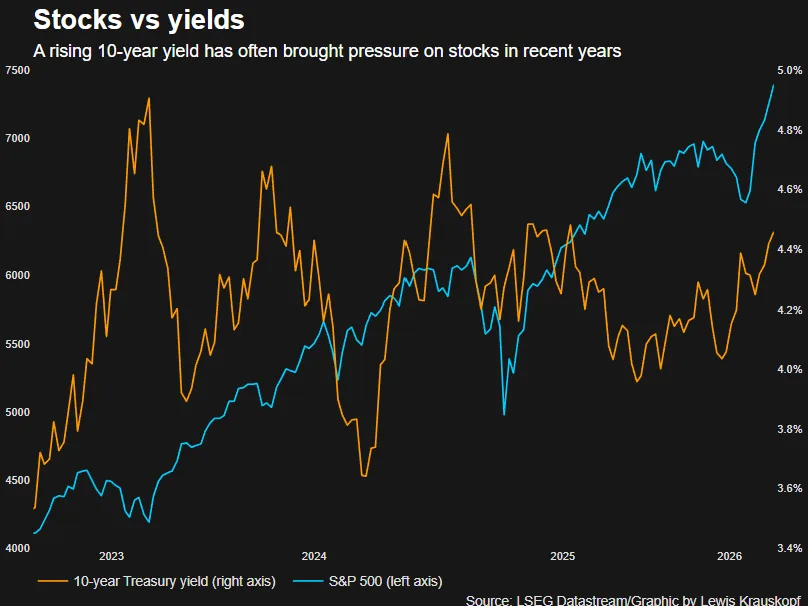
US Treasury yields, including the 10-year and 30-year benchmarks, have surged recently amid persistent inflation and rising energy prices linked to the Middle East conflict [1, 2, 3]. The 10-year Treasury yield reached between 4.48% and 4.55% in mid-May 2026, while the 30-year yield topped 5.1% on May 15, its highest level in nearly a year [2, 3].
Investors expect yields to remain elevated due to inflationary pressures from steadily higher oil prices amid the prolonged conflict in the Middle East. "Whatever oil does is where yields are going," said Christian Hoffman [2]. The rise in long-term yields increases borrowing costs across the US economy, impacting mortgages, corporate bonds, and loans [2].
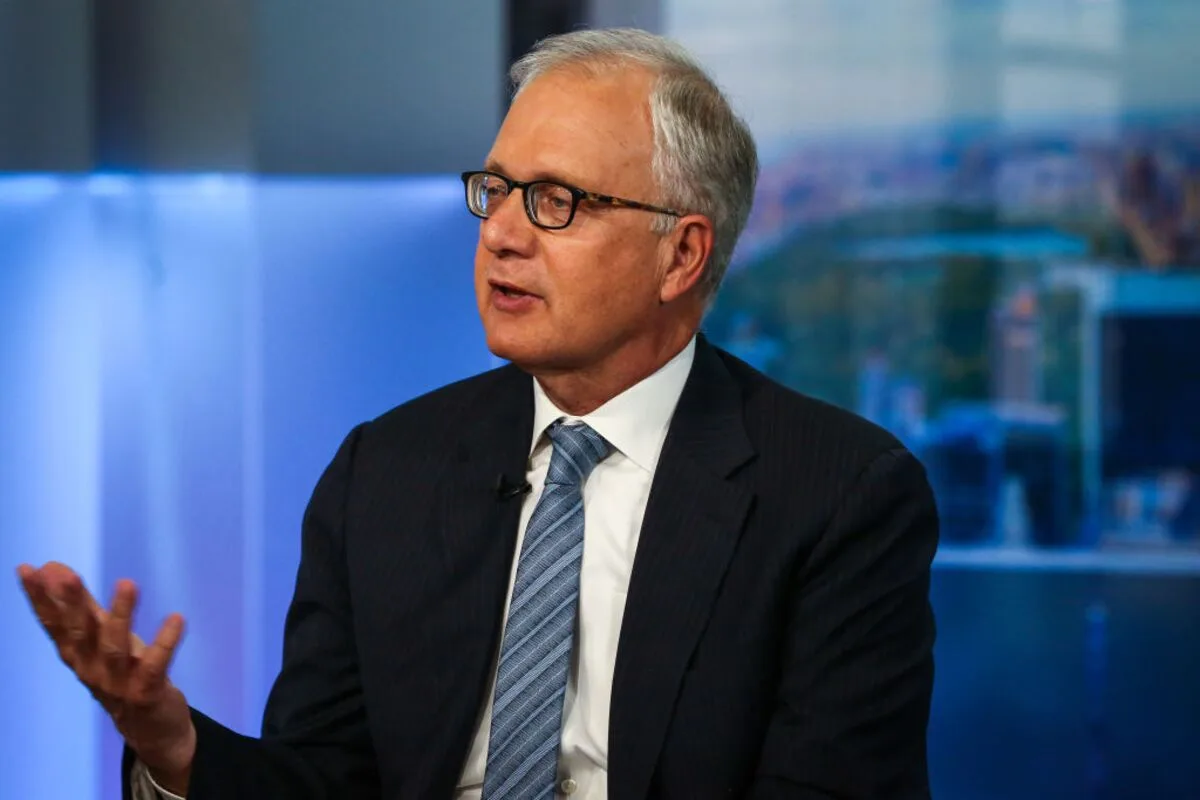
There are divergent views on current yield levels. Ed Yardeni described 4.25% to 4.75% yields as "normal" and not cause for alarm [1], but others argue that yields nearing 5% represent significant market stress with inflation concerns persisting [2, 3].
The Federal Reserve recently appointed Kevin Warsh as its new Chair amid this challenging environment [2, 4]. Warsh faces divided opinions within the Fed over monetary policy. He has argued for possible rate cuts based on his economic outlook but is likely to encounter resistance from officials prioritizing inflation control [4]. At his Senate confirmation hearing, Warsh referred to the Fed’s internal disagreements as a "family fight" [4]. Loretta Mester, a Fed official, said, "I just don't think right now he can make those arguments in a credible way, because we have an inflation problem" [4]. Ryan Swift said if Warsh signals dovish cuts early, "that's going to be a big problem for the bond market" [2].
The US budget surplus for April 2026 was $215 billion, down 17% from April 2025. Interest costs on the national debt totaled $97 billion that month, further complicating fiscal conditions [3]. Inflation remains elevated with recent consumer price index inflation at 3.8% and annual producer price inflation at 6.0% [3].
On May 12, Ed Yardeni called bond yields in the 4.25%-4.75% range "normal" despite the current market conditions [1]. Two days later, investors braced for higher yields as Warsh began his term as Fed Chair amid inflation worries linked to energy prices [2]. By May 15, the 30-year yield neared 5.1%, the highest since May 2025 [3]. On May 16, Warsh faced internal Federal Reserve debate over interest rate cuts amid rising inflation and yields [4].