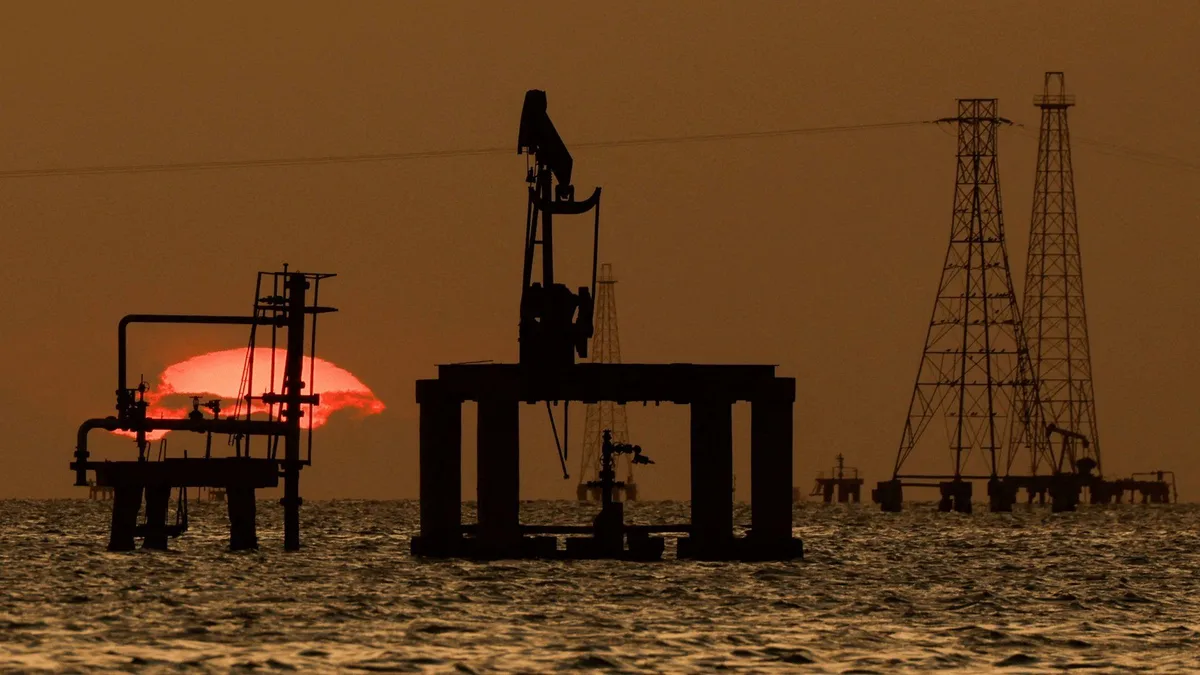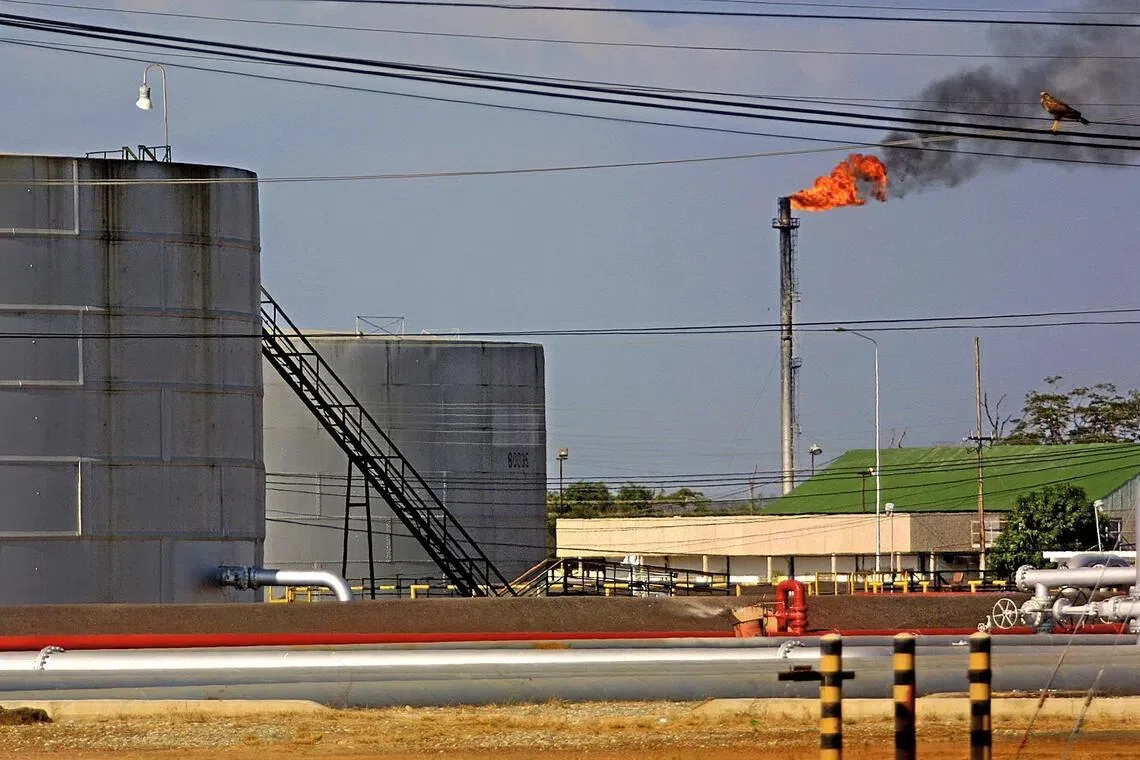
Venezuela’s National Assembly backed a deal on September 1 that grants US companies control or preferential access to about one-fifth of Venezuela’s oil reserves, roughly 65 billion barrels, according to officials [1, 2, 3]. The arrangement covers 17 oil fields and establishes a private company majority-owned by the US to develop these reserves [1, 2, 3].
US Energy Secretary Chris Wright arrived in Caracas on September 1 ahead of the formal signing planned for September 2 [1]. The deal coincides with Chevron’s expected announcement of a major expansion in Venezuela’s oil operations [1].
The acting Venezuelan president aims for initial production from these fields to reach 1.5 million barrels per day, though analysts note that production from many assets will take 7 to 10 years or more to develop [2, 3]. US officials say the deal advances American energy interests by securing reliable oil supplies at cost and counters Russian and Chinese influence near US borders [1, 3]. A US official stated, "First and foremost, (the deal) furthers the national interest of the United States. To buy oil at cost reliably for our country is critically important" [1].
President Donald Trump touted the agreement as a step toward "unleashing American Energy Dominance!" [1]. Venezuela’s Defence Minister Gustavo Gonzalez Lopez said, "Turning a political difference into an economic cooperation agreement is simply a decision to choose peace; it is not subordination" [1].
However, not all Venezuelan lawmakers supported the deal. Some opposition members abstained from the vote due to lack of access to its details and concerns about transparency and legality. Opposition lawmaker Luis Emilio Rondon said, "We need and are obliged to know what is written in the fine print" [1]. Opposition sources also question the deal’s legality and democratic impact [4].
Venezuelan National Assembly chief Jorge Rodriguez asked rhetorically, "Who benefits from this oil if it stays underground?" signaling support for the deal’s production goals [1]. Washington maintains political control in Venezuela after removing Nicolas Maduro in January; the interim government is led by Delcy Rodriguez [1].
Analysts caution the strategic nature of the deal means significant oil production increases will take years. While some US officials forecast it will help tame soaring gas prices amid the Iran war [1], others say immediate price relief should not be expected [3].
The formal signing of the US-Venezuela oil agreement is scheduled for September 2, marking a milestone in a long-term partnership to develop Venezuela's oil resources [1].