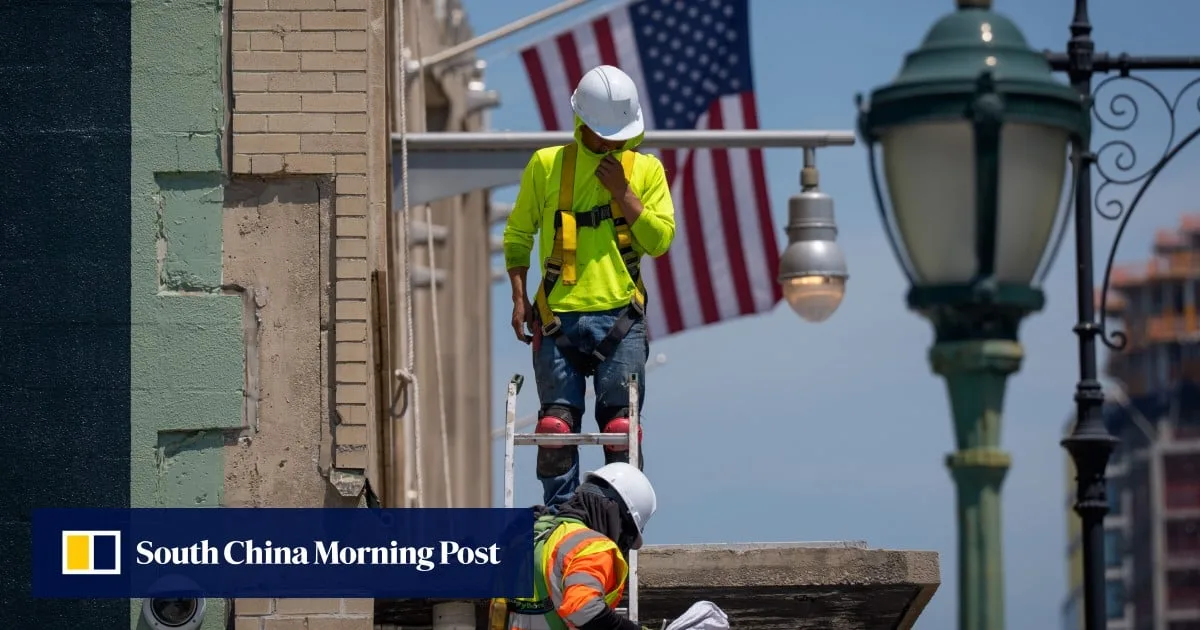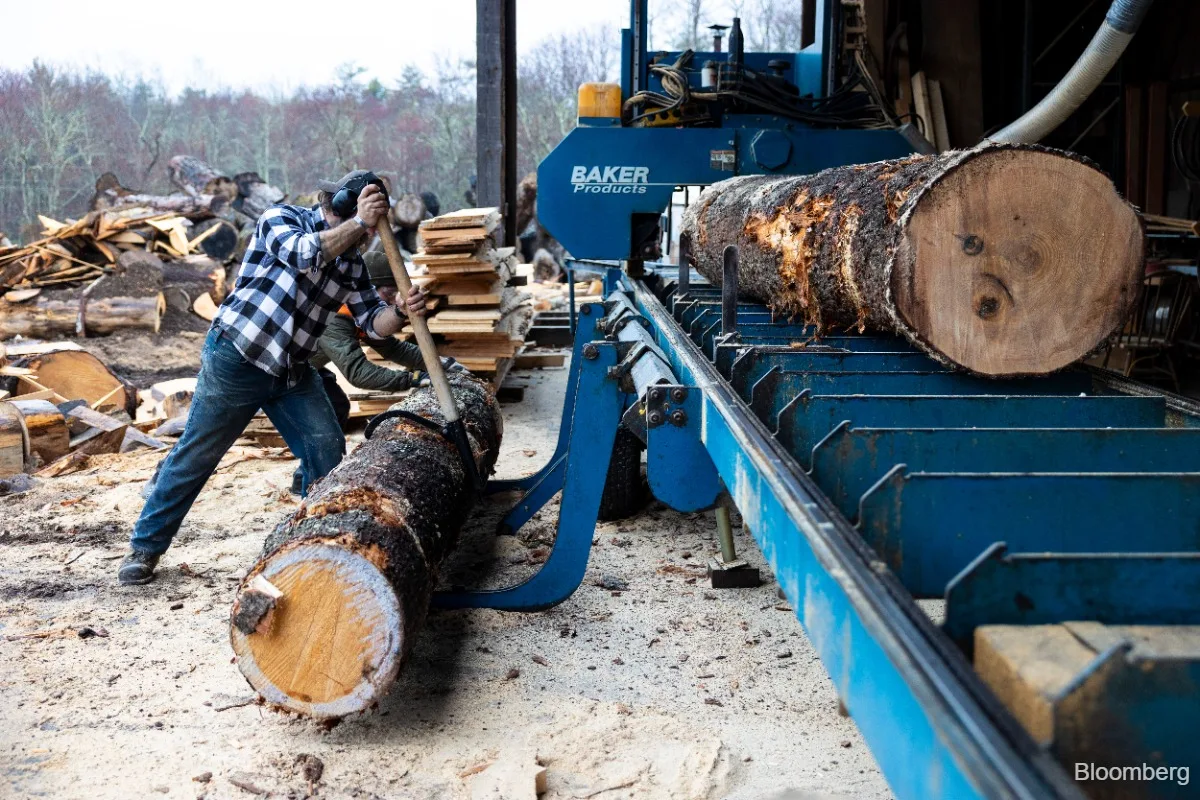
Initial claims for state unemployment benefits in the US fell by 3,000 to a seasonally adjusted 209,000 for the week ended May 16, 2026, below the forecast range of 210,000 to 213,000 by economists [1, 2]. The number signals continued resilience in the labor market amid ongoing economic challenges.
Payrolls increased by 115,000 jobs in April 2026, following a gain of 185,000 in March 2026, showing steady but slowing job growth [1, 2]. The unemployment rate remains at 4.3%, with the labor market characterized as "low-hire, low-fire," indicating cautious employment activity [2].
However, the number of people receiving continued unemployment benefits rose by 6,000 to 1.782 million for the week ended May 9, suggesting some lingering uncertainty in the job market [1].
Geopolitical tensions related to the war in Iran and disruptions in the Strait of Hormuz have driven oil prices sharply higher since February 2026. US gas prices rose from under $3 to $4.56 per gallon, which may be discouraging some business hiring [1, 2]. Federal Reserve officials raised concerns in their late April meeting about inflation risks stemming from these geopolitical tensions and indicated a possible need for interest rate hikes to curb inflation pressures [1].
The labor market data for mid-May captures the balance between steady job growth and inflationary uncertainties. Initial claims fell despite higher energy costs and global instability, reflecting underlying economic resilience.
The next major labor report is expected with May payroll data, which will provide further insight into hiring trends as businesses adjust to inflationary pressures and geopolitical risks.