A whistleblower at the U.S. Postal Service warned that a new mail-in ballot processing system, ordered by President Donald Trump and set to launch around September 1, 2026, is rushed, inadequately tested, and could cause entire batches of mail-in ballots to be rejected due to minor scanning errors [1, 2, 3, 4, 5].
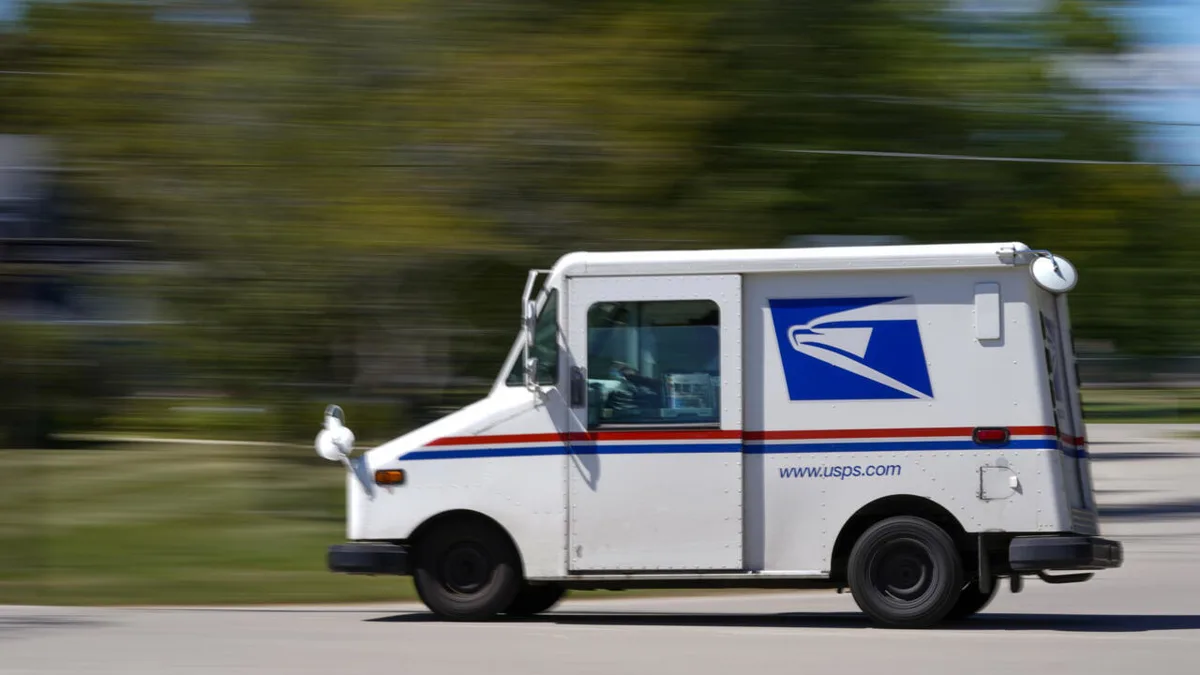
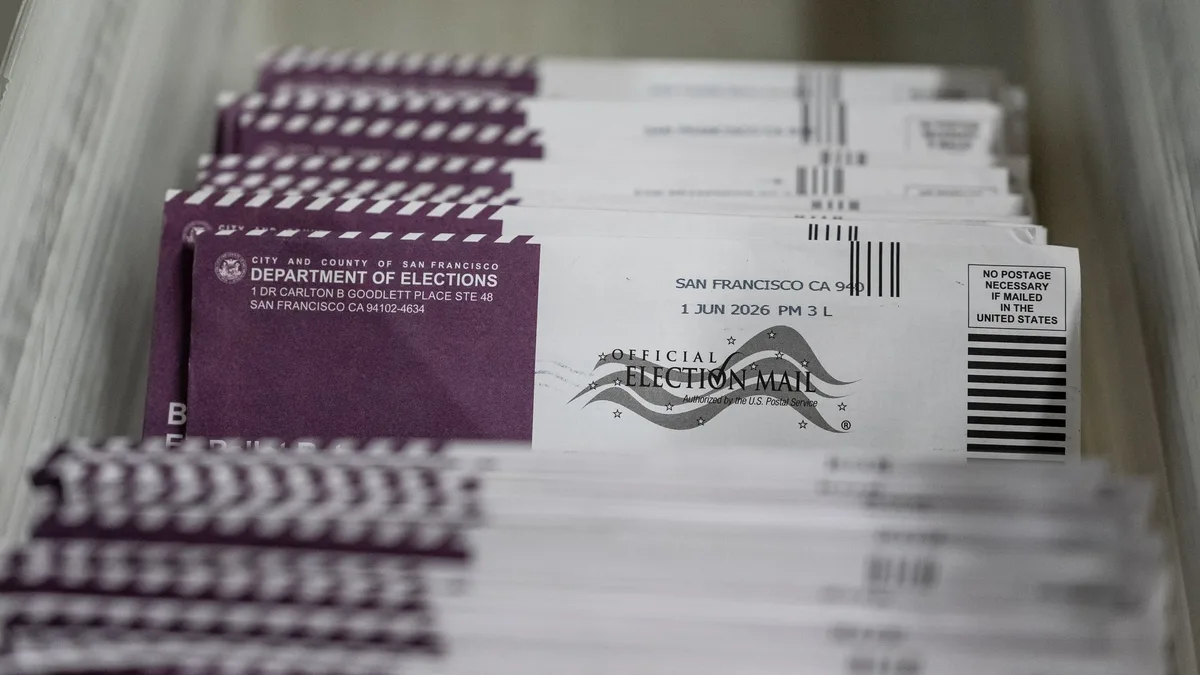
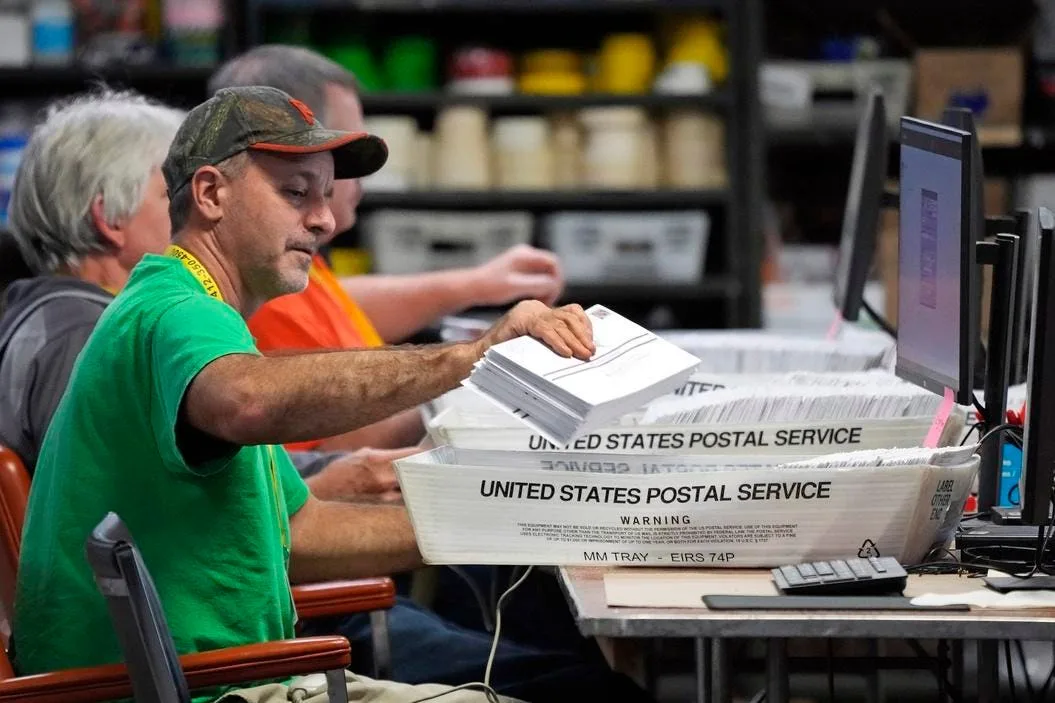
The system requires election officials to upload voter and barcode data to a federal portal. Postal workers then scan samples of arriving ballots against that list before delivery [1, 2, 3, 4]. It enforces a "zero percent failure rate" policy, meaning a single unmatched or unscannable ballot barcode in a batch—sometimes containing thousands of ballots—could lead to the whole batch being rejected or delayed [1, 2, 3, 4].
USPS staff had about three months, including a court-ordered pause, to build the system, but the whistleblower said the full system was only assembled and started testing around August 24, leaving little time to address problems before the planned September 1 launch [1, 5]. Several courts have blocked and unblocked parts of Trump’s executive order mandating the new procedures, but USPS continued developing the system despite some court orders to pause [1, 2, 3, 4]. USPS denied defying courts, saying its work on the ballot portal was lawful [2].
Traditionally, USPS only delivers election mail and has never before imposed requirements that could cause ballot rejections [1, 4]. About one-third of voters used mail ballots in 2024 [1, 6]. The whistleblower said, "Potentially millions of American voters may not receive their mail-in ballot this election cycle in a timely manner, or at all" [3]. Senate Democratic Senator Richard Blumenthal warned USPS "lacks the technical or operational capability" to implement the order without risking voter disenfranchisement [1]. Whistleblower Aid attorneys called the system’s rollout "sloppy and rushed," posing a significant risk [3].
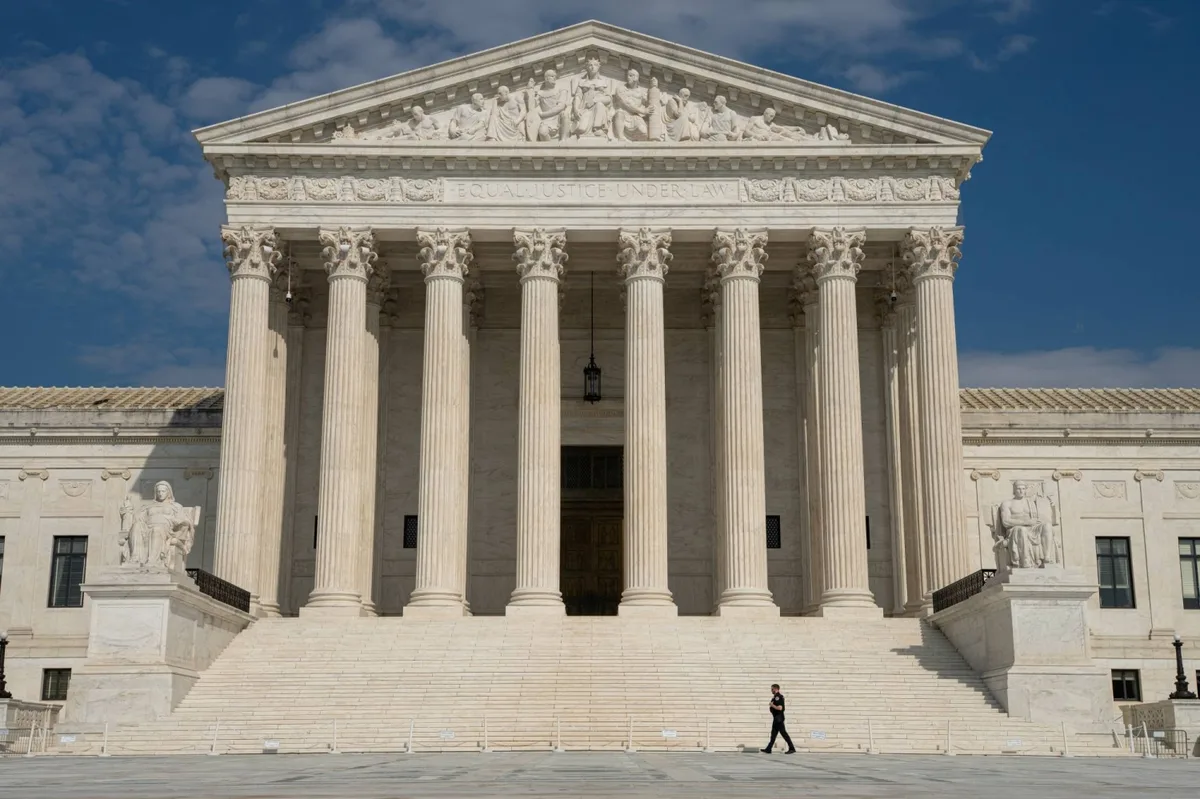
The Trump administration filed an emergency request with the Supreme Court on September 3 to allow USPS to enforce the new mail-in ballot rules before the midterm elections amid ongoing litigation [7]. Early absentee ballot mailings are beginning or imminent in states like North Carolina, raising concerns the new system could disrupt established voting timelines [7, 5].
Republican lawmakers have introduced bills requiring mail ballots to be received by Election Day to ensure orderly counting. Representative Laurel Lee said the bills "don’t limit voting by mail" but clarify deadlines for receipt [6].
President Trump issued the executive order tightening federal control over mail-in voting in March 2026, directing USPS to verify ballots against a federal voter list [1, 5]. USPS issued new rules on August 21 requiring unique barcodes and a federal logo on mail-in ballot envelopes [5]. The system was reportedly only fully assembled and tested starting August 24 [1]. Despite court challenges, USPS planned to launch the processing system on September 1 [1, 2, 3, 4].
The Justice Department’s emergency Supreme Court filing came two days later on September 3 [7], just ahead of states like North Carolina starting absentee ballot mailings on September 4 [7].
The coming weeks will test whether USPS can implement the Federal Ballot Mail Portal system in time to handle millions of ballots without disruption before the November midterms.