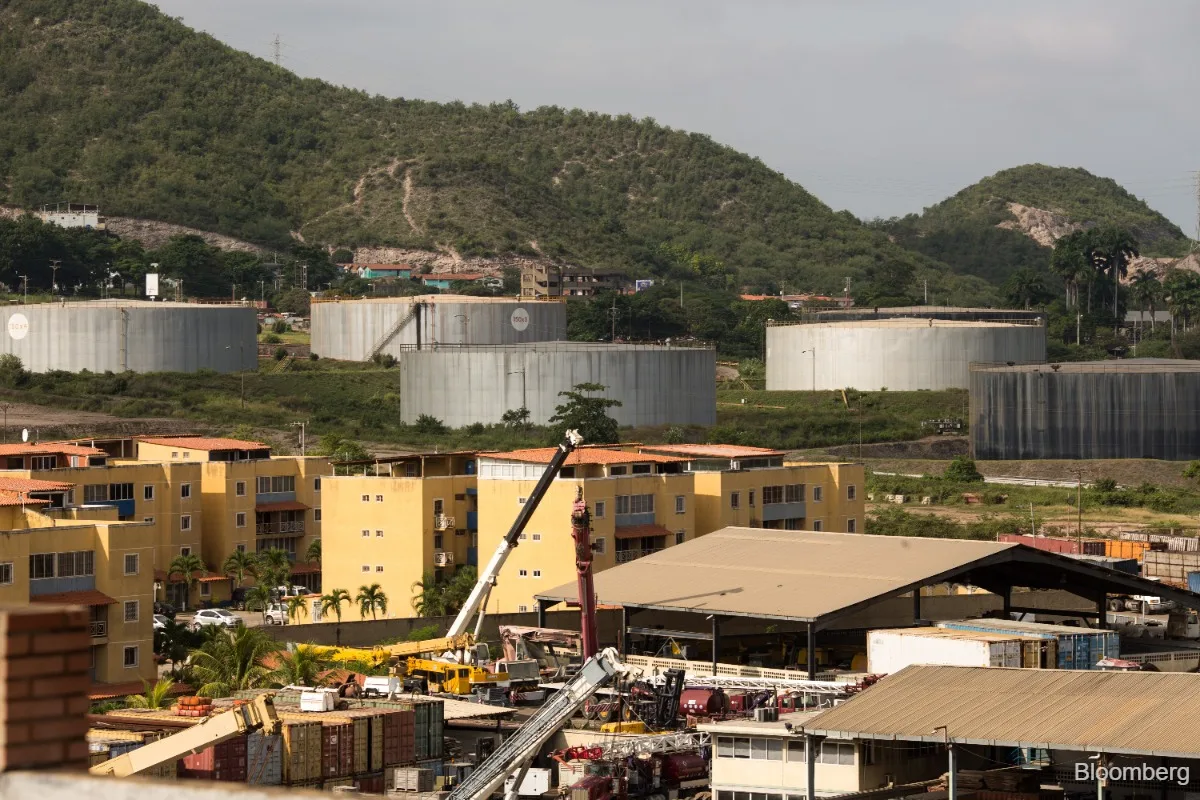
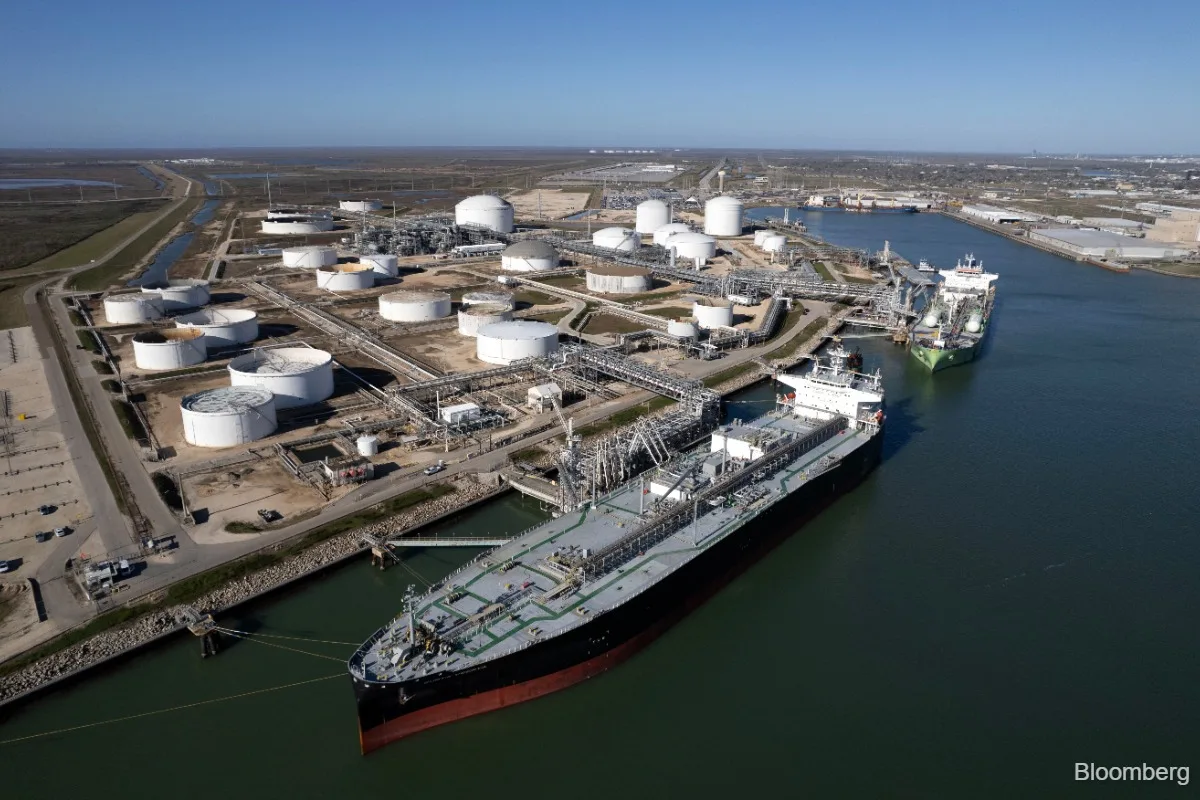
The United States and Venezuela have finalized a deal granting the US control over approximately 65 billion barrels of Venezuela’s proven oil reserves, representing about 20% of the country’s total reserves [1, 2, 3]. The agreement covers development and production from 17 strategic oil fields, with an initial output target of roughly 1.5 million barrels per day [3, 4, 5].
The US Department of Defense will own a 35% stake in North American Blue Energy Partners (NABEP), the private company managing the project. NABEP is led by Venezuelan oil magnate Alejandro Betancourt, who is linked to interim Venezuelan President Delcy Rodriguez and has faced money laundering probes abroad [6, 7, 8].
The lease on the oil fields extends for 100 years, marking a long-term US presence in Venezuelan energy production [1, 7]. US officials plan to use the Venezuelan oil to replenish the US Strategic Petroleum Reserve, which has been drawn down to near historic lows [2, 3, 4].
Interim Venezuelan President Delcy Rodriguez described the agreement as ‘‘historic,’’ emphasizing that Venezuela retains ownership and sovereignty over its resources despite the arrangement. She said, "We must be clear that Venezuela still owns the resources with all ownership and sovereignty" [5, 3]. The Venezuelan National Assembly approved the treaty today, with Assembly Speaker Jorge Rodriguez stating, "Support for the binational energy treaty... is approved" [7]. Some opposition lawmakers abstained, demanding full transparency on the agreement's terms. Opposition representative Luis Emilio Rondon said, "We need and are obliged to know what is written in the fine print. We demand the full and complete text of what has been agreed" [7].
The deal is expected to bring over $100 billion in investment and substantial tax revenues to Venezuela’s interim government [3, 8]. However, critics in Venezuela and some US industry observers say the pact represents economic imperialism or a new form of colonial control by the US [8, 5]. There is also speculation Venezuela might exit OPEC due to shifting political alignments following the ousting of Nicolas Maduro [1, 9].
US President Donald Trump hailed the deal announced last month as a ‘‘Gift from Venezuela to the People of the United States’’ and said the ‘‘topping out process will begin shortly’’ [3]. The White House called it a means to secure US energy dominance for the next century ‘‘at zero cost to the United States’’ [2].
Today, US Energy Secretary Chris Wright is scheduled to visit Venezuela to formalize and unveil the oil agreement [7, 10]. The National Assembly’s approval marks a concrete step toward implementation despite ongoing requests for increased transparency and concerns over sovereignty [7, 10].