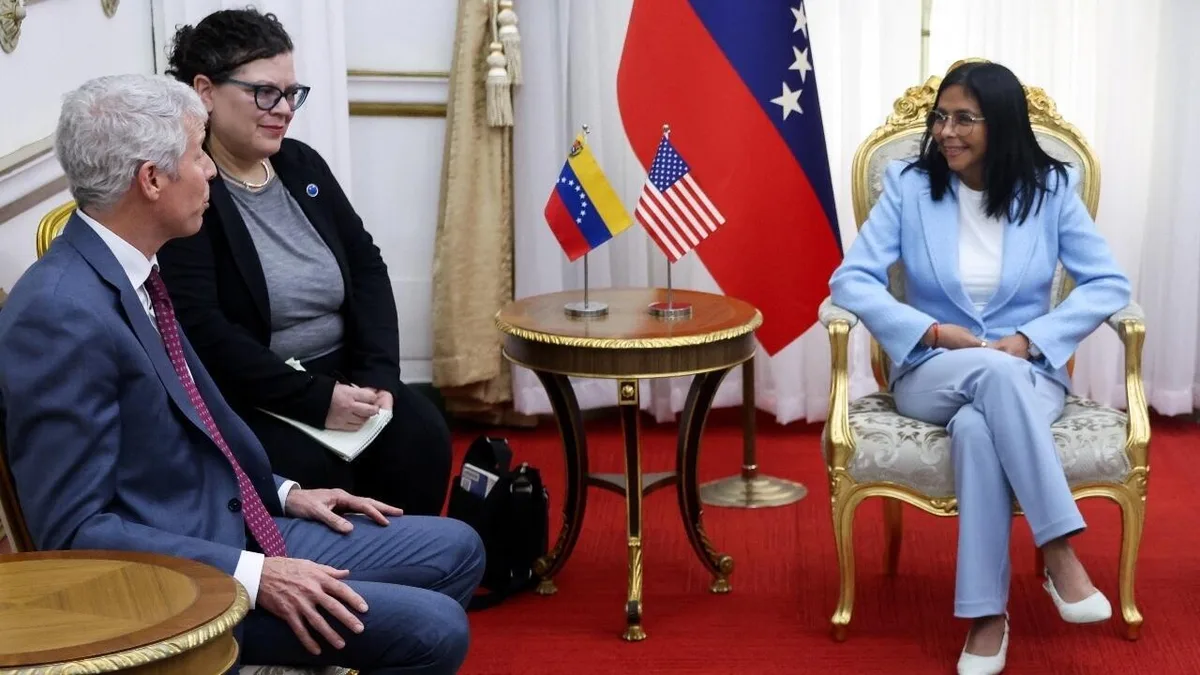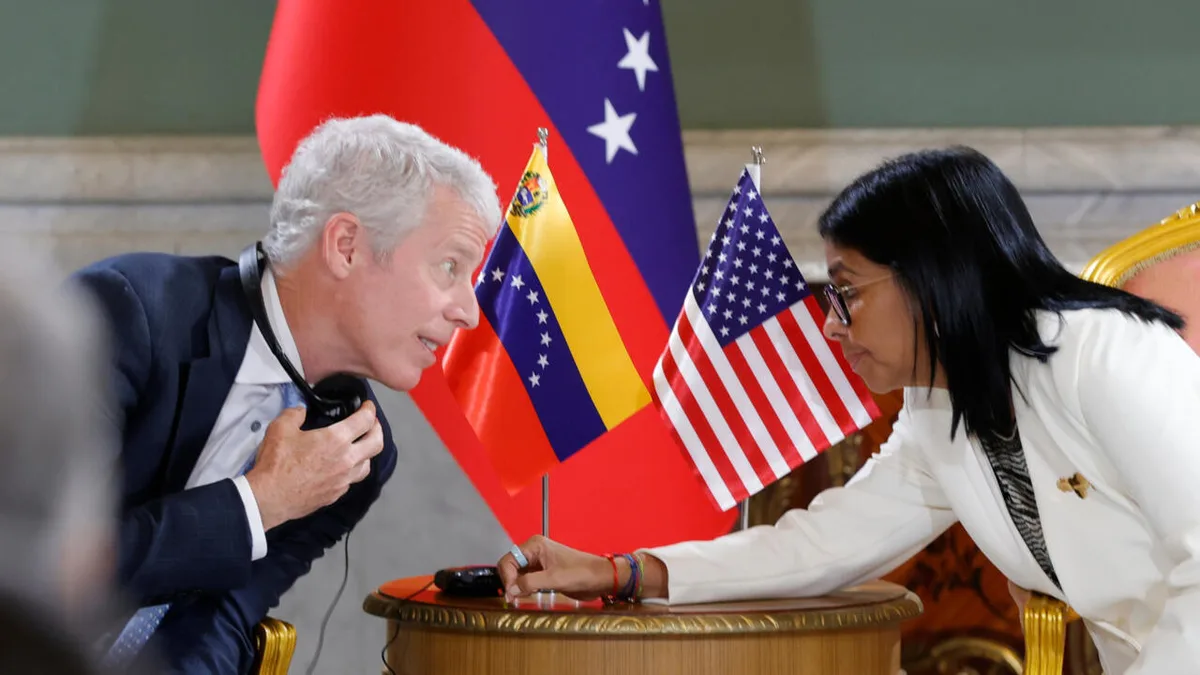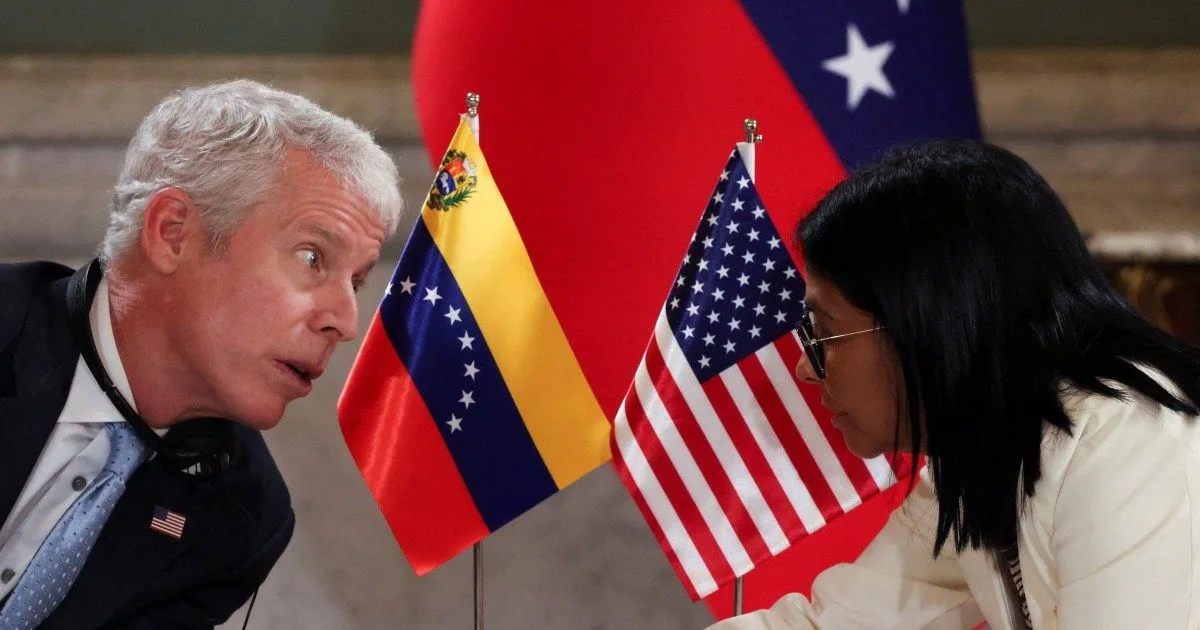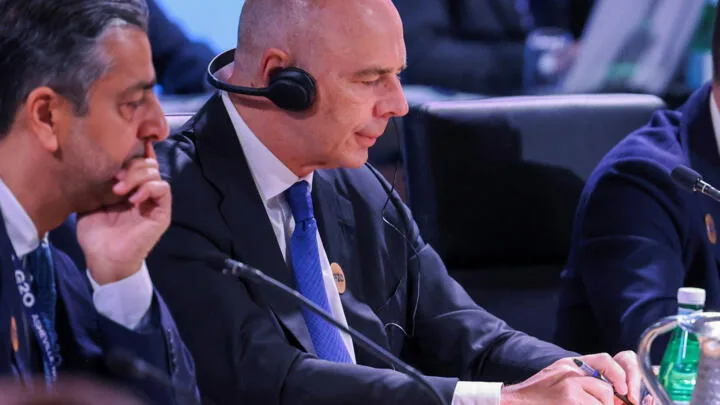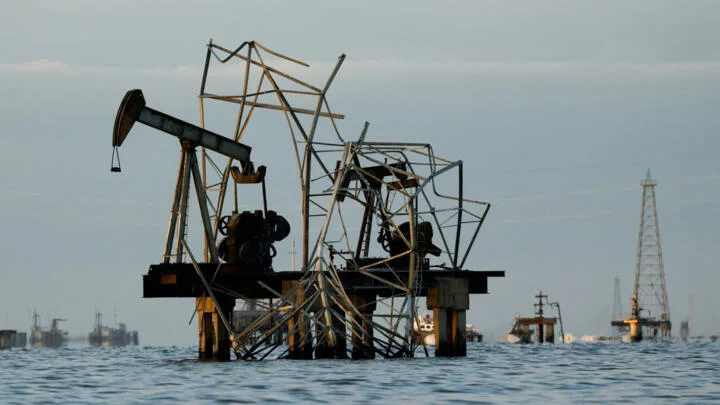
US Energy Secretary Chris Wright traveled to Caracas on September 2-3 to oversee the signing of multiple deals valued at tens of billions of dollars with Chevron, Italy's ENI, and GE Vernova aimed at expanding oil and energy projects in Venezuela [1, 2, 3, 4].
Chevron announced it will invest over $7 billion to develop two additional oil fields in Venezuela's Orinoco Belt. The company expects to more than double its oil output in Venezuela over the next five years, targeting approximately 600,000 barrels per day. Chevron CEO Mike Wirth said, "With improved conditions and additional land, we are strengthening a portfolio that we believe can deliver attractive, low-cost oil growth, support energy supply, and create differentiated value over the long term" [1, 2, 3, 4].
ENI secured exclusive rights to explore and operate the Junin 5 heavy oil field on a 25-year strategic contract. The company plans annual investments of $1.5 billion aiming to increase production at Junin 5 in the Orinoco Belt to 400,000 barrels per day by the end of the decade. Unlike past joint ventures, ENI will assume full technical, financial, and commercial control of the field [1, 2, 4].
GE Vernova, a spin-off of General Electric, signed agreements to help revitalize Venezuela's electricity sector and repair its deteriorated power grid as part of the broader energy deals [1, 2, 3, 5].
These agreements follow a larger US-Venezuela deal announced on August 28 that granted US companies majority control over 17 Venezuelan oil fields containing about 65 billion barrels of reserves. President Donald Trump praised that earlier pact as "the biggest oil deal in world history" and said the US is moving at "Trump-speed" to transform Venezuela's energy sector rapidly [1, 2, 3].
Interim Venezuelan President Delcy Rodriguez, who has governed since US forces ousted Nicolás Maduro in January, expressed optimism about the new deals. She said, "More oil translates into more jobs, higher wages, better public services, hospitals, schools and food" [3]. Rodriguez also stated elections will be held when Venezuela is deemed ready [5].
Addressing accusations that the US is "stealing Venezuelan oil," Energy Secretary Wright emphasized, "The oil in Venezuela is indeed owned by the people of Venezuela. Private companies are bringing the money to produce the oil, but the benefits, the royalties and the taxes all go to the government of Venezuela and the people of Venezuela" [3, 5].
Chevron, active in Venezuela since 1923, operates joint ventures including Petropiar and Petroindependencia in the Orinoco Belt, and Petroboscán in western Zulia state. ENI has operated there since 1998 but will now move away from joint ventures with PDVSA for Junin 5 to assume full control [4].
The next major milestone will be the continued ramp-up of production and power projects as the newly signed contracts take effect in coming months.