Asian semiconductor stocks climbed on Alphabet Inc.'s plan to invest up to $200 billion in AI computing power in 2026, boosting chipmakers including memory maker SK Hynix and Taiwanese designer MediaTek [1].
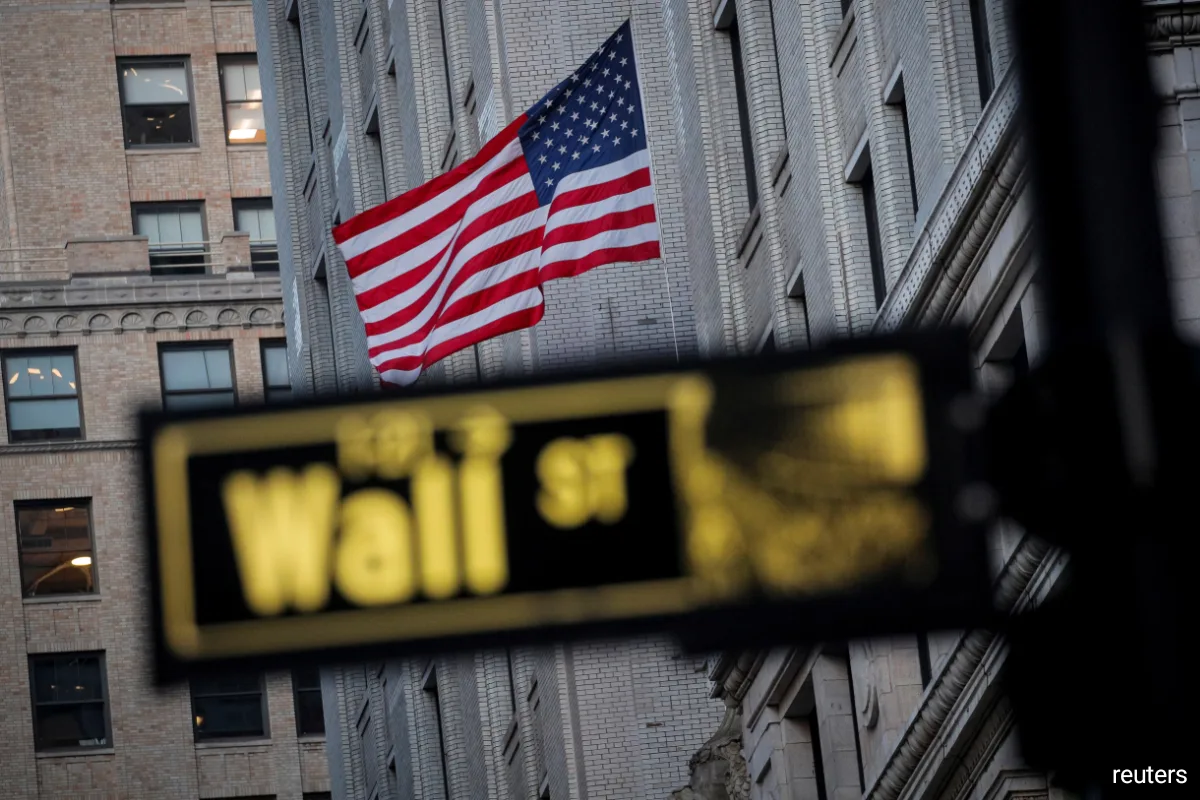
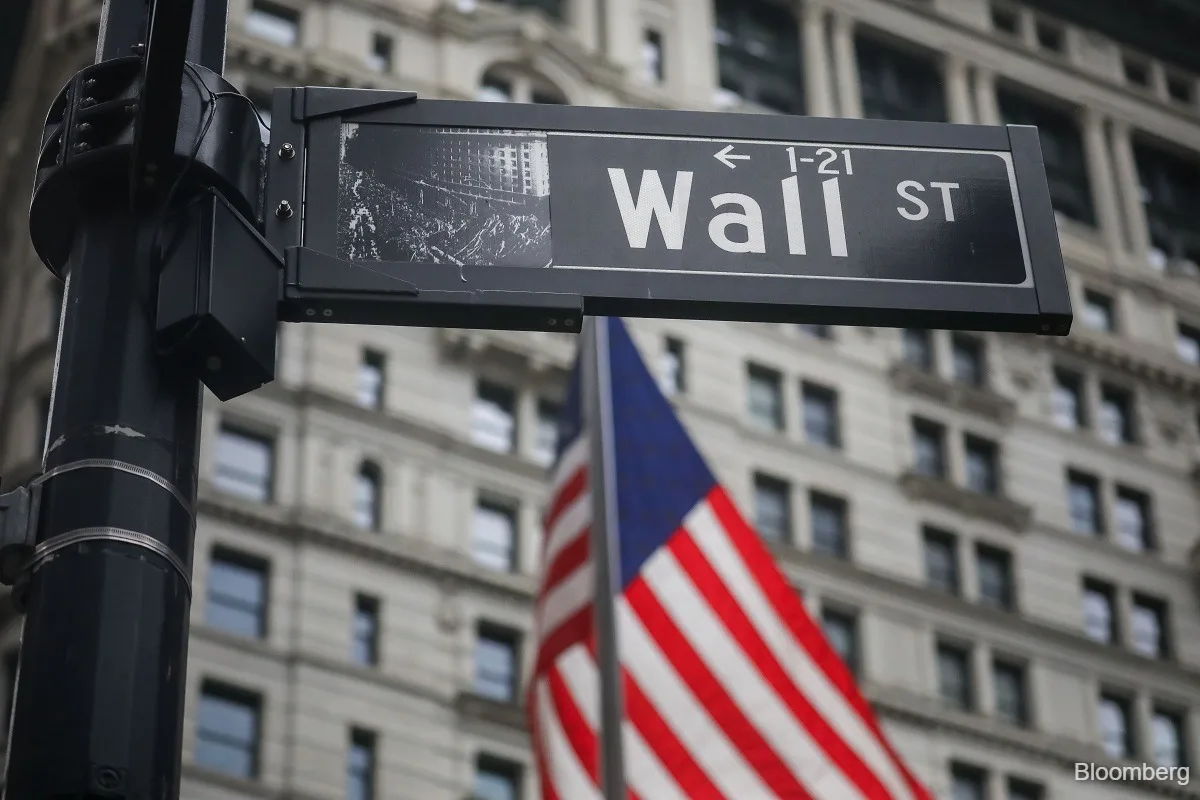
Wall Street indices rose July 20-21 on a chip stock rebound despite geopolitical tensions and rising oil prices. The Philadelphia Semiconductor Index, which had dropped more than 20% from a late-June peak, rallied 2.5% to 5.2% in mid-July, led by strong gains on July 21 [2, 3, 4, 5, 6]. The Dow closed at 52,224.64 and the Nasdaq at 25,837.21 on July 21 [4, 7].
Investors are closely watching second-quarter earnings from megacap tech firms including Alphabet, Tesla, Intel, and Texas Instruments for signs that heavy AI spending will translate into profit and support valuations [2, 3, 5, 8, 6, 9, 10, 11]. Alphabet reported cloud revenue well above expectations and a backlog of contracts exceeding $500 billion as of July 23 [11]. Tesla’s Q2 earnings fell short of estimates, causing some caution among investors [11, 12].
Chip stocks have shown volatility ahead of key earnings reports, with semiconductor indices fluctuating and some declines after initial rebounds [9, 10]. On July 23, Wall Street closed lower amid worries about heavy AI spending, disappointing earnings, inflation concerns, and Brent crude oil prices surpassing $100 a barrel [12].
Geopolitical risks weighed on markets, as US airstrikes targeted Iran and Iran retaliated, escalating Middle East tensions and pushing oil prices higher [3, 8, 11, 12]. US President Donald Trump announced 50% tariffs on Canadian imports from July 20 and threatened major military retaliation against Iran and Houthi forces, adding to market uncertainty [3, 4, 11, 12]. Trump said: "The US would respond if the Iran-backed group disrupted the vital trade route... We remain ready to hit Iranian bridges and power plants if attacks continue" [11].
Market strategists highlighted cautious sentiment. Jack Herr of GuideStone Funds said, "There's just a little less room for error in the market at this point. Any sort of events or earnings news could probably move the market down" [2]. Art Hogan of B Riley Wealth noted, "To end this tug-of-war, we need to hear from hyperscalers like Alphabet reaffirming their CapEx spending plans. Such affirmation from large players is likely to put a floor under the drawdown in semiconductor names" [3]. Bret Kenwell at eToro said, "Investors are no longer asking whether companies can withstand the uncertainty; they want growth and guidance strong enough to justify elevated valuations" [5].
Amid mixed investor sentiment, some are bullish on AI-driven chipmakers, while others remain cautious about the sustainability of gains given inflation and geopolitical risks [5, 6, 9, 10, 12]. Lindsey Bell of 248 Ventures pointed out, "Investors are really buying back in to the semis ahead of earnings because they have fear of missing out (FOMO). But the stocks are also priced for perfection" [4].
Separately, AI startup Moonshot AI plans August talks to raise $50 billion ahead of a Hong Kong listing, fueled by AI enthusiasm [8].
Earnings reports will continue drawing investor focus this week as the tech sector’s AI spending plans face scrutiny. Market participants will watch for further earnings results from major chipmakers and tech giants in the coming days to assess confidence levels amid ongoing geopolitical and inflationary pressures.