Federal Reserve Governor Christopher Waller said on September 3, 2026, he is inclined to keep interest rates unchanged at the upcoming Fed meeting if inflation data due in mid-September shows continued progress toward the 2% inflation target [1, 2, 3, 4]. "If this continues in the data due over the next two weeks, I would be inclined to support holding the target for the federal funds rate at its current setting," Waller said in a Reuters interview [3].
Waller noted that inflation trends are improving, with the three-month inflation rate falling from 4.76% in February to 3.05% currently [3]. However, he stressed that policy is only slightly restricting aggregate demand and a small pickup in inflation could prompt tighter policy. "I judge that policy is currently only slightly restricting aggregate demand, and it may not take much acceleration in inflation to nudge me into supporting tighter policy," he added [3].
Waller also said that if inflation data instead shows a reversal or remains "hot," he would consider a rate hike in September [2, 3]. This cautious stance reflects roughly even market expectations for a rate hike versus a hold at the Federal Reserve's September 15-16 meeting following Waller’s comments [2].
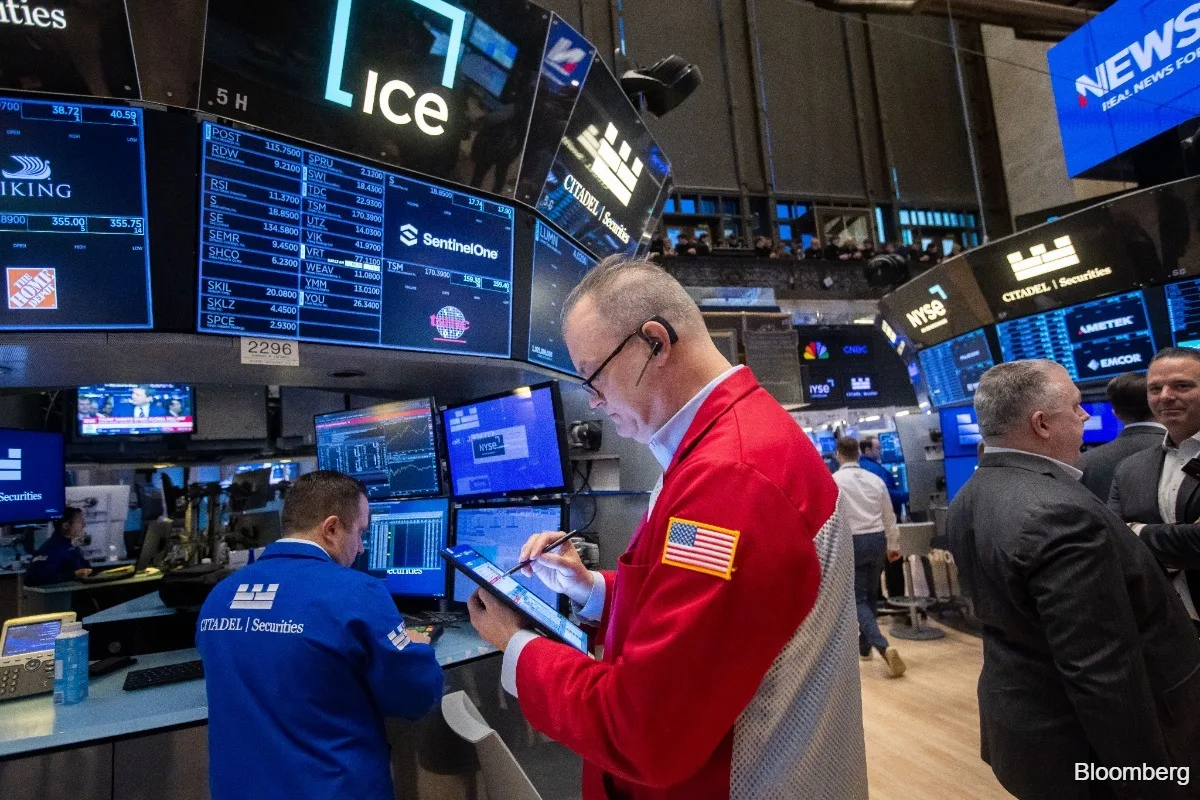
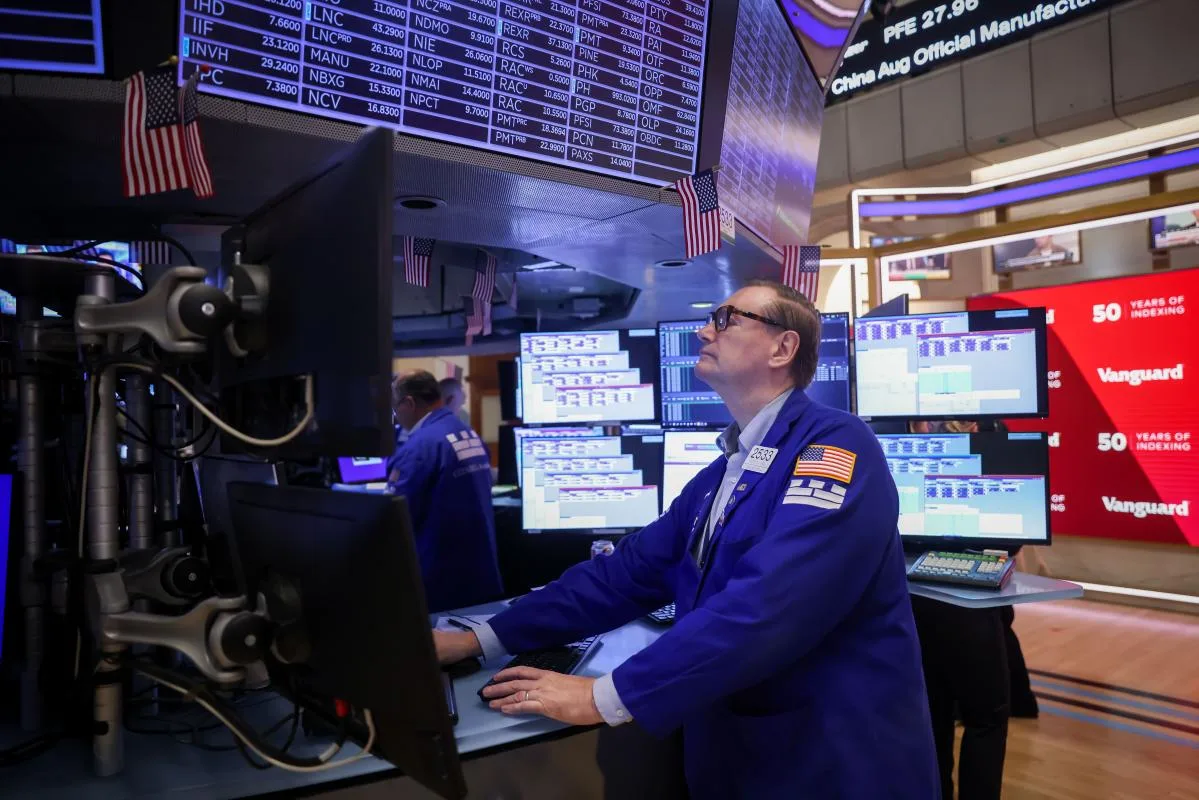
Markets responded positively to Waller’s remarks, with Wall Street's main indexes opening higher on September 3. The Dow Jones Industrial Average rose 247.2 points, or 0.47%, to 53,309.17, the S&P 500 gained 20.1 points, or 0.26%, to 7,686.71, and the Nasdaq Composite added 118.5 points, or 0.45%, to 26,336.32 at the open [1, 4]. Stocks continued their rally on September 4, with mega cap shares pushing the S&P 500 up 1.1% [2].
The dollar hit lows not seen since May 2026 following the remarks, reflecting eased speculation about aggressive rate hikes [2]. Tom Essaye of The Sevens Report said, "A Goldilocks report will help reduce rate hike concerns, which should lower yields. Conversely, a ‘too hot’ report will only further reinforce fears of more rate hikes" [2].
There is some divergence within the Fed, as Waller expressed optimism about improving inflation trends, while Fed Chairman Kevin Warsh cautioned that recent softer inflation readings do not indicate meaningful improvement and said "we have work to do" [3].
The Federal Reserve is set to meet on September 15-16, 2026, when officials will decide on interest rate policy based on the incoming inflation data and economic conditions [2, 3].