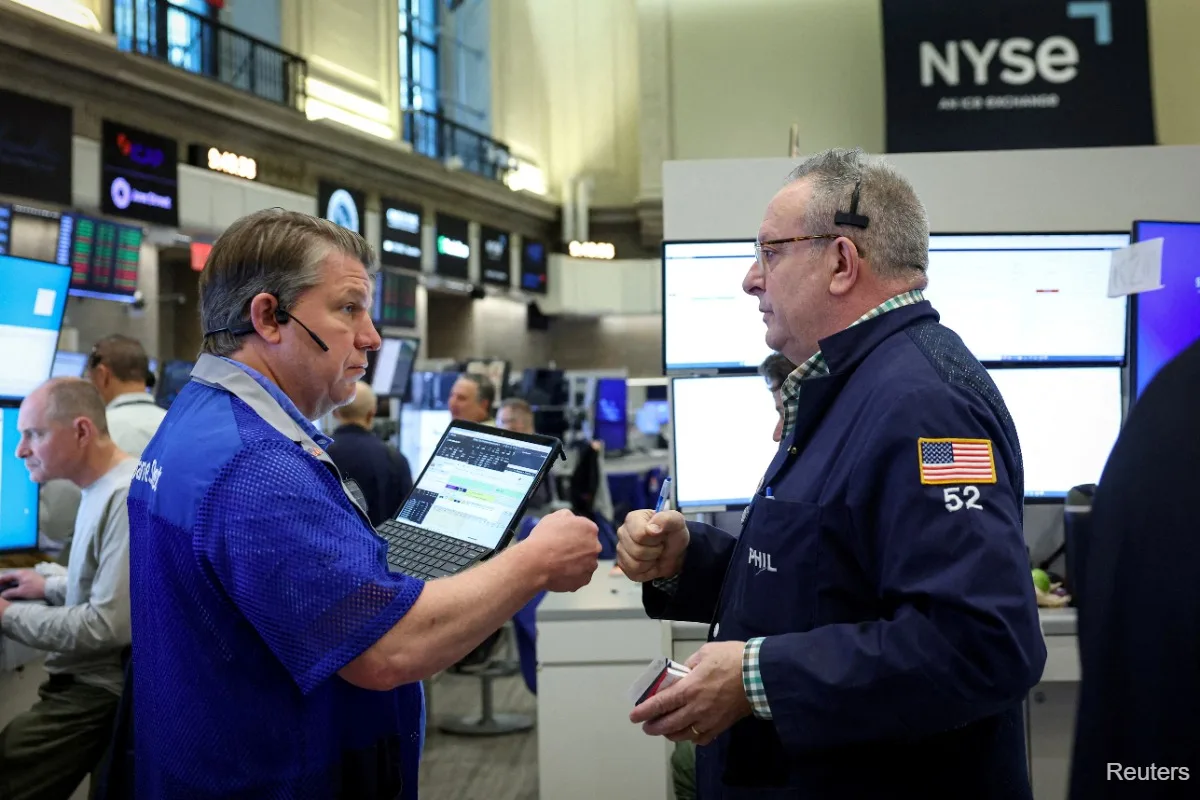
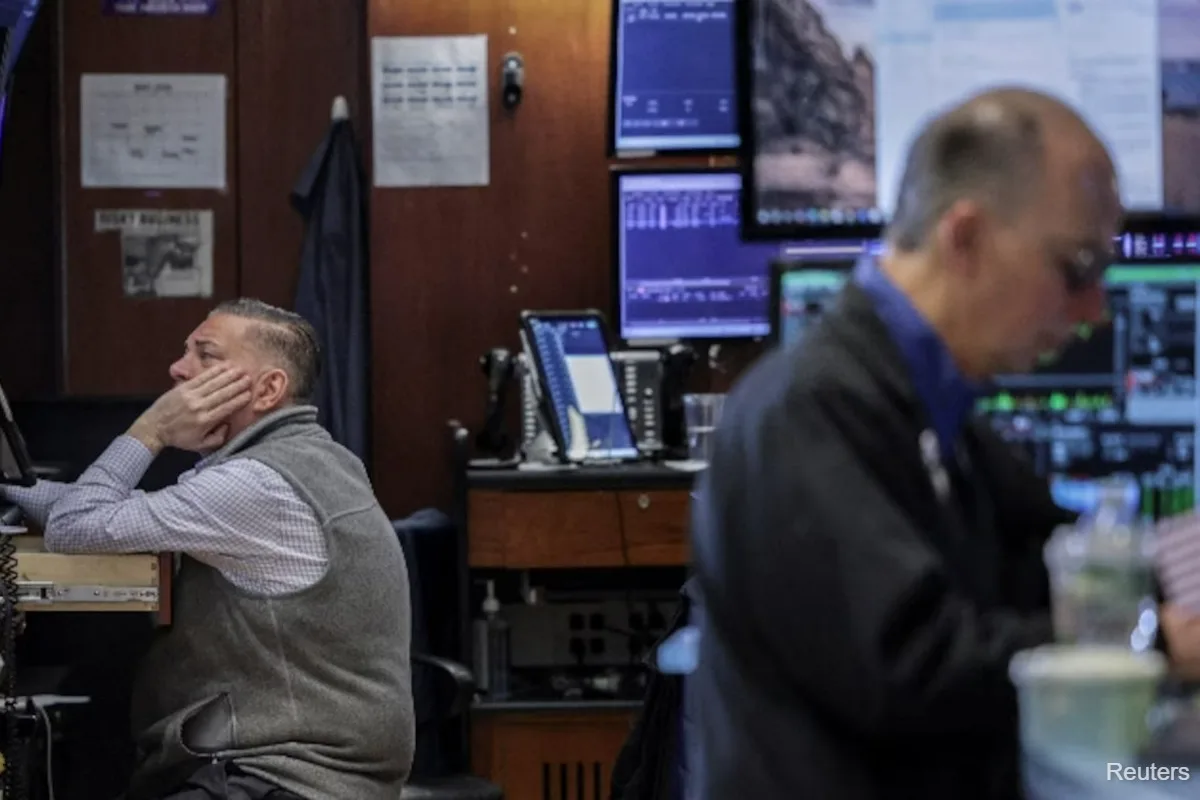
Global equity markets experienced a sharp sell-off on May 15 amid growing inflation worries driven by rising oil prices linked to the ongoing Middle East conflict [1, 2, 3, 4, 5, 6, 7]. US stock indices opened sharply lower, with the Dow Jones down 133.2 points (0.27%) at 49,930.26, the S&P 500 falling 56.1 points (0.75%) to 7,445.11, and the Nasdaq Composite dropping 346.3 points (1.3%) to 26,288.92 [2, 4, 6]. By the close, losses deepened as the Dow fell 537.29 points (1.07%) to 49,526.17, the S&P 500 declined 92.74 points (1.24%) to 7,408.50, and the Nasdaq shed 410.08 points (1.54%) to 26,225.15 [3, 7].
Oil prices surged amid Middle East tensions, with Brent crude passing $109 per barrel and settling at $109.19 at the close [1, 3, 5, 7]. US Treasury yields also reached roughly a one-year high, with the 10-year yield climbing 13.8 basis points to 4.597% [3, 5].
Asian markets suffered steep losses and volatility. South Korea’s KOSPI index dropped more than 6%, ending a strong rally year-to-date as investors took profits and fretted over inflation risk [1, 3, 6, 7]. Taiwan’s stock market saw extreme swings, opening near a record high before plunging nearly 1,400 points intraday. The TAIEX index closed down 579.39 points (1.39%) at 41,172.36, losing key moving averages [6, 7]. Key technology and semiconductor stocks in Taiwan and South Korea declined sharply amid profit-taking and fears around inflation and interest rate hikes [6, 7].
Cryptocurrency markets also continued declines, with Bitcoin falling from roughly $84,000 to $76,000, and total crypto market capitalization losing about $250 billion [6, 7]. Analyst Raoul Pal said the drop stemmed from tight US dollar liquidity across assets rather than a deterioration in crypto fundamentals [6].
Market strategists pointed to inflation concerns and bond market signals disrupting recent high-growth and AI-driven rallies. Kenny Polcari, chief market strategist at Slatestone Wealth, said, "There’s a realisation that the market had gotten way ahead of itself... Inflation remains sticky and is potentially going to move higher in the months ahead" [3]. Seth Hickle of Mindset Wealth Management noted, "With sticky inflation, higher rates are going to be here for longer" [5].
US President Donald Trump departed China on May 15 without significant breakthroughs on trade or easing the Middle East conflict, which continues to weigh on investor sentiment [3].
Investors will watch coming days for reactions to inflation data and any geopolitical developments that could impact oil prices further.