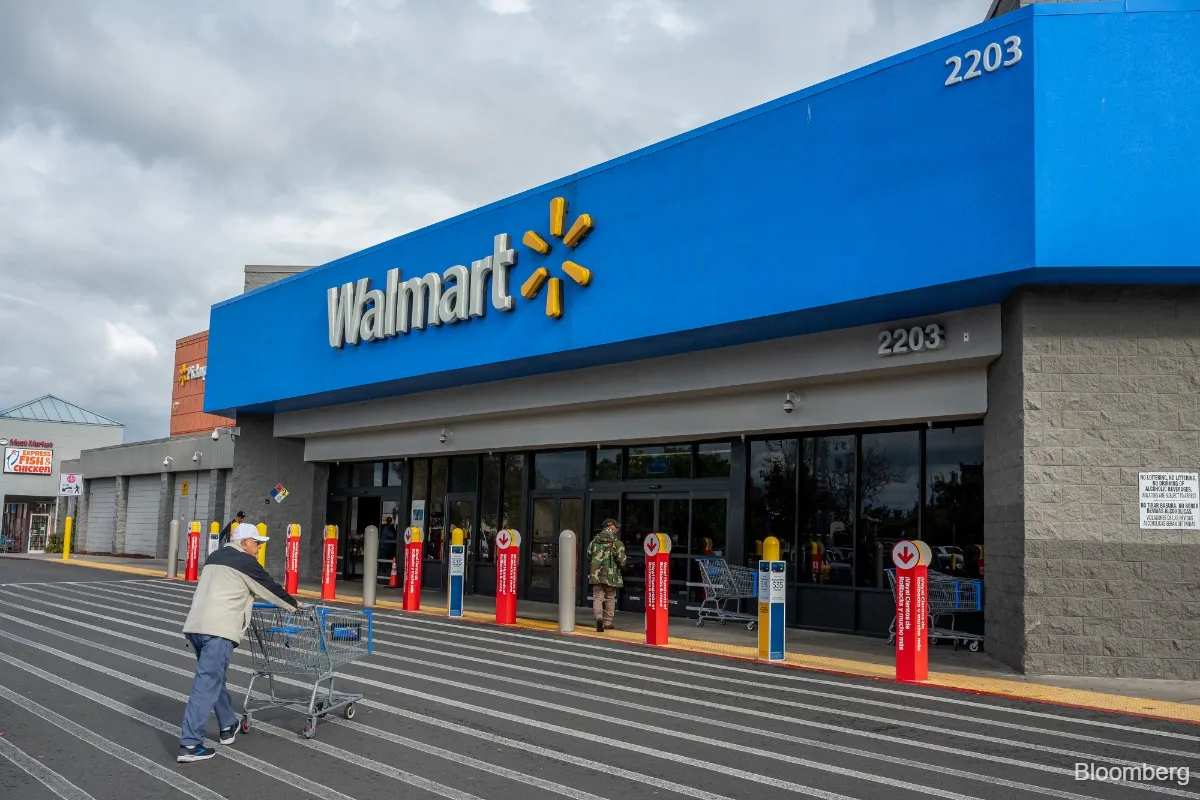
Walmart warned that rising gas prices are forcing US consumers to cut spending and expects sales growth to slow sharply from May to July compared to the previous quarter [1, 2, 3]. The average price of a gallon of gas in the US surged to about $4.56 from $3 since the Iran war began, pressuring household budgets [1].
In its first quarter ending April, Walmart posted a profit of $5.3 billion, up 18.8% year-over-year, on sales of $177.8 billion, a 7.3% increase [1, 4]. Excluding fuel, comparable US store sales grew 4.1%, slightly beating analyst expectations [2, 4]. Sam's Club, Walmart's warehouse chain, also saw comparable sales rise 5.9%, reflecting customer demand for gas value [4].
However, Walmart took a $175 million hit to profit growth due to increasing fuel costs while keeping prices steady to maintain customer trust. CFO John David Rainey said, "We're confident this was the right approach to reinforce customer trust and support share gains over the long term. That said, these are real impacts to cost of goods sold for us and our suppliers" [4]. Operating income increased 5% to $7.5 billion, with fuel costs dragging growth by a quarter of a percentage point [4].
Rainey highlighted the widening gap between high- and low-income consumers. "The high-income consumer is spending with confidence in many categories, whereas the low-income consumer, we can tell, is more budget-conscious, trying to navigate certain financial distress," he said [2]. Higher tax refunds earlier this year helped offset consumer pressures, but Rainey warned, "as we're in a period of time right now where those tax refunds are largely not coming in, I think consumers are going to feel more of that pressure from higher fuel prices" [1].
Walmart also cautioned that continued disruptions at the Strait of Hormuz could affect food supply chains and increase prices by impacting fertilizer availability, though this carries medium confidence [1].
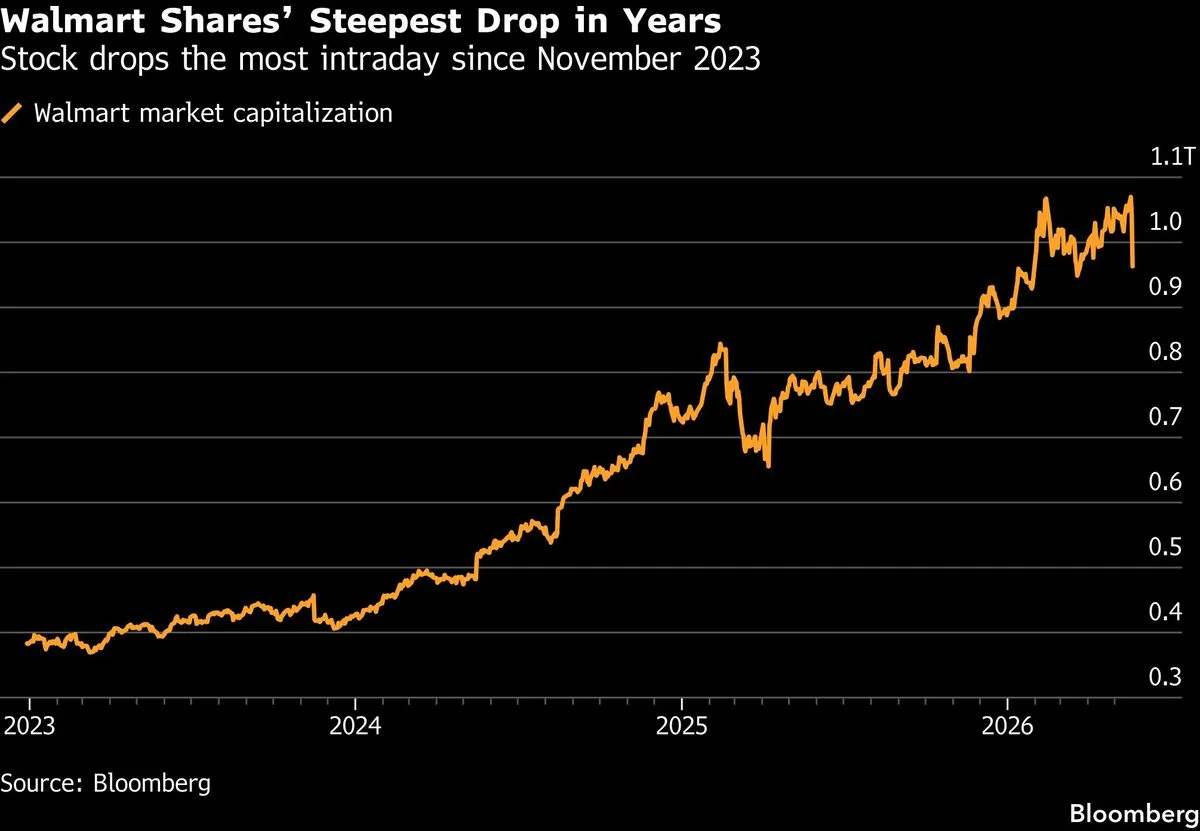
Looking ahead, Walmart said if fuel costs remain elevated through 2026, it will likely need to raise store prices later this year to offset rising expenses [1, 4]. Following its earnings report and caution over future profit margins, Walmart shares dropped about 7% on May 22 [1, 2, 4].
Walmart will monitor fuel cost trends and consumer behavior closely in the second quarter as it balances cost pressures against efforts to keep prices stable and sales growth intact.