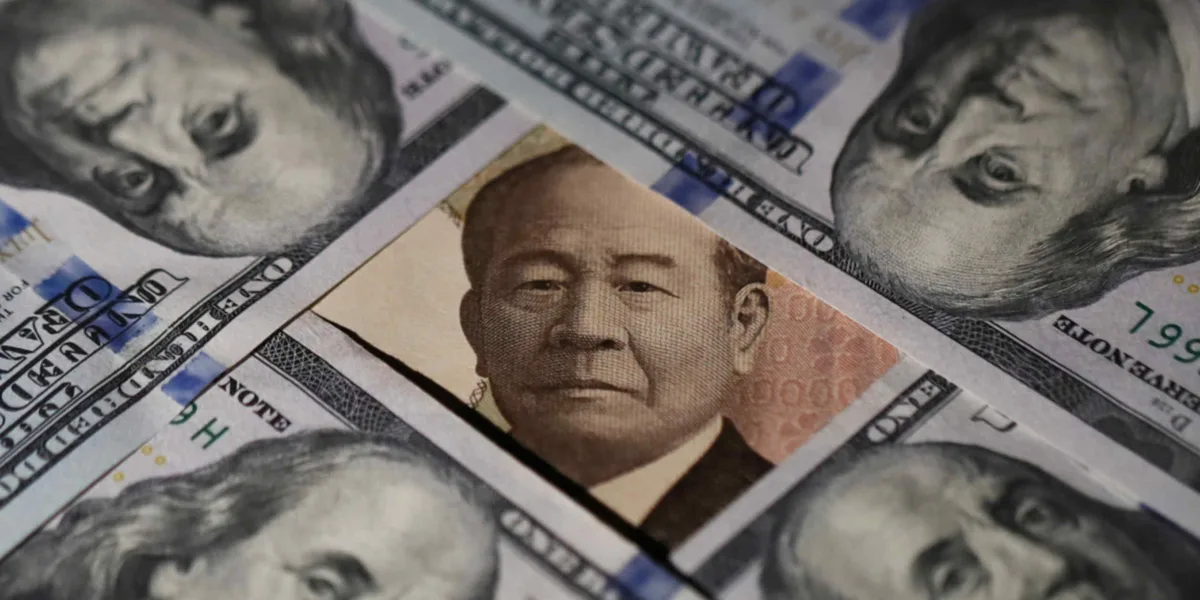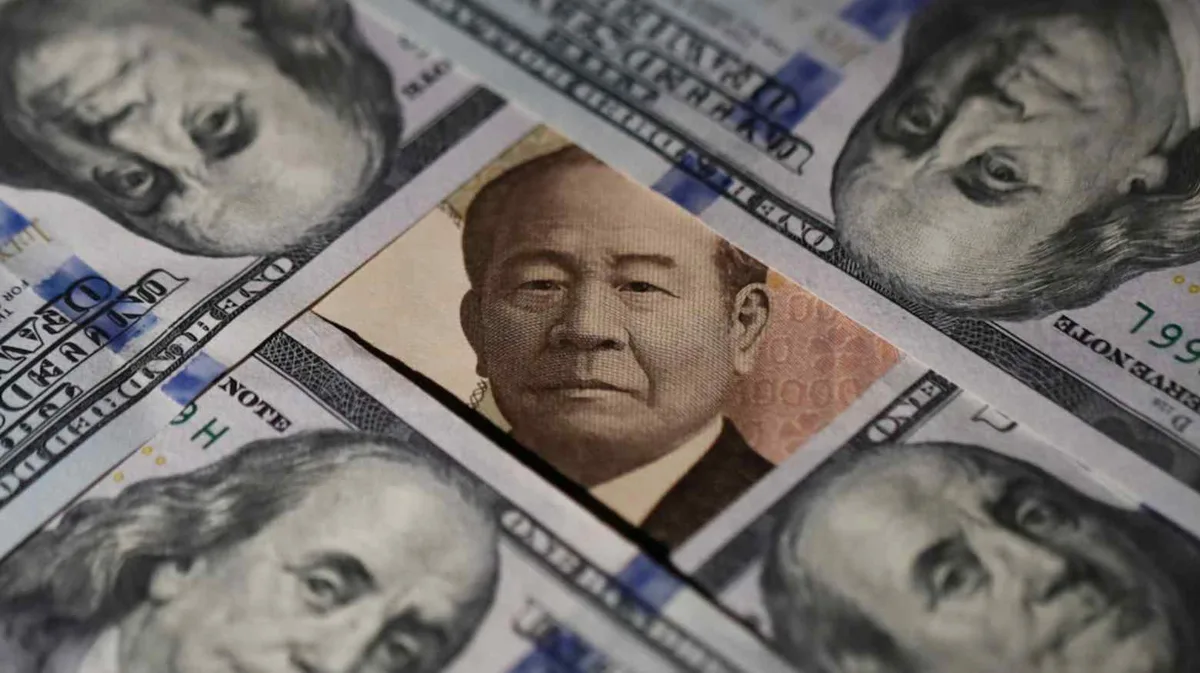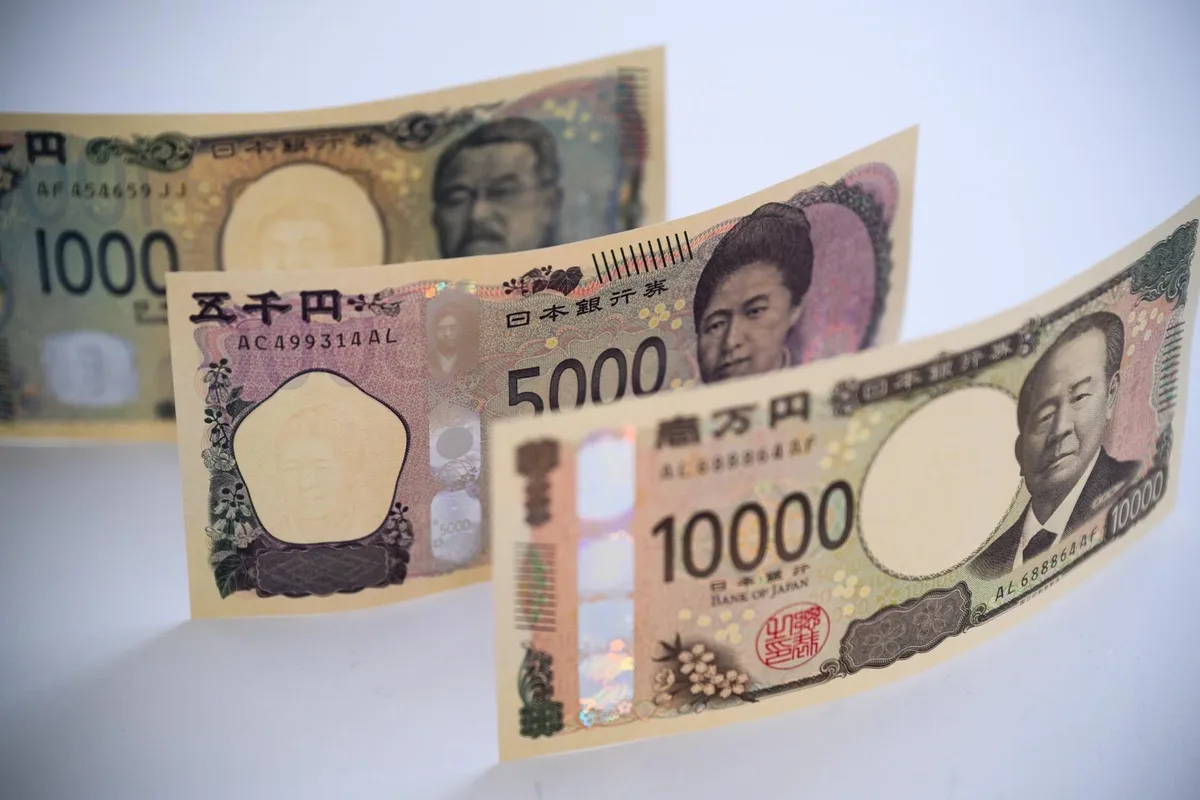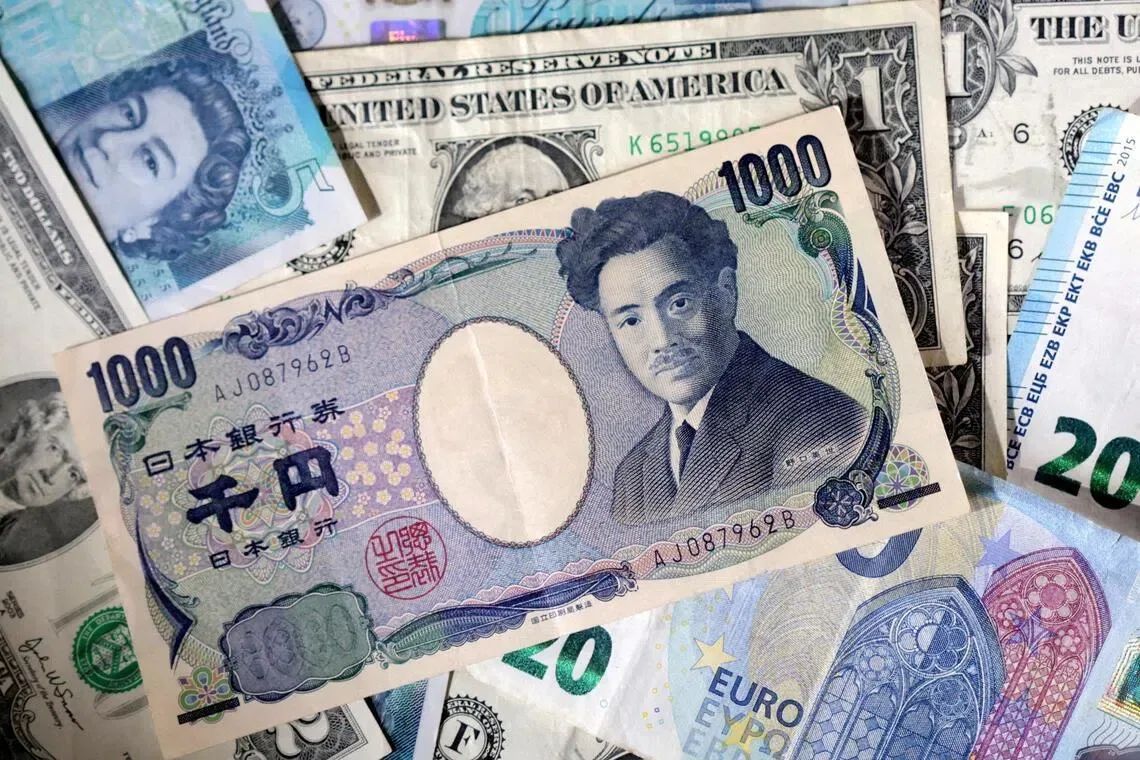
The Japanese yen fell to about 160.79 per US dollar on June 17, marking its weakest level in nearly two years and the lowest since July 2024 [1, 2]. The drop followed the US Federal Reserve’s decision to hold rates steady but signal possible future hikes later in 2026, contributing to broad US dollar strength [3, 1, 2]. Meanwhile, the Bank of Japan raised its policy rate to 1% on June 16, the highest since 1995 [3, 1, 2], but the gap remains large compared to the US Fed’s 3.5-3.75% range [1].
Japan has spent a record 11.7 trillion yen (about S$93.7-93.8 billion) intervening in forex markets from late April to late May to support the yen, but gains were quickly erased amid persistent market pressure [1, 4]. The widening interest rate gap continues to weigh on the currency. Speculative net short positions on yen have risen to the highest levels since July 2024, intensifying bearish sentiment [1].
Japanese government officials signaled strong readiness to act if needed. Chief Cabinet Secretary Minoru Kihara said, "We are ready to respond appropriately to currency moves as needed at any time" and "will take appropriate action as needed at any time" [1, 2]. Finance Minister Satsuki Katayama added, "Authorities are always prepared to take decisive measures" [1].
At the same time, Bank of Japan Deputy Governor Shinichi Uchida noted that while the foreign exchange rate is important, it is not a direct target of BOJ policy [4]. Some market strategists see intervention as increasingly plausible, given dollar strength and yen weakness. Andrew Hazlett of Monex said, "The Fed meeting signalled a hawkish shift in policy. This is driving dollar strength and has put the yen at levels where intervention is absolutely on the table" [4]. Brian Daingerfield of NatWest Markets said, "The markets are and should be on high alert for potential action here from the Japan MOF" [4]. However, others urged caution: Tohru Sasaki of Fukuoka Financial Group argued, "There is absolutely no justification for intervention, and I do not think the finance ministry is in a position to even discuss it" [4].
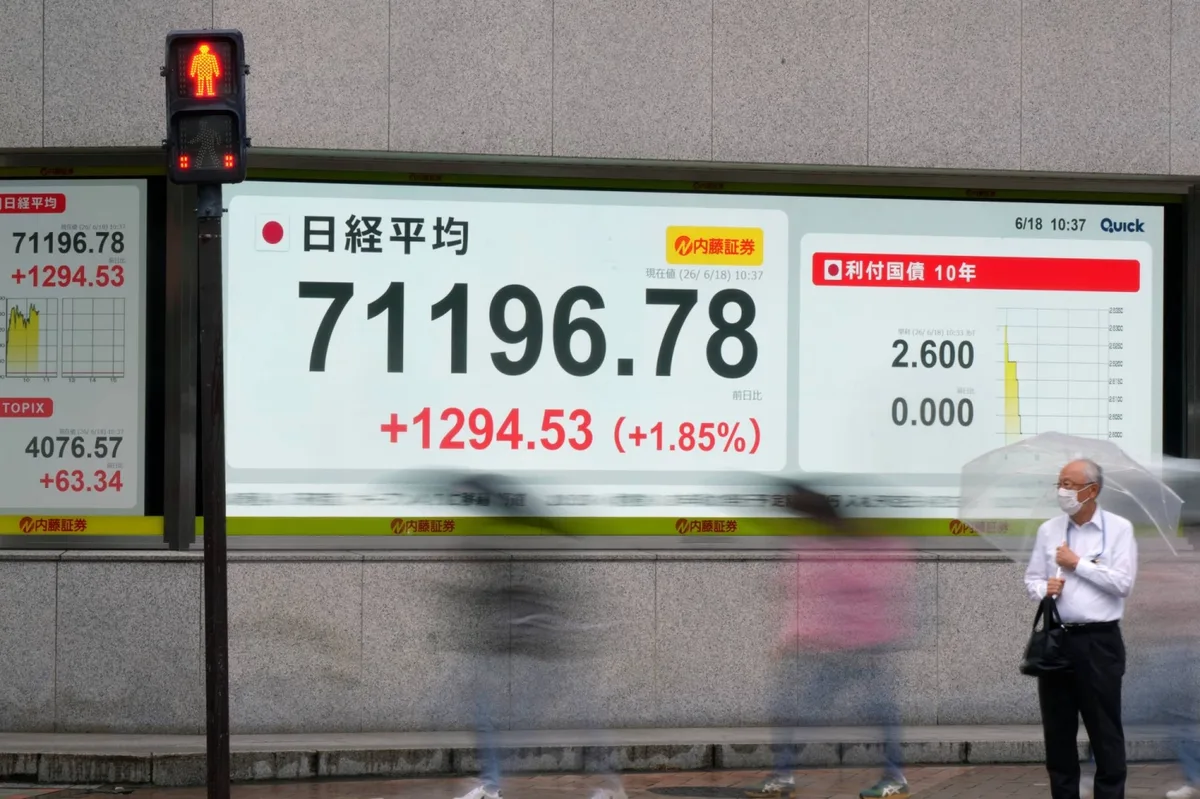
Despite currency struggles, Japan’s stock market hit a record high on June 18. The Nikkei 225 surged to 71,398.58, led by semiconductor-related shares [2].
The government’s official stance remains alert but noncommittal as currency moves continue. Japan’s readiness to intervene could be tested again if the dollar continues to strengthen.