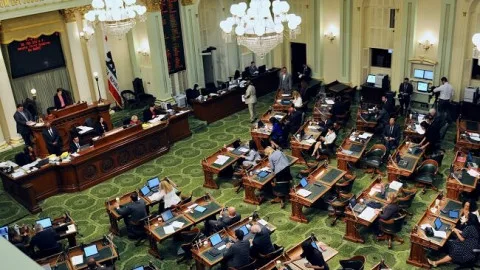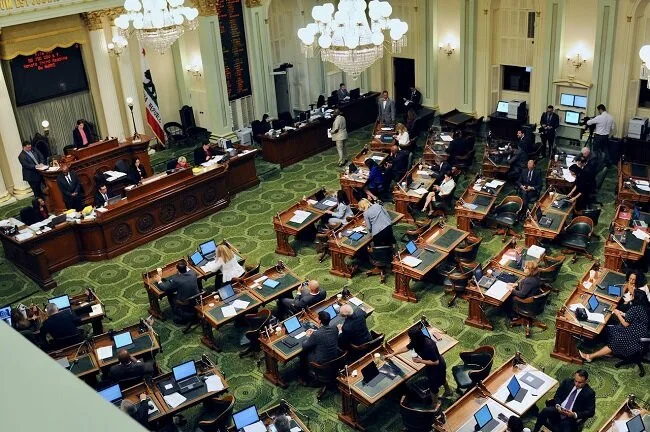
The California State Assembly passed bill AB 1921, called the "Protect Our Games Act," on May 27, 2026, by a vote of 43 to 16 [1, 2, 3, 4, 5, 6, 7, 8]. The bill demands that digital game publishers provide at least 60 days’ notice before terminating online services for server-dependent games [1, 2, 4, 5, 6, 7, 8]. It also requires publishers to maintain access to purchased games after service ends. This can occur through offline modes, community servers, or patches, or failing that, offer refunds to players [1, 2, 3, 4, 5, 6, 8].
The law will only apply to games released or resold digitally on or after January 1, 2027 [1, 2, 3, 7, 8]. Subscription services, free-to-play games, and offline-only games are excluded from the bill’s coverage [1, 7, 8]. Additionally, the bill prohibits sales of games that become unusable because of service termination, aiming to prevent consumers from buying titles that might soon become inaccessible [1].
The bill emerged after growing consumer concern led by the "Stop Killing Games" grassroots movement. The movement started in April 2024 following Ubisoft’s shutdown of its always-online game The Crew, which locked owners out [1, 2, 3, 4, 6]. YouTuber Ross Scott founded the campaign to push for game preservation and consumer protections [1, 3, 4, 6]. Assembly Member Chris Ward said, "The idea came to be from a constituent in San Diego who is tired of seeing their game shut down after recent purchases. So, if you live in California, be sure to contact your state senator and tell them as a gamer or developer why you care and this matters to you" [4]. Ward also urged, "Fight for your consumer protection and full right and enjoyment of these games" [3].
The bill won bipartisan support but faces opposition from the Entertainment Software Association (ESA). The ESA argues, "Assembly Bill 1921 could force developers to spend limited time and resources keeping old systems running instead of creating new games, features, and technology. In the end, this policy doesn't reflect how games actually work today. This bill sets strict rules that could ultimately mean fewer new and innovative experiences for players" [2].
Stop Killing Games organizers encourage Californians and gaming stakeholders to contact State Senators to support the bill during June 2026 committee debates in the California State Senate [3, 4, 5, 6]. If the Senate passes AB 1921, it will proceed to Governor Gavin Newsom for signature [5, 8].
Separately, a similar European Citizens’ initiative for game preservation has gathered over 1.3 million signatures and sparked ongoing discussion across the EU [4, 6]. Stop Killing Games has also launched NGOs in the US and Europe to continue lobbying for such laws [6].
The bill’s provisions will take effect on January 1, 2027, covering digital games released or resold from that date onward [1, 7, 8].