Valve released SteamOS 3.8 on June 16, allowing users to build their own Steam Machines using any desktop PC parts, officially supported by the company [1]. Previous Steam Machines started at a $1,049 minimum price, but the new update offers more flexibility for PC hardware choices [2].
Last week, Valve issued SteamOS 3.8.10, which improved compatibility with recent Intel and AMD platforms, enhancing performance and stability on modern hardware [1]. Currently, SteamOS supports AMD GPUs for desktop installs, but Nvidia GPU support is not yet available. Valve is actively working on Nvidia drivers and has a growing team dedicated to this effort. Valve’s Pierre-Loup Griffais said, "We’re collaborating with Nvidia very closely and have a growing team dedicated to Nvidia drivers, but support won’t likely be available this year" [1, 3].
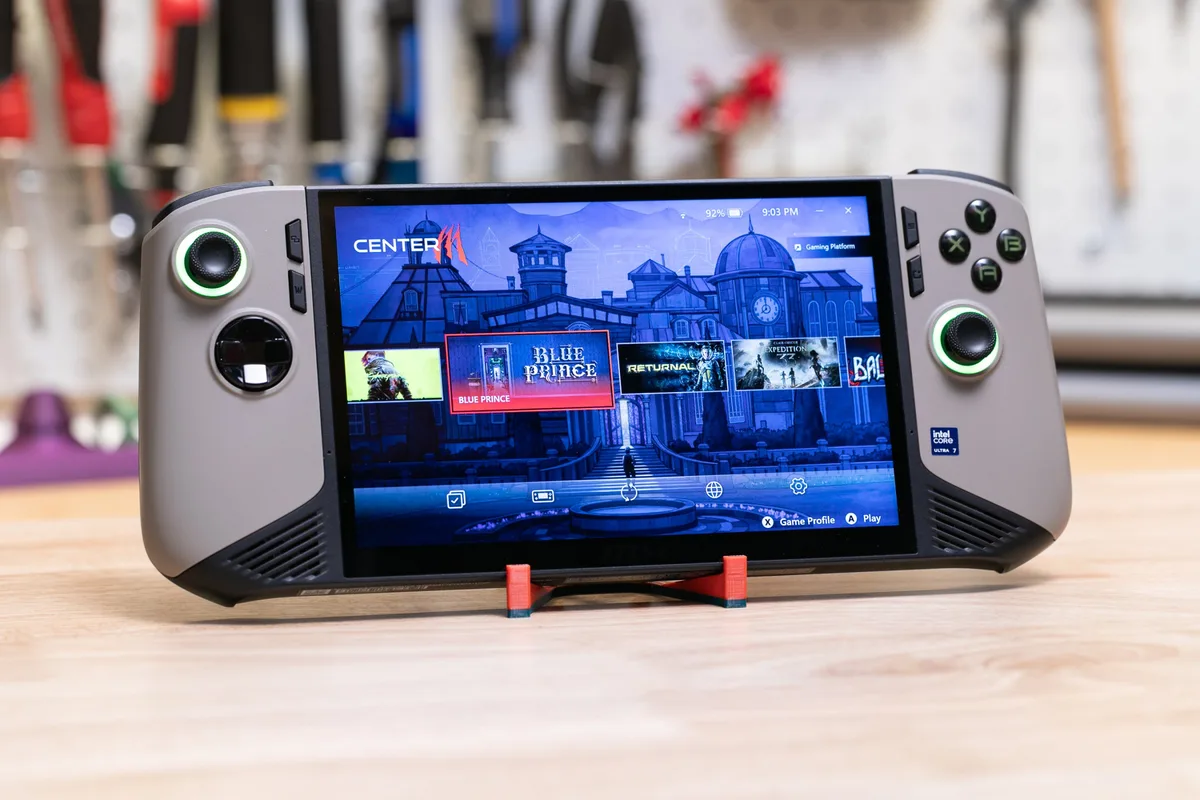
Valve is also collaborating with Intel to improve SteamOS support on Intel GPUs and handheld devices. Intel’s Nick Mijuskovic said, "We’re very aware of the demand on the Linux side… We are working on the Mesa driver, we are working with Valve, and that’s kind of all we can say for now" [3]. There is no timeline yet for broader Intel GPU support.
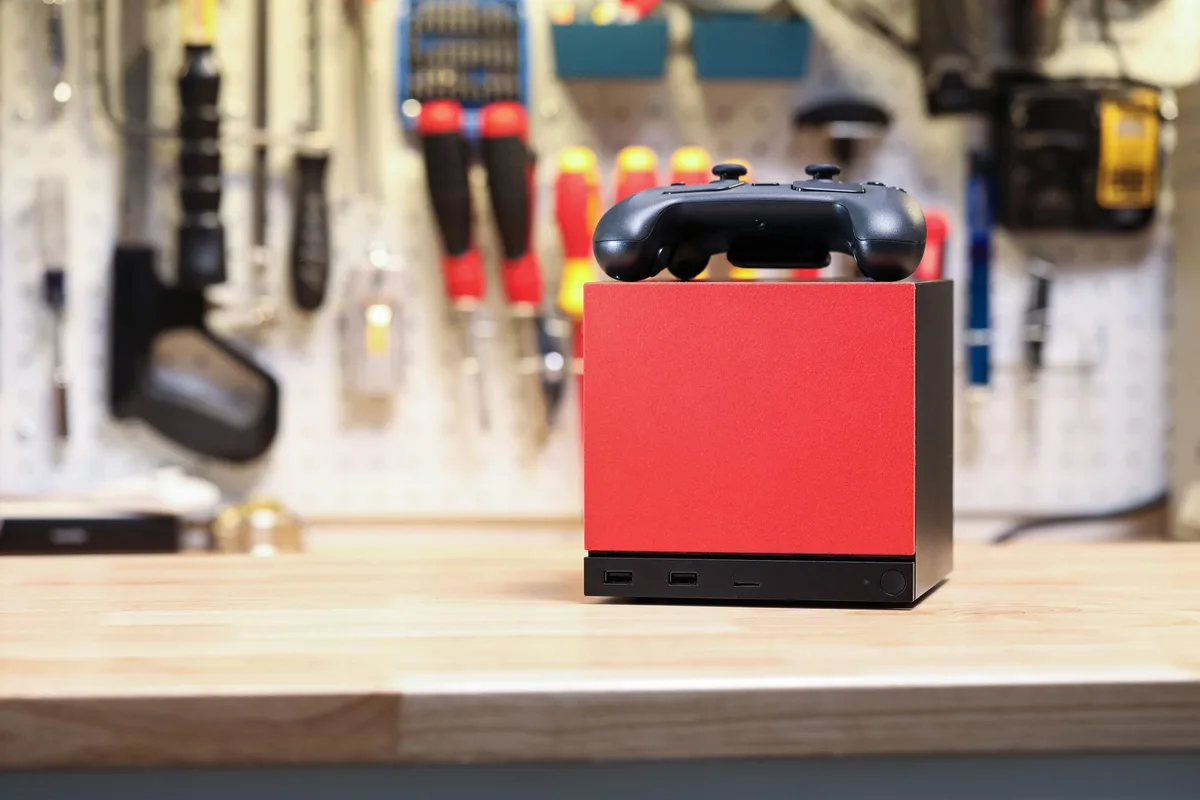
SteamOS currently offers a console-like PC experience similar to a docked Steam Deck or existing Steam Machines, but some features like HDMI-CEC support remain missing [1]. Valve plans future features including possible dual-boot options between SteamOS and Windows, as well as more user-friendly assembly options for Steam Machines [4].
The latest SteamOS release and improved hardware support represent a step toward more customizable Steam gaming PCs. SteamOS 3.8 and updates will continue to roll out as Valve deepens its partnerships with both Nvidia and Intel [1, 3, 4].